
Standing barefoot on cool marble as dawn prayers echoed through ancient walls taught me that witnessing sacred ceremonies requires more than curiosity. It demands respect, openness and genuine desire to understand. Religious festivals worldwide invite travelers into humanity’s deepest spiritual expressions, from Ramadan’s reflective nights to Diwali’s luminous celebrations. Before attending these profound gatherings, understanding cultural context matters immensely. A thorough overview provides essential perspective on approaching sacred spaces with appropriate reverence. These experiences transcend tourism when we arrive with humble hearts ready to learn. Cultural Festivals and Spiritual Celebrations Overview
Understanding Sacred Space as a Traveler
The first time I entered a temple during festival celebrations in India, I made every mistake possible. I wore shoes too long, pointed my feet toward the altar and tried taking photos during prayer. An elderly woman gently corrected me with such kindness that my embarrassment transformed into gratitude. That moment taught me more about respect than any guidebook could.
Sacred ceremonies operate under different rules than secular festivals. You’re entering spaces where people connect with the divine according to traditions spanning centuries or millennia. Your presence as observer carries responsibility to honor rather than disrupt that connection.
Research before you go matters enormously. Each religion and even individual communities within religions maintain specific protocols about dress, behavior and participation. What’s acceptable in one Buddhist temple might offend in another. Knowing these nuances demonstrates respect and opens doors to deeper experiences.
I’ve learned to arrive early and watch how locals behave before acting. Where do they remove shoes? How do they position their bodies? What gestures do they make? This observational learning prevents most cultural missteps and shows community members that you’re genuinely trying to participate appropriately.
Ramadan and Eid: The Month That Transforms Communities
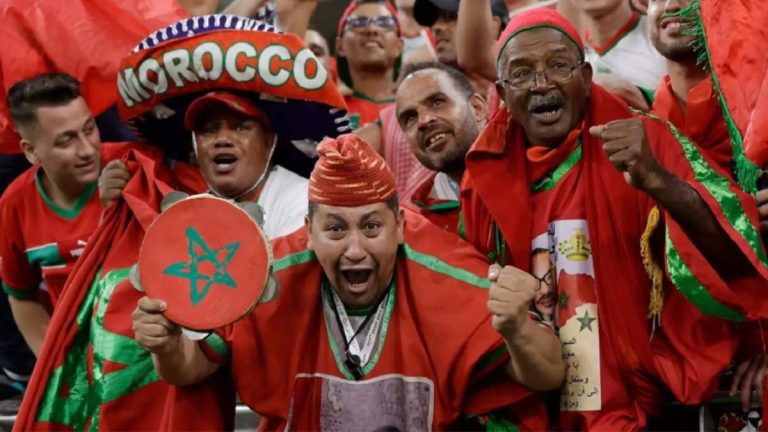
My first Ramadan experience in Morocco revealed layers of spiritual practice I never imagined. The pre-dawn meal happened in darkness, families gathering before the call to prayer signaled fasting’s beginning. Throughout the day, cities took on different rhythms as people navigated hunger, thirst and spiritual reflection simultaneously.
What struck me most was how communal the practice felt despite being deeply personal. Everyone fasted together, creating shared experience that bound neighbors and strangers alike. The streets emptied as sunset approached, then erupted with life as families broke fast with dates and water following centuries-old tradition.
I was invited to join an iftar meal, and the generosity overwhelmed me. Despite not being Muslim, I was welcomed to share food that tasted more delicious than any restaurant meal because it carried meaning beyond flavor. The breaking of fast together created instant intimacy with people I’d just met.
The smell of harira soup and fresh bread filled evening air throughout the month. Markets buzzed with special energy as people shopped for ingredients. Bakeries worked overtime producing traditional sweets. The physical hunger everyone experienced made food’s spiritual and social dimensions more visible.
Eid celebrations that conclude Ramadan feel like entire cities exhaling in unison. New clothes, elaborate meals, gift-giving and prayers mark the festival. Children run through streets in their finest outfits while adults visit relatives and neighbors. The joy feels earned after a month of discipline and reflection.
As a traveler during Ramadan, showing respect means not eating or drinking publicly during fasting hours. Many restaurants close during day but some cater to non-Muslims. The key is discretion and appreciation for the spiritual work happening around you.
Diwali: When Light Defeats Darkness
Diwali in India assaults your senses in the most beautiful way possible. The smell of marigolds and incense mixes with burning oil lamps creating fragrance that clings to your clothes for days. Everywhere you look, rangoli patterns in colored powder decorate doorsteps and courtyards. At night, the fireworks transform cities into war zones of celebration.
I spent Diwali in Varanasi where the Ganges becomes stage for thousands of floating lamps. Watching those small flames drift on the water while prayers rose from the ghats created one of the most moving experiences of my life. The darkness punctuated by individual lights perfectly embodied the festival’s message about good triumphing over evil.
Hindu families prepare for weeks, cleaning homes thoroughly and creating elaborate decorations. The festival honors Lakshmi, goddess of prosperity, so homes must be spotless to welcome her. New clothes are bought, debts are settled and relationships are mended before the celebration begins.
The sweets are legendary and central to celebration. Every family makes or buys boxes of treats to share with neighbors and visitors. I gained five pounds during my first Diwali from the constant offerings of ladoos, barfi and jalebi. Refusing felt rude, so I ate everything offered and learned to appreciate the skill involved in traditional sweet-making.
The noise level during Diwali can shock unprepared visitors. Firecrackers start before dawn and continue past midnight. While environmental concerns about air pollution are valid and increasingly discussed, understanding the cultural significance helps frame the practice. Light and sound symbolize joy’s triumph over despair.
Participating as a visitor means bringing small gifts when invited to homes, trying the sweets offered and joining in the lighting of lamps. Wearing traditional Indian clothing shows respect and usually delights your hosts. Ask permission before photographing private ceremonies but expect public celebrations to be photographed extensively by everyone.
Holy Week: Christianity’s Most Solemn Celebration
Experiencing Semana Santa in Spain taught me that religious festivals can be simultaneously somber and spectacular. The processions through narrow streets featured ornate floats carried by dozens of men moving in synchronized steps. The smell of incense was so thick it created visible clouds around the figures of Christ and Mary.
What moved me most was the silence of enormous crowds. Thousands of people lined streets yet conversations were whispered. When saetas rang out, those spontaneous flamenco prayers sung from balconies, the emotional intensity made my throat tighten. This wasn’t performance but genuine devotional expression.
Different regions celebrate Holy Week distinctly. Seville’s processions are famous for elaborate brotherhood traditions and all-night marches. In Jerusalem, pilgrims walk the Via Dolorosa carrying crosses. Ethiopian Orthodox Christians in Lalibela hold candlelit ceremonies in rock-hewn churches that feel carved from time itself.
I attended Maundy Thursday foot-washing ceremonies in Rome where the humility of the ritual’s message contrasted sharply with the grandeur of the setting. Watching powerful church officials kneel to wash strangers’ feet embodied Christianity’s servant leadership ideal in ways sermons never could.
Good Friday processions in Philippines involve actual crucifixions, participants volunteering to be nailed to crosses. While controversial even among Filipino Catholics, the practice demonstrates faith’s ability to inspire acts that seem incomprehensible to outsiders. Witnessing such devotion challenges assumptions about religious expression.
Easter sunrise services offer particularly powerful experiences. I attended one on a mountaintop where first light broke over valley as choir sang. The symbolism of darkness yielding to day perfectly matched the resurrection message.
Approaching Sacred Ceremonies with Respect
Every religious festival I’ve attended has taught me something about reverence and proper conduct. These principles apply across traditions and cultures.
Dress conservatively beyond your usual standards. Shoulders and knees covered are minimum in most sacred spaces. Women often need head coverings in mosques and some churches. Men might need to wear specific garments or remove hats. When uncertain, overdress rather than risk offense.
Photography requires particular care. Some ceremonies prohibit it entirely while others welcome documentation. Always ask permission before photographing people at prayer. Even when photography is allowed, put the camera down during the most sacred moments. Some experiences should be witnessed rather than recorded.
Silence or whispered conversation maintains appropriate atmosphere. Your voice carries differently in sacred spaces, and loud talking disrupts others’ spiritual experience. Even outside formal services, keep volume low in religious sites.
Participation boundaries vary. Some traditions welcome visitor involvement while others restrict certain actions to adherents. Watch locals and ask respectful questions about what’s appropriate for you. Most communities appreciate genuine interest while maintaining necessary boundaries.
Offerings and donations are appropriate in most religious contexts. Even small contributions help maintain sacred spaces and support community practices. Follow local customs about how and where to give.
Learn key phrases in the local language. Being able to say “peace be upon you” or “blessings” in Arabic, Hindi, Hebrew or other languages opens conversations and demonstrates your effort to engage respectfully.
The Transformation Sacred Ceremonies Offer
Attending religious festivals changes how you understand faith and culture. These experiences reveal spiritual life’s diversity while highlighting universal human needs for meaning, community and transcendence.
You develop humility about your own cultural perspective. Witnessing devotional practices different from anything you grew up with makes clear that no single approach to the divine holds monopoly on truth or validity. This recognition doesn’t require abandoning your own beliefs but does demand acknowledging other paths’ legitimacy.
The festivals demonstrate religion’s communal dimension. Western culture often treats faith as private matter, but most traditions worldwide emphasize collective practice. Seeing entire communities organize around sacred calendar reveals religion’s social binding function.
Sacred ceremonies connect you with continuity. The rituals you witness have been performed for generations, creating living link to ancestors who prayed the same prayers and made the same gestures. This temporal depth offers perspective on contemporary life’s frenetic pace.
You recognize beauty’s spiritual power. Whether it’s Islamic geometric patterns, Hindu deity sculptures, Christian iconography or Buddhist mandalas, religious art serves purposes beyond decoration. These aesthetic expressions facilitate encounters with the sacred for believers and can move even secular visitors.
Many travelers report unexpected emotional responses to sacred ceremonies. You might find yourself crying during prayers in a tradition not your own, moved by the devotion surrounding you even if you don’t share the specific beliefs. These moments reveal our common spiritual capacity regardless of religious affiliation.
If this exploration of sacred ceremonies resonates with you, discovering festival destinations through a comprehensive guide can help you plan journeys that honor both your curiosity and these traditions’ spiritual significance. Essaouira Complete Travel Guide: Events and Spiritual celebrations
What sacred ceremony or religious festival calls to your spirit, and what draws you toward that particular tradition’s celebration?