
Argan oil has become famous internationally as a beauty product but locals in Agadir use culinary-grade argan oil daily for cooking and finishing dishes. The nutty flavor enhances vegetables, fish and traditional amlou spread while delivering nutritional benefits that exceed olive oil in some categories. The trees grow only in southwestern Morocco making this oil genuinely local to Agadir’s region. Learning to cook with argan oil properly means understanding smoke points, flavor profiles and when to use it raw versus heated. This knowledge opens up Agadir’s unique approach to healthy cooking where local ingredients drive culinary traditions that visitors can easily adopt and recreate at home.
Two types of Argan oil
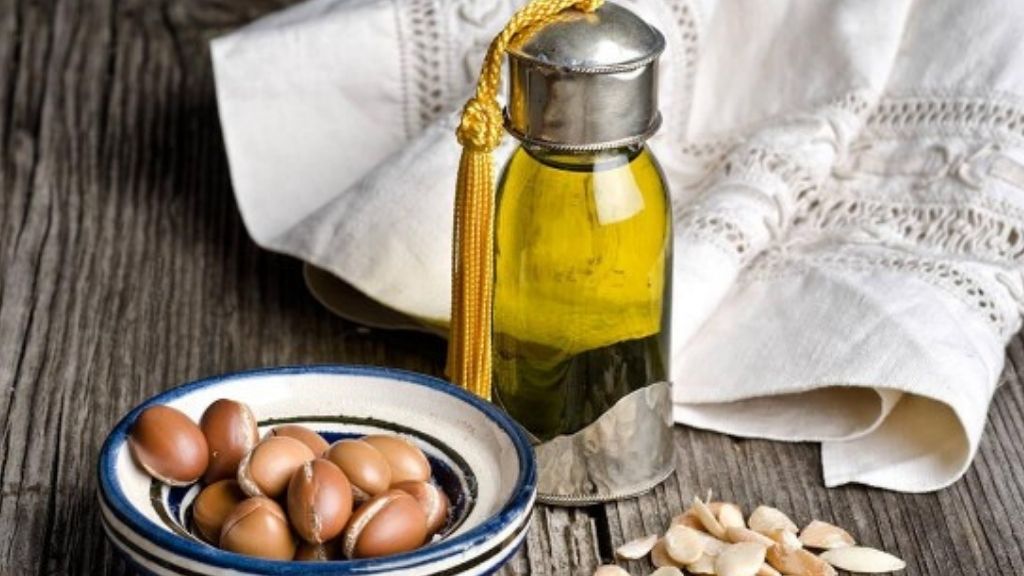
Cosmetic argan oil gets cold-pressed from raw kernels and has a neutral color and mild scent. The beauty industry markets this version for hair and skin care. While edible, it lacks the flavor that makes culinary argan oil special. Using cosmetic argan for cooking wastes money and misses the whole point of this remarkable ingredient.
Culinary argan oil comes from roasted kernels that give it a deep golden color and distinctive nutty aroma. The roasting process develops flavors similar to toasted sesame oil but with unique notes that define Moroccan cooking. This is the version locals use daily and the one you should seek for cooking purposes. The two types aren’t interchangeable despite coming from the same tree.
Some producers make a lightly roasted version that falls between cosmetic and fully roasted culinary oils. This intermediate style works for people who find traditional culinary argan too intense. However, most Moroccan cooks prefer the fully roasted version since its robust flavor stands up to other strong ingredients commonly used in the cuisine.Quality culinary Argan should smell unmistakably nutty when you open the bottle. If it smells neutral or has off odors, the oil is either old, poor quality or potentially adulterated. Trust your nose and buy from reputable sources even if prices run slightly higher. Bad argan oil ruins dishes and wastes your money.
Nutritional profile
Argan oil contains about eighty percent unsaturated fatty acids with the remainder being saturated fat. This ratio compares favorably to olive oil and exceeds most other cooking oils in terms of heart-healthy fat composition. The monounsaturated fats help reduce LDL cholesterol while maintaining HDL levels that protect cardiovascular health.Vitamin E appears in argan oil at concentrations nearly double what olive oil contains. This powerful antioxidant protects cells from oxidative damage and supports immune function. The tocopherol forms of vitamin E in argan oil are particularly bioavailable meaning your body absorbs and uses them efficiently.
Plant sterols in argan oil help block cholesterol absorption in the intestines. These compounds structurally resemble cholesterol and compete for absorption sites, resulting in less dietary cholesterol entering your bloodstream. Regular consumption of plant sterol-rich oils like argan can modestly reduce total cholesterol levels.Polyphenols and other antioxidant compounds give argan oil anti-inflammatory properties similar to olive oil’s. These substances help combat chronic low-grade inflammation linked to heart disease, diabetes and other modern health problems. The specific polyphenol profile differs from olive oil, potentially offering complementary benefits when both oils are included in your diet.The calorie content matches other oils at about 120 calories per tablespoon. Argan oil isn’t a low-calorie ingredient but the nutritional density and satiety it provides mean a little goes far. The flavor intensity also means you need less oil to achieve satisfying taste compared to neutral oils that require larger quantities.
Understanding smoke point
Culinary Argan oil has a smoke point around 420 degrees Fahrenheit, slightly higher than extra virgin olive oil but lower than refined vegetable oils. This temperature tolerance allows for most cooking methods including sautéing and moderate-heat roasting. You can cook with argan oil without destroying its beneficial compounds as long as you avoid extreme temperatures.Deep frying exceeds argan oil’s smoke point and would be an expensive waste of this premium ingredient anyway. Reserve argan for cooking methods that showcase its flavor rather than applications where neutral high-heat oils work better. This isn’t a limitation but rather recognition that different ingredients serve different purposes.The smoke point decreases as oil ages and oxidizes. Fresh argan oil tolerates higher temperatures than bottles that have sat open for months. Store argan in a cool dark place with the cap tightly sealed. Consider transferring it to smaller bottles as you use it so the main supply experiences less air exposure.Watch for smoke while cooking with argan oil. If you see wisps rising from the pan, reduce heat immediately. Once oil starts smoking, it begins breaking down and forming compounds that taste bitter and potentially harm health. Staying below the smoke point preserves both flavor and nutrition.
Raw applications
Drizzling raw Argan oil over finished dishes lets its nutty flavor shine without heat interference. Try it on grilled vegetables, roasted squash or simple grain salads where the oil’s character can stand out. A light hand works best since the flavor is concentrated. Start with a teaspoon and add more if needed.Salad dressings benefit enormously from argan oil’s complexity. Combine it with lemon juice, a touch of honey, minced garlic and salt for a vinaigrette that transforms basic greens. The nutty notes complement bitter lettuces particularly well. Use argan as part of the oil component rather than the entire amount if the flavor seems too strong initially.
Amlou, the traditional Berber breakfast spread, relies entirely on raw argan oil to bind roasted almonds and honey into a creamy paste. The oil’s flavor becomes central to the dish rather than playing a supporting role. Making amlou at home lets you control sweetness and texture while experiencing argan oil in its most traditional culinary application.Finishing soups with a swirl of argan oil adds richness and depth right before serving. The heat of the soup warms the oil slightly, releasing aromatics without cooking it. This technique works especially well with vegetable purees and legume soups that benefit from fatty richness to balance their earthy flavors.Dipping fresh bread in argan oil seasoned with a pinch of salt and cumin makes a simple appetizer or snack that showcases the ingredient beautifully. The bread’s mild flavor provides a neutral canvas for appreciating argan’s distinctive taste. This preparation takes thirty seconds and costs almost nothing while delivering genuine pleasure.
Cooked applications
Sautéing vegetables in argan oil creates dishes with nutty undertones that complement natural vegetable sweetness. Use medium heat and add vegetables once the oil shimmers but before it smokes. Zucchini, eggplant and peppers all work beautifully cooked this way. The vegetables absorb some of the oil’s flavor while maintaining their own character.Tagines traditionally use olive oil but substituting argan creates interesting flavor variations. Add it at the beginning with your aromatics or drizzle it over the finished dish for a double application. The slow cooking temperatures in tagine preparation stay well within argan oil’s tolerance while allowing its flavors to meld with spices and other ingredients.
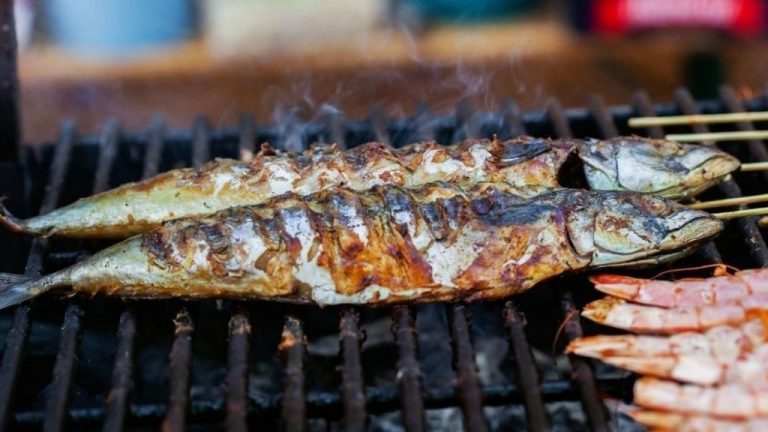
Roasting root vegetables with Argan oil produces caramelized exteriors and creamy interiors with nutty notes throughout. Toss carrots, turnips or sweet potatoes with argan oil, salt and cumin before spreading on a baking sheet. Roast at 400 degrees until tender and browned. The argan oil’s higher smoke point handles this temperature while contributing flavor that neutral oils can’t match.Fish and seafood pair exceptionally well with argan oil’s nutty character. Brush it on fillets before grilling or use it to make herb marinades. The oil’s richness complements lean fish without overwhelming delicate flavors. Sardines grilled with argan oil and cumin become something transcendent despite being the simplest preparation imaginable.Couscous benefits from a drizzle of Argan oil after steaming. The oil coats the grains and prevents clumping while adding flavor dimension that butter or olive oil can’t provide. Fluff the couscous with a fork while adding the oil to distribute it evenly. This technique appears in traditional Berber cooking and produces superior results to adding oil before steaming.
Combining with other ingredients
Cumin and argan oil create one of the classic Moroccan flavor combinations. The earthy warmth of cumin complements argan’s nuttiness perfectly. Toast cumin seeds in a dry pan, grind them and mix with argan oil for a finishing oil that transforms simple vegetables or grains. This pairing appears throughout southwestern Moroccan cooking.Garlic and Argan work together though the garlic should be used subtly since its pungency can overwhelm argan’s more delicate notes. Slice garlic thinly and cook it gently in argan oil until fragrant but not browned. Remove the garlic slices and use the infused oil for dressing salads or finishing dishes. The garlic flavor transfers while the argan character remains intact.Lemon juice brightens argan oil’s richness and creates balanced dressings or marinades. The acidity cuts through the oil’s density while complementing its nutty flavor rather than clashing with it. Use fresh lemon juice rather than bottled versions for best results. The ratio of three parts oil to one part lemon provides a good starting point for most applications.
Honey and Argan combine in Amlou but also work in savory applications where sweet and nutty flavors enhance each other. A drizzle of honey-argan mixture over roasted carrots or squash creates complexity that makes simple vegetables memorable. The combination appears in both traditional Berber cooking and modern fusion dishes.
Fresh herbs like cilantro and parsley pair well with argan oil in sauces and dressings. Chop herbs finely and mix with argan oil, lemon juice and salt for a simple chermoula-style sauce. The herbs’ brightness balances the oil’s richness while the argan amplifies their flavors. This combination works on everything from fish to roasted vegetables.
Buying quality Argan oil
Purchase argan oil from cooperatives when possible since these organizations ensure fair payment to the Berber women who process the nuts by hand. The cooperative model also tends to maintain higher quality standards than individual producers operating without oversight. Many cooperatives welcome visitors who want to observe production processes.Check the harvest date rather than relying solely on expiration dates. Fresh argan oil tastes better and contains higher levels of beneficial compounds than older bottles. Oil from the most recent harvest costs more but delivers superior results. Plan to use it within six months of opening for peak quality.The bottle material matters since light degrades argan oil quickly. Dark glass bottles protect the oil better than clear ones. Avoid argan sold in plastic containers since quality producers wouldn’t use packaging that compromises their product. The bottle itself tells you something about the producer’s standards.
Price serves as a rough quality indicator though not a perfect one. Very cheap argan oil is likely adulterated with cheaper oils or made from lower-grade nuts. Extremely expensive argan might just be taking advantage of tourists. Expect to pay around twelve to fifteen dollars per liter for quality culinary argan oil in Agadir markets.
Tasting before buying helps tremendously if the vendor allows it. Good culinary argan should taste nutty and slightly sweet without any bitterness or rancid notes. The flavor should be pronounced but not harsh. Trust your palate and buy from vendors whose products taste good to you personally.
Storage and shelf life
Store argan oil in a cool dark place away from heat sources. Kitchen cabinets work fine as long as they’re not near the stove. Avoid storing argan oil on countertops where light and heat exposure accelerate degradation. The bottle should stay tightly capped between uses to minimize oxygen contact.Refrigeration extends argan oil’s shelf life by slowing oxidation. The oil will cloud and thicken when cold but returns to normal at room temperature. If you buy a large bottle, consider keeping most of it refrigerated while maintaining a small amount at room temperature for daily use.Unopened bottles last about two years from the production date. Once opened, use argan oil within six months for best quality. The beneficial compounds and flavors degrade gradually even with proper storage. Mark the opening date on the bottle so you can track how long it’s been available.Rancid Argan oil smells and tastes unpleasant with harsh or bitter notes. If your oil develops off flavors or aromas, discard it rather than trying to use it anyway. Rancid oils contain oxidized fats that may be harmful and definitely ruin any dish they touch. Quality degradation happens gradually so trust your senses.
Buying smaller bottles means using the oil while it’s freshest even if the per-ounce cost runs higher. A 250-milliliter bottle lasts a single person about six weeks with regular use. This approach ensures you’re always working with peak-quality oil rather than trying to finish a large bottle before it goes bad.
Common mistakes
Using argan oil for high-heat cooking like stir-frying or searing wastes its qualities and potentially creates off flavors. The smoke point allows moderate cooking but not the extreme temperatures these techniques require. Save argan for applications where its flavor contributes rather than gets destroyed or overpowered.Adding too much Argan oil overwhelms dishes with its distinctive taste. Start with small amounts and build up if needed. A little argan goes far due to its intensity. Dishes should taste enhanced by the oil rather than dominated by it. This restraint applies to both raw and cooked applications.Mixing Argan with strongly flavored ingredients like aged balsamic vinegar or pungent cheeses creates confused flavor profiles where nothing shines. Argan works best with ingredients that complement rather than compete with its nutty character. Think Mediterranean and Moroccan flavor combinations rather than grabbing random items from your pantry.Buying cosmetic argan oil for cooking represents both a waste of money and a missed opportunity to experience the real thing. The two products serve different purposes and substituting one for the other produces disappointing results. Make sure you’re buying culinary argan specifically if you want to cook with it.
Storing argan oil carelessly near heat or light degrades it rapidly. The effort and expense of buying quality argan deserves proper storage that preserves its qualities. Treat it like a premium ingredient rather than leaving it on the counter next to your stove where heat cycles destroy it.
Health benefits in practice
Including argan oil in your regular cooking rotation provides cardiovascular benefits without requiring supplements or major dietary changes. The monounsaturated fats and plant sterols work gradually to improve cholesterol profiles. This preventive approach to heart health costs less than medications and comes with the bonus of making your food taste better.The anti-inflammatory properties help manage chronic conditions though argan oil isn’t a substitute for medical treatment. Regular consumption might reduce joint pain, improve skin health and support immune function. These effects accumulate slowly over months rather than producing immediate dramatic changes.The vitamin E content supports skin health from the inside while many people use argan oil topically as well. The combination of internal and external use maximizes benefits. Eating foods cooked in argan oil while using cosmetic argan on your skin creates synergistic effects that enhance overall results.The satiety that healthy fats provide helps with weight management despite argan oil’s calorie density. Meals containing argan oil keep you satisfied longer than low-fat alternatives. This sustained fullness prevents snacking and overeating that undermine health goals. The key is using argan intentionally rather than adding it on top of already fat-heavy meals.
Cultural significance
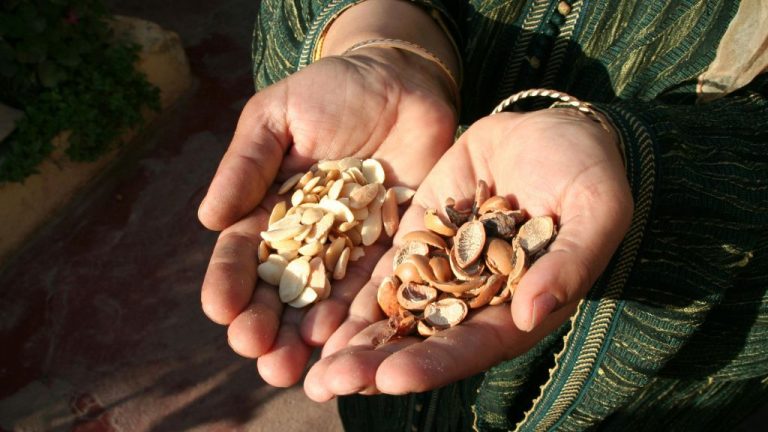
Argan oil production provides income for thousands of Berber women through cooperatives that pay fair wages and maintain traditional processing methods. Buying argan oil supports these communities economically and helps preserve cultural practices that might otherwise disappear as younger generations seek different work.
The Argan tree ecosystem supports unique biodiversity found nowhere else on earth. UNESCO designated the argan forest region as a biosphere reserve recognizing its ecological importance. Your purchases contribute to conservation efforts since economic value incentivizes protecting the trees rather than clearing them for development.Traditional knowledge around Argan production gets passed from mothers to daughters through hands-on learning. The cooperatives help maintain these intergenerational connections while also providing literacy programs and other educational opportunities for women. Supporting argan cooperatives means supporting women’s empowerment in rural Morocco.The Argan tree’s adaptation to harsh semi-arid conditions makes it increasingly relevant as climate change affects agricultural regions globally. Research into argan cultivation techniques might inform efforts to develop crops for other areas facing similar environmental challenges. The tree’s resilience offers lessons beyond just producing oil.
For visitors wanting to understand how Argan oil fits into daily Agadir cooking beyond theory, exploring traditional Berber breakfast preparations centered on Amlou reveals the most authentic application of this ingredient where generations of accumulated wisdom about nutrition and flavor combine in the simplest possible dish that sustained mountain communities through centuries of challenging conditions.