
Agadir doesn’t announce itself the way Marrakech does with its overwhelming medina and relentless energy. This Atlantic coastal city operates at a different pace, shaped more by ocean rhythms and beach culture than by ancient souks and imperial history. The 1960 earthquake that destroyed much of the old city created something unusual in Morocco: a modern town built with wide boulevards, contemporary buildings and a distinctly relaxed atmosphere that feels more Mediterranean than traditionally Moroccan.This coastal character defines Agadir’s food culture in ways that set it apart from inland cities. The daily fish market brings in catches so fresh they were swimming hours earlier. The surrounding Souss Valley produces vegetables and fruits that reach tables the same day they’re harvested. Argan trees that grow only in this region provide oil that appears in countless dishes. The Berber communities maintaining agricultural traditions in nearby mountains influence local eating patterns with their emphasis on simple preparations and quality ingredients.
California travelers often find Agadir surprisingly familiar despite being five thousand miles from home. The beach culture, outdoor lifestyle and health-conscious dining options create parallels to coastal California that other Moroccan cities lack. Surf breaks attract international wave riders who’ve discovered the consistent swells and uncrowded lineups. The moderate year-round climate allows outdoor activities daily without the extreme heat that makes summer miserable in Marrakech or the mountain cold that grips the Atlas in winter.The food scene reflects this coastal lifestyle with an emphasis on fresh seafood, light preparations and ingredients that support active living. You’ll find wellness bowls, fresh juices and vegetarian options alongside traditional Moroccan dishes. The restaurants source from local farms and fishing boats creating short supply chains that preserve nutrition and flavor. The prices remain accessible enough for daily healthy eating rather than positioning it as luxury reserved for special occasions.What makes Agadir’s food culture particularly valuable for wellness-minded travelers is how it integrates nutrition with pleasure rather than treating them as competing goals. The grilled fish tastes incredible while delivering omega-3s and lean protein. The vegetable tagines satisfy completely while loading you up with fiber and phytonutrients. The traditional amlou breakfast spread provides sustained energy from whole food ingredients that cost pennies compared to California’s premium protein products.
This guide explores Agadir’s food culture from multiple angles, examining the markets where ingredients are sourced, the traditional preparations that maximize nutrition, the restaurants implementing these principles and the specific foods that define the region. The goal isn’t just telling you where to eat but helping you understand the philosophy underlying Agadir’s approach to food so you can apply these lessons whether you’re visiting for a week or just seeking inspiration for healthier eating at home.The Atlantic Ocean shapes everything here from the fish on your plate to the afternoon breeze cooling the beachfront promenade. Understanding this coastal influence helps you appreciate why Agadir’s food culture developed differently from other Moroccan cities and why it offers particular appeal to California visitors accustomed to similar coastal living. The connection between place and food runs deep here, creating eating experiences that nourish both body and understanding of how environment shapes cuisine.
Atlantic catch: Daily seafood markets and Omega-3 wellness
The fishing boats return to Agadir’s port before most people wake up, their holds filled with the night’s catch from Atlantic waters stretching west toward the Americas. By six in the morning the fish market buzzes with activity as vendors arrange sardines, sea bass, sole and prawns on ice-covered tables. Restaurant chefs arrive early to claim the best specimens while locals wait for prices to drop slightly as morning progresses.This daily rhythm of catching, selling and cooking fish within hours creates nutrition that longer supply chains can’t replicate. The omega-3 fatty acids that make fish so valuable for health begin degrading as soon as fish dies. The time between ocean and plate directly affects how much of these beneficial compounds remain in your meal. Agadir’s direct connection between fishermen and consumers preserves nutrition that gets lost when fish travels for days through distribution networks.The market itself functions as education in seafood quality if you pay attention. Watch how chefs examine fish, checking eyes for clarity and pressing flesh to test firmness. Notice which vendors they return to repeatedly and which stalls they skip. These professionals know quality through years of daily purchasing and their behavior teaches you what to look for when making your own selections.Sardines dominate the catches most of the year since Atlantic waters off Agadir support huge populations of these small oily fish. Moroccans prize sardines for their rich flavor and understanding of their nutritional value even if they don’t use terms like omega-3 or EPA. The traditional knowledge that sardines provide strength and energy aligns perfectly with modern nutritional science about fatty fish benefits.
The variety available at the market changes based on season, weather and where boats chose to fish. This natural variability means eating seasonally happens automatically rather than requiring conscious effort. When sea bass appears abundantly the price drops and everyone eats sea bass. When sardines school heavily near shore they become the affordable option. This flexibility creates dietary diversity while respecting natural cycles that industrial food systems try to override.Learning to select and prepare fresh fish transforms how you think about seafood. The difference between fish caught yesterday and fish that’s been frozen for weeks becomes obvious once you experience truly fresh specimens. The flavor intensity, the texture, even the way it cooks all exceed what most Americans consider normal for fish. This revelation often changes people’s relationship with seafood permanently.The health benefits extend beyond just omega-3 content though those anti-inflammatory fats deserve their reputation. Fresh fish provides highly bioavailable protein, minerals like selenium and iodine, and B vitamins in ratios that support overall wellness. The combination of nutrients in their natural food matrix gets absorbed and utilized better than isolated supplements trying to replicate fish benefits.The affordability makes regular fish consumption realistic rather than an occasional treat. A kilo of sardines costs about three dollars while larger fish like sea bass run maybe twelve dollars for a two-pound specimen. These prices allow fish to appear on tables multiple times per week without straining normal budgets. The accessibility democratizes good nutrition in ways California pricing structures prevent.
The market’s direct sales model keeps money in fishing communities and ensures freshness through rapid turnover. No warehouses, no refrigerated trucks, no week-long journeys from ocean to consumer. The simplicity of this system produces better outcomes than more complex supply chains despite or perhaps because of its straightforward structure. Sometimes the most effective solutions are the simplest ones.For detailed exploration of how to navigate the fish market, select quality seafood and understand the nutritional benefits of different species, the complete guide to Agadir’s seafood markets and their health benefits provides practical information about shopping, cooking and incorporating these Atlantic treasures into your regular eating patterns for maximum wellness impact.
Souk El Had guide: Shopping Morocco’s mega farmers market
The sheer scale of Souk El Had overwhelms first-time visitors who expect something resembling California farmers markets. This covered market operates almost daily with six thousand vendors selling everything from vegetables picked that morning to traditional spices and handmade crafts. The place stretches so far you can’t see from one end to the other. Multiple entrances serve different sections and finding your way back to where you started requires either good spatial memory or willingness to wander until landmarks become recognizable.This isn’t a weekend market where urban dwellers pretend to be farmers for a morning. Souk El Had functions as primary food source for much of Agadir’s half million residents. Locals shop here multiple times per week because daily access to fresh ingredients drives Moroccan cooking culture. The market replaced an older souk after fire destroyed the previous version in the 1990s. The current concrete and metal construction reduces fire risk while maintaining the essential character of Moroccan market life.The produce section near the main entrance sees heaviest traffic since fresh vegetables and fruits form the foundation of local diets. Vendors arrange similar items together creating zones where all the tomato sellers cluster in one area while leafy greens occupy another. This organization lets you compare prices and quality easily without walking the entire market. The competition between adjacent vendors keeps prices honest and quality high.Walking deeper reveals sections for olives, dried fruits, nuts and legumes sold by weight from large bins. The quality varies significantly between vendors so careful examination matters before purchasing. Most vendors happily provide samples of olives since varieties differ dramatically in saltiness and flavor. This tasting culture encourages informed purchasing rather than blind buying based on appearance alone.The spice corridor assaults your senses with pyramids of colorful powders and the aromatic intensity of cumin, paprika, saffron and countless blends. Dozens of vendors compete for attention in this section where the sensory overload might overwhelm those with sensitive noses. The vendors will explain their products and suggest combinations if you engage them respectfully rather than just photographing and moving on.
Fresh herbs get their own area with bundles of cilantro, parsley and mint displayed in water-filled containers. The herbs were picked that morning from nearby farms and stay remarkably fresh despite the heat. Buying herbs here costs pennies compared to the small plastic packages that American supermarkets charge premium prices for. A huge bunch that would last a week might run fifty cents.The seasonal availability creates natural eating patterns that follow agricultural cycles rather than fighting them. Spring brings tender fava beans and the first strawberries that locals eagerly await after winter. Summer explodes with tomatoes and peppers when supply peaks and prices drop to nearly nothing. Fall delivers pomegranates from the Souss Valley in quantities that make them almost free. Winter features citrus from nearby groves picked ripe rather than green for shipping.The pricing structure operates differently than tourist souks where aggressive bargaining is expected. Produce vendors post prices per kilo and most transactions happen at these rates with minimal negotiation. Attempting to haggle over small purchases marks you as difficult and vendors might quote higher prices next time. Volume purchases justify negotiation where buying five kilos of something opens conversation about discount.The market’s permanent structure allows vendors to establish real businesses with regular inventory and loyal customers. These relationships deepen beyond transactional because people return to the same vendors for years or decades. The trust built through repeated interactions creates informal quality control where vendors maintain standards to preserve their reputation with regular customers.The daily shopping rhythm shapes how locals approach cooking and meal planning. You don’t buy groceries for a week because you don’t know what will be available tomorrow. You adapt to what the land provides which is exactly how seasonal eating originally worked before supermarkets made everything available always. This flexibility reconnects people to natural cycles that modern urban life obscures.The cultural mixing at Souk El Had creates energy that homogeneous California farmers markets lack. Berber farmers from mountain villages, Arab traders, European expats and Sub-Saharan merchants all shop and sell here. The diversity happens naturally through commerce rather than being programmed through diversity initiatives. The food becomes common ground where different backgrounds meet and interact.The practical infrastructure supporting zero waste operations without formal programs or regulations deserves notice. Vendors don’t use plastic bags because they never became standard. You bring baskets or cloth bags and vendors fill them directly. Bread comes unwrapped from communal ovens. Cheese gets cut to order and wrapped in paper. The default is package-free rather than requiring extra steps to avoid packaging.The prepared food sections remain minimal compared to American farmers markets where food trucks generate significant revenue. Souk El Had assumes you’ll cook at home rather than eating immediately. This reflects cultural differences around convenience and time allocation. The lack of ready-to-eat options might frustrate some visitors but it reinforces the market’s function as ingredient source rather than meal provider.
Understanding Souk El Had’s role in Agadir’s food system helps you appreciate how daily markets enable the fresh eating that characterizes coastal Moroccan cuisine. The infrastructure exists to support this approach rather than working against it like American systems that favor weekly shopping at supermarkets. The cultural and physical framework makes healthy eating easier by default.For comprehensive guidance on navigating Souk El Had, selecting quality produce, negotiating respectfully and incorporating this shopping approach into your routine, the complete Souk El Had shopping guide provides practical strategies for maximizing this resource whether you’re visiting for days or staying longer and want to shop like locals rather than tourists passing through.
Argan oil in Agadir cuisine: Cooking with liquid gold
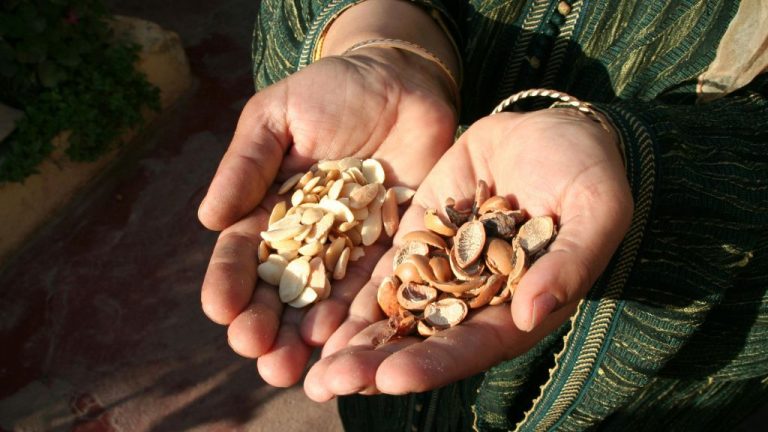
The argan tree grows only in southwestern Morocco making this region the sole source of genuine argan oil worldwide. The Souss Valley surrounding Agadir contains the densest concentrations of these trees which have adapted to semi-arid conditions through deep root systems and remarkable resilience. UNESCO designated the argan forest as a biosphere reserve recognizing its ecological importance and the unique products it generates.International markets know Argan primarily as beauty product sold in small bottles at premium prices. This cosmetic focus obscures argan’s culinary uses that locals have practiced for centuries. Culinary argan oil made from roasted kernels has distinctive nutty flavor and nutritional profile that rivals or exceeds olive oil in certain categories. The roasting process creates completely different product than the neutral cosmetic oil pressed from raw kernels.The traditional production involves Berber women hand-cracking argan nuts to extract the kernels inside. This labor-intensive work provides income for cooperatives throughout the region. The women roast kernels in clay pots over fire then grind them by hand before pressing to extract oil. Modern production uses mechanical presses but maintains the roasting step that defines culinary argan’s character.The oil’s composition includes about eighty percent unsaturated fatty acids with vitamin E concentrations nearly double what olive oil contains. Plant sterols help block cholesterol absorption while polyphenols provide anti-inflammatory benefits. The specific compounds in argan oil differ from olive oil potentially offering complementary advantages when both oils appear in your diet regularly.Cooking with argan requires understanding its smoke point around 420 degrees which allows sautéing and moderate roasting but not deep frying. The temperature tolerance means you can cook with argan without destroying beneficial compounds as long as you avoid extreme heat. The smoke point actually exceeds extra virgin olive oil making argan suitable for most cooking applications.The flavor intensity means a little argan goes far. Using it like neutral vegetable oil wastes its qualities and overwhelms dishes. Better to use argan strategically where its nutty character enhances rather than dominates. Drizzling raw argan over finished dishes showcases its flavor beautifully. Sautéing vegetables in moderate amounts allows the nutty notes to permeate without becoming overpowering.Traditional uses include amlou, the breakfast spread combining roasted almonds, argan oil and honey. The oil binds ingredients while contributing essential flavor. Amlou represents argan in its most concentrated culinary application where the oil’s character defines the entire dish. Beyond amlou, argan appears in salad dressings, vegetable preparations and as finishing oil for soups and tagines.The pairing with cumin creates classic Moroccan flavor combination that appears throughout southwestern cooking. The earthy warmth of cumin complements argan’s nuttiness perfectly. Toasted cumin seeds ground fresh and mixed with argan oil make finishing oil that transforms simple vegetables or grains. This combination shows how traditional flavor pairings evolved through centuries of experimentation.Quality varies enormously between producers with adulteration remaining common problem. Good culinary argan should smell unmistakably nutty when opened. Neutral or off odors indicate old oil, poor quality or potential mixing with cheaper oils. Buying from reputable cooperatives ensures authenticity while supporting the women who produce it through traditional methods.The cost reflects the labor-intensive production and limited growing region. Quality culinary argan runs about twelve to fifteen dollars per liter in Agadir markets. Import prices in California reach forty to sixty dollars for the same quantity. Even at local Moroccan pricing, argan costs more than olive oil but the concentrated flavor and nutritional density justify the premium for regular users.Storage in cool dark places with tight caps extends shelf life by slowing oxidation. Refrigeration works well for long-term storage though the oil clouds when cold and needs to return to room temperature before use. Fresh argan tastes better and contains higher beneficial compound levels than old bottles so buying smaller quantities more frequently makes sense.The cultural significance extends beyond just food. Argan production provides livelihoods for thousands of rural women through cooperatives that pay fair wages and maintain traditional knowledge. The economic value incentivizes protecting argan forests rather than clearing them for development. Your purchases contribute to conservation efforts by making the trees worth more standing than cut down.
For detailed exploration of how to select quality Argan oil, cooking techniques that maximize its benefits and traditional recipes that showcase this ingredient, the complete guide to cooking with argan oil in Agadir provides practical knowledge about incorporating this remarkable oil into your regular cooking whether you’re in Morocco or recreating these flavors at home after your visit.
Grilled fish Agadir-style: Simple coastal cooking
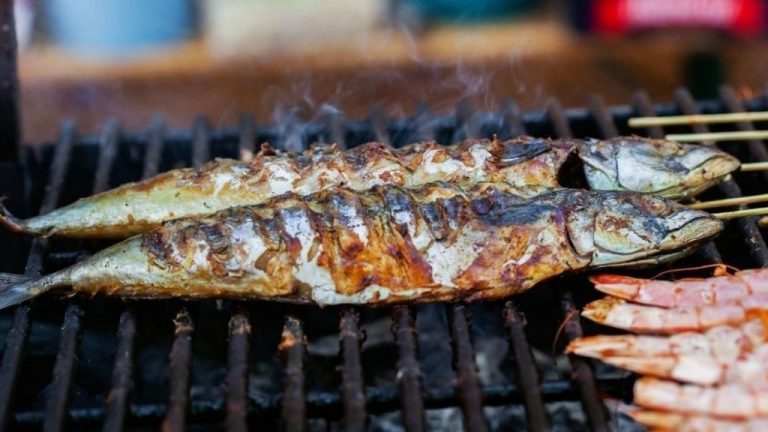
The evening beach scene in Agadir centers around charcoal grills where vendors cook fresh fish over glowing coals. The smell of sardines, sea bass and prawns seasoned with chermoula fills the air as locals and travelers gather at simple stands with plastic chairs and tables. This casual dining represents coastal Moroccan cooking at its purest, focusing entirely on ingredient quality and straightforward preparation that enhances rather than masks natural flavors.The philosophy behind this approach emerged from practical necessity rather than culinary theory. Fishermen returning from sea wanted to eat their catch immediately using whatever resources were available on the beach. Charcoal fires, simple herb marinades and direct high heat produced excellent results without requiring kitchens or elaborate equipment. This methodology persists because it works and because attempting to improve on it usually makes things worse.Chermoula marinade defines Agadir’s fish grilling tradition. The green sauce combines fresh cilantro, parsley, garlic, cumin and lemon juice into a paste that transforms fish without overwhelming its inherent character. The herbs should dominate with spices and garlic supporting rather than competing. Getting the balance right takes practice but the formula proves forgiving and adapts to personal preferences.The technique respects fish rather than trying to turn it into something else. Fresh sardines taste like sardines, sea bass like sea bass. The preparations enhance these natural flavors instead of disguising them under heavy sauces or complicated spice blends. This honesty about ingredients defines coastal cooking and explains why simple preparations here often surpass elaborate restaurant dishes made with inferior seafood.Charcoal produces intense heat that sears fish surfaces quickly while interiors cook through. The slight smokiness adds flavor dimension that gas grills can approximate but never fully replicate. Natural lump charcoal burns hotter and cleaner than briquettes which contain binders and fillers that can impart off flavors. The extra dollar per bag for quality charcoal justifies itself in superior taste.Timing matters enormously since the window between perfectly cooked and overdone measures in seconds rather than minutes. Sardines need about three minutes per side over high heat. Medium fish like red mullet require eight to ten minutes total. Larger specimens such as sea bass take twelve to fifteen minutes depending on size. These times assume hot coals and fish at room temperature rather than straight from refrigeration.The fish is ready when flesh at the thickest part turns opaque and flakes easily with gentle fork pressure. Internal temperature should reach 145 degrees for food safety though fish cooked to this point sometimes seems slightly overdone to those preferring moister results. Finding your personal preference requires experimentation but erring toward slight undercooking beats the alternative of dry overcooked fish.Whole fish benefits from cavity stuffing with lemon slices, garlic and fresh herbs before grilling. These aromatics perfume the flesh from inside while protecting it from direct heat. The skin acts as natural barrier preventing exterior from drying before interior finishes cooking. Score both sides in a few places to help heat penetrate thick areas near the backbone and create attractive presentation.Fillets cook faster than whole fish and demand careful attention to prevent overcooking. Leaving skin on protects the flesh and adds flavor when crisped properly. Start skin-side down and leave it there for about three-quarters of total cooking time. The skin crisps beautifully when cooked correctly and releases naturally from grill grates when ready to flip.The accompaniments stay minimal because the fish deserves focus. Lemon wedges and fresh bread for soaking up juices are often sufficient. A simple salad of tomatoes, onions and herbs adds vegetables without competing. The restraint keeps attention on the seafood rather than burying it under sides that would distract from the main event.Harissa appears at many grills for those wanting heat. The spicy Moroccan chili paste mixed into extra chermoula creates variations with kick. Not strictly traditional but commonly seen and delicious for people who enjoy spice. Let diners add their own rather than making everything spicy by default since tolerance varies.The beachside setting enhances the experience beyond just food quality. Eating grilled fish with sand between your toes while waves break nearby and the sun sets over the Atlantic creates complete sensory experience that fancy restaurants can’t replicate. The casualness reduces stress around dining and encourages lingering over meals rather than rushing through them.The prices make this dining style accessible for daily consumption rather than special occasions. A complete fish dinner with salad and bread costs eight to twelve dollars at beachside stands. Restaurant versions might run fifteen to twenty dollars but still remain affordable compared to California seafood pricing. The financial accessibility means you can eat well throughout your visit without budget stress.Common mistakes ruin fish faster than any other errors. Overcooking happens most frequently since the narrow window between perfect and dry exists in seconds. Dirty grill grates cause sticking that tears flesh and ruins presentation. Flipping fish too early before it releases naturally creates similar problems. Choosing delicate species unsuited for grilling sets you up for frustration before you even light the fire.The equipment requirements stay minimal. A good charcoal grill with adjustable vents, two wide spatulas for flipping whole fish, long-handled tongs and a wire brush for cleaning grates cover most needs. A fish basket helps with delicate fillets though it’s not essential for whole fish. The limited gear keeps focus on technique rather than equipment collection.Taking these methods home doesn’t require outdoor grills. A well-seasoned cast iron pan over high heat produces similar results minus the smoke flavor. The cooking technique and seasonings remain the same regardless of heat source. Indoor grilling on a grill pan creates attractive marks though ventilation becomes important since fish produces noticeable smoke.The philosophy behind Agadir’s grilled fish approach applies beyond this specific technique. Quality ingredients treated simply with respect for their inherent character produces better nutrition and more satisfaction than complicated preparations using inferior components. This principle guides all of coastal Moroccan cooking and offers lessons applicable to any cuisine or cooking method.For comprehensive instruction on chermoula preparation, grilling techniques for different fish species, timing guidelines and common mistakes to avoid, the complete guide to Agadir-style grilled fish provides detailed knowledge that transforms simple ingredients into meals delivering both exceptional flavor and optimal nutrition through cooking methods that maximize the natural benefits of fresh Atlantic seafood.
Best health-conscious restaurants in Agadir
The restaurant landscape in Agadir evolved beyond traditional tagine houses to include establishments specifically designed for health-conscious diners seeking fresh ingredients and lighter preparations. These restaurants emerged about a decade ago when European expats and wellness-minded Moroccans recognized that the city lacked options for people wanting vegetarian meals, fresh juices or modern interpretations of Moroccan cuisine that honored traditional flavors while reducing heaviness.The beachfront location and international surf culture created demand for California-style health food that most traditional restaurants couldn’t or wouldn’t provide. Smart entrepreneurs filled this gap with restaurants offering smoothie bowls, grain-based meals, abundant vegetables and accommodations for various dietary preferences. What started as niche offerings targeting tourists evolved into mainstream dining appreciated by locals embracing wellness concepts.The quality at these establishments matches what you’d find in Venice Beach, Berkeley or similar California wellness hubs. The ingredients often come from the same farms supplying traditional restaurants but the preparations emphasize nutrition retention and lighter cooking methods. The grilled fish appears with roasted vegetables instead of fried potatoes. The tagines feature more vegetables and less meat. The portions satisfy without overwhelming.The pricing remains remarkably accessible compared to Western equivalents. Complete meals including drinks cost eight to fifteen dollars where similar experiences in California run twenty-five to forty dollars minimum. This affordability transforms healthy eating from occasional indulgence into sustainable daily practice. You can maintain wellness habits throughout your visit without budget concerns that would prevent similar frequency at home.
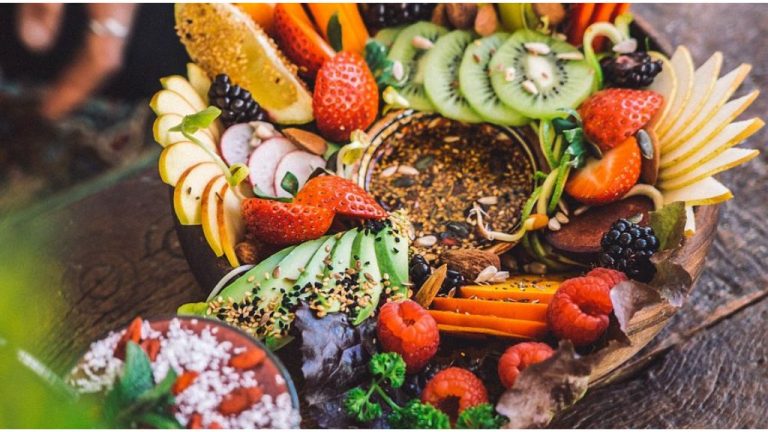
Pure Passion restaurant overlooks the marina with floor-to-ceiling windows and an aesthetic deliberately evoking Santa Monica beach cafes. The menu centers on wellness bowls combining grains, roasted vegetables, fresh greens and your choice of protein. The arrangements look beautiful enough for Instagram while delivering genuine nutrition that keeps you satisfied for hours. Smoothies rival California juice bars with combinations using whole fruits and no added sugars.The salads move beyond basic lettuce to feature grilled vegetables, roasted beets, pomegranate seeds, local goat cheese and creative dressings using argan oil or tahini. These aren’t afterthought side salads but substantial meals built around vegetables treated with care. The portions could feed two people comfortably though splitting means missing out on experiencing the full composition.
Coeur de Blé specializes in organic bread and whole grain preparations but expanded to include breakfast and lunch emphasizing minimal processing. The bakery produces several varieties of sourdough using organic flour and traditional fermentation. The smell of baking bread fills the space and makes resisting their products nearly impossible even if you came just for coffee.Breakfast brings overnight oats with seasonal fruits, whole grain toast with avocado or almond butter, and organic yogurt with granola. Everything emphasizes quality ingredients prepared simply without excessive sweetness. The coffee comes from organic beans roasted locally. Lunch features grain bowls, vegetable soups and sandwiches on their exceptional bread with generous vegetable fillings.
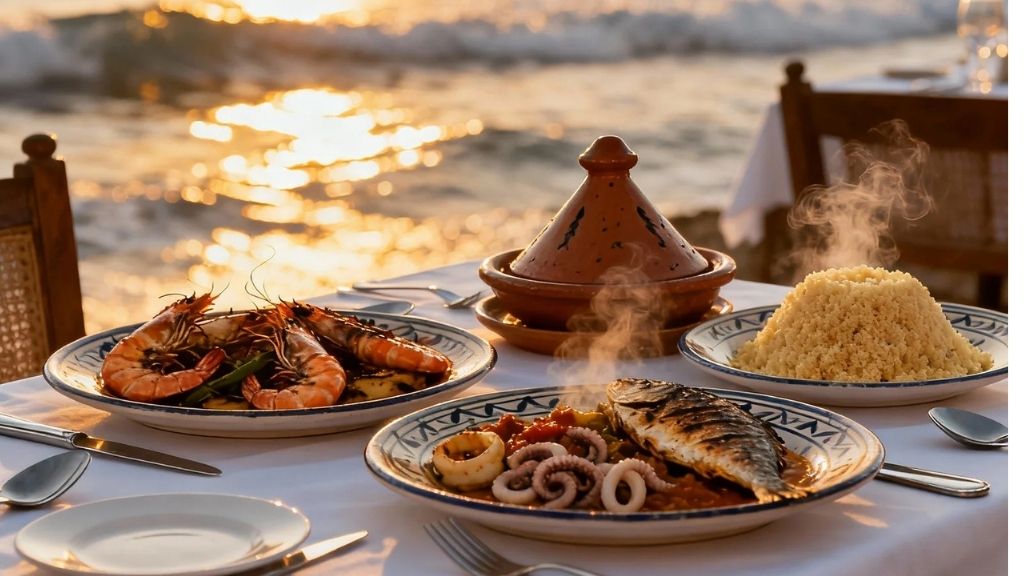
O Playa sits directly on the beach with outdoor seating offering ocean views that justify visits on atmosphere alone. The menu emphasizes fresh seafood and Mediterranean influences while incorporating Moroccan flavors. Grilled fish arrives simply prepared with olive oil, lemon and herbs letting the seafood’s freshness dominate. The vegetable tagines use seasonal produce cooked slowly with spices but less oil than traditional versions.The beachfront location means sunset dinners create memorable experiences where the setting enhances already good food. Watching the sun drop into the Atlantic while eating fresh fish captures Agadir’s essence better than any formal restaurant could. The combination of natural beauty, quality ingredients and reasonable pricing makes certain meals feel almost transcendent.
Tazzeka takes a more refined approach with presentations and techniques showing the chef’s French training. The modern Moroccan cuisine uses traditional ingredients with contemporary preparations that lighten dishes without losing character. Starters might include roasted carrot soup with yogurt, grilled octopus with chickpea puree or vegetable carpaccio with argan oil. Each demonstrates technical skill while highlighting ingredients.Vegetarian and vegan options receive equal attention rather than being reluctant accommodations. The chef creates dedicated dishes for these preferences instead of just removing meat from existing preparations. This respect for different eating styles distinguishes establishments that genuinely embrace wellness from those paying lip service while focusing on conventional offerings.
Joséphine Café occupies a restored villa with garden courtyard creating intimate atmosphere. The seasonal menu changes based on local availability with emphasis on preserving nutritional value while creating appealing flavors. Breakfast brings smoothie bowls that photograph beautifully but more importantly taste excellent. The açai and pitaya bases blend with banana for thick spoonable consistency topped with fresh fruits and granola.The garden setting encourages lingering over meals rather than eating quickly and leaving. Many customers stay for hours working or reading. The restaurant welcomes this European café culture approach where occupying tables doesn’t create pressure. This relaxed relationship with time around meals reduces stress and supports mindful eating.Raw focuses exclusively on juices, smoothies and small plates with emphasis on raw foods and maximum nutrition. The tiny space near the marina serves mostly takeaway but has a few seats. The green juices pack vegetables including cucumber, celery, spinach and kale with apple for balance. The combinations taste surprisingly good despite vegetable dominance and deliver concentrated vitamins in easily absorbed liquid form.Energy balls made from dates, nuts and cacao provide quick fuel from whole food sources. These treats satisfy sweet cravings while delivering actual nutrition rather than empty calories. The raw desserts use similar ingredients to create indulgences that genuinely taste good despite containing no refined sugar or flour.
All these restaurants handle dietary restrictions competently since accommodating various preferences forms part of their core mission. Vegetarians find abundant options throughout the menus. Vegans locate multiple suitable choices without needing special modifications. Gluten-free eating requires more attention in Morocco where bread accompanies everything but these establishments typically offer alternatives or naturally gluten-free dishes.The atmosphere at these restaurants tends toward relaxed and less self-conscious than California wellness spots where performative healthy eating sometimes overshadows actual food. Agadir’s establishments feel more authentic with less virtue signaling about organic, local or sustainable practices. The approaches get implemented without constant declarations about ethics and environmental impact.The cultural mixing creates different energy than California restaurants that often attract homogeneous clientele. Seeing Moroccan families, European expats, American travelers and digital nomads all eating together reflects genuine community rather than exclusive wellness bubbles. The food becomes connection point rather than differentiation marker.Making these restaurants part of your routine means starting days with breakfast or coffee at one spot to establish healthy momentum. Alternating between different establishments prevents boredom while exposing you to varied preparations and ingredients. The variety supports nutritional diversity better than eating the same things repeatedly even if those things are healthy.The affordability allows upgrading choices without budget concerns. Order the organic juice even though you normally drink water. Get the extra vegetables or better protein option. The cost difference compared to California pricing means you can optimize nutrition without the budget calculations that limit choices at home.For travelers wanting comprehensive coverage of Agadir’s health-conscious dining scene including specific menu recommendations, pricing details and how these establishments source ingredients and prepare dishes to maximize both flavor and nutrition, the complete guide to healthy restaurants in Agadir provides detailed information about where to eat clean while maintaining the pleasure and satisfaction that makes wellness sustainable rather than feeling like deprivation or sacrifice.
Berber breakfast traditions: Amlou and morning wellness
The traditional Berber breakfast centers on amlou, a spread combining roasted almonds, argan oil and honey into something that resembles elevated almond butter. This simple preparation has sustained mountain communities and coastal workers for generations because it delivers genuine nutrition that powers physical labor for hours. The combination of healthy fats, protein and natural sugars provides sustained energy without the crash that comes from typical breakfast pastries or sugary cereals.The spread emerged from practical needs in the Atlas Mountains and Souss Valley where Berber families required portable high-energy food. Shepherds taking flocks to pasture needed nutrition that traveled well without refrigeration and provided concentrated calories in compact form. Amlou solved these problems while using ingredients locally available from argan trees and almond cultivation that thrived in the region.The preparation varies by family with some versions emphasizing honey’s sweetness while others highlight argan oil’s nutty character. These variations reflect personal preference and ingredient availability rather than strict rules. Mountain families might use more almonds while coastal people add extra argan. This flexibility allows each cook to make amlou their own while maintaining the essential three-ingredient formula.
Traditional methods involved grinding almonds by hand using stone mortars, a laborious process requiring significant time and effort. Modern cooks use food processors or blenders achieving similar results in minutes. The technological advancement doesn’t diminish the final product’s quality or cultural significance. It simply makes regular amlou consumption practical for busy contemporary lives.Making amlou starts with roasting raw almonds to develop flavors and release oils. Spread almonds in a single layer and roast at 350 degrees for ten to twelve minutes until golden and fragrant. The roasting transforms subtle raw almond flavor into something rich and complex through chemical changes that develop new aromatic compounds. Skipping this step produces inferior results lacking depth.Process cooled roasted almonds in a food processor until they break down into paste. This takes several minutes with the mixture progressing through stages from chopped to grainy to creamy. The almonds release their oils and transform into butter-like consistency. Add argan oil gradually while processing until the mixture reaches thick but spreadable consistency. Drizzle in honey to taste and process until smooth.The finished amlou should smell intensely nutty from both the almonds and argan oil. The color ranges from light tan to deep brown depending on almond roasting level and argan oil used. The texture can be completely smooth or slightly chunky based on preference. Store in glass jars where it keeps for weeks at room temperature or months refrigerated.Traditional serving involves fresh khobz or other flatbread torn into pieces and used to scoop amlou from a communal bowl. Families eat together sharing the same bowl while conversing. This communal approach makes breakfast a social time rather than solitary rushed eating. Soft fresh cheese often accompanies amlou with its mild tang balancing the spread’s sweetness.Mint tea appears at virtually every Moroccan breakfast including those featuring amlou. The tea’s digestive properties help process the rich spread while its warmth and ritual preparation make the meal feel special. The contrast between sweet tea and sweet amlou might seem excessive but somehow works perfectly in practice.The nutritional benefits explain why this simple breakfast sustained physically demanding work for generations. Almonds provide protein, fiber, vitamin E, magnesium and healthy monounsaturated fats supporting heart health and stable blood sugar. The protein and fat combination creates lasting satiety preventing mid-morning hunger and snacking.Argan oil contains compounds that may reduce cholesterol, support cardiovascular health and provide antioxidant protection. The vitamin E in argan works synergistically with almond vitamin E enhancing overall benefits. The traditional pairing of these ingredients creates nutritional synergy that isolated nutrients can’t replicate.Honey offers quick-burning carbohydrates for immediate energy while the almonds and argan provide sustained fuel. This combination gives you rapid energy to start your day plus long-lasting power for physical and mental work. The natural sugars in honey absorb more slowly than refined sugar preventing the crashes that come from typical sweet breakfasts.The calorie density means small amounts deliver significant energy. Two tablespoons contain roughly two hundred calories with balanced macronutrients. This efficiency makes amlou ideal for breakfast when you need nutrition but don’t want large volumes of food first thing in the morning. The concentrated energy works particularly well for active people with high caloric needs.Modern variations include amlou bowls inspired by California acai bowls where the spread gets topped with sliced banana, berries, granola and additional nuts. These presentations maintain nutritional benefits while adding visual appeal and textural variety. Amlou smoothies blend the spread with banana, dates and almond milk for drinkable breakfast convenient for people who don’t eat solid food early or need portable options.Using amlou as oatmeal topping creates crossover between Berber and Western breakfast traditions. Stir a spoonful into hot oatmeal for enhanced nutrition, better flavor and Moroccan character. The amlou melts slightly from the heat creating swirls of nutty sweetness throughout. This simple addition transforms basic oatmeal into something genuinely satisfying.The cost of homemade amlou runs about twelve to fifteen dollars per batch using one cup of almonds, quarter cup of argan oil and quarter cup of honey. This produces roughly one and a half cups of finished spread with per-serving cost around seventy-five cents for two tablespoons. Compare this to commercial nut butters costing similar amounts for inferior ingredients and the value becomes clear.The cultural significance extends beyond nutrition. Sharing amlou represents hospitality and generosity in Berber culture. Offering amlou to guests shows respect and welcome. The quality served reflects on the host’s care for visitors. This cultural weight around a breakfast spread demonstrates food’s social importance beyond mere sustenance.Many Berber families maintain signature amlou recipes passed through generations. The specific ratios and techniques carry family identity and pride. Learning to make amlou from a Berber cook means receiving cultural knowledge extending beyond cooking skills into tradition and values. The recipe becomes vessel for transmitting cultural practices and maintaining connections across generations.The ingredients’ local origins connect amlou to specific geography and agricultural practices. Argan trees grow only in southwestern Morocco making the oil genuinely local to this region. Almonds from the Souss Valley carry terroir just like wine grapes. Eating amlou means tasting a specific place with its unique combination of climate, soil and traditional cultivation methods.Making amlou part of your routine starts with small amounts to gauge how it affects your energy and satiety. Some people find two tablespoons perfect while others need only one. Your body will tell you the right portion through how you feel mid-morning. Adjust based on this feedback rather than following arbitrary serving size recommendations.Pairing amlou with fresh fruit adds nutrients and fiber that complement the spread’s concentrated nutrition. Sliced apple or banana with amlou creates balanced breakfast addressing multiple nutritional needs. The fruit’s water content and fiber work with amlou’s fats and protein for complete meal that keeps you satisfied until lunch without snacking.For comprehensive exploration of amlou’s nutritional benefits, detailed preparation instructions, storage guidelines and creative ways to incorporate this traditional spread into modern eating patterns, the complete guide to Berber breakfast and amlou provides practical knowledge about making this simple yet powerful food part of your wellness routine whether you’re in Agadir learning from Berber cooks or recreating these traditions at home.
A gentle landing
Agadir’s food culture offers something California wellness seekers often struggle to find at home: genuine nutrition that tastes incredible without requiring premium prices or complicated preparations. The city’s Atlantic location creates supply chains measured in hours rather than days where fishermen sell directly to consumers and farmers bring produce picked that morning. This directness preserves flavor and nutrients that longer distribution systems sacrifice in the name of convenience and shelf life.The approach to food here never separated eating from wellness because the concepts weren’t distinct in the first place. Fresh fish provides omega-3s whether or not anyone uses that term. Vegetables grown without chemicals deliver better nutrition because small farmers couldn’t afford inputs that industrial agriculture depends on. Traditional preparations like slow-cooked tagines and simply grilled seafood maximize digestibility and nutrient retention through techniques refined over generations.What distinguishes Agadir from other wellness destinations is the absence of performative health culture that sometimes makes California dining feel like competition over who can eat most virtuously. People here eat well because good food is available and affordable, not because they’re making statements about their values or demonstrating superior knowledge. The lack of self-consciousness around healthy eating makes it sustainable as daily practice rather than temporary diet requiring constant willpower.The markets function as both practical infrastructure and education in ingredient quality. Walking through Souk El Had teaches you to evaluate produce freshness, negotiate respectfully and adapt to seasonal availability. The fish market shows you what truly fresh seafood looks like and how to select specimens that will cook beautifully. These skills transfer home and change how you shop regardless of whether you have access to Moroccan-style markets.The restaurants implementing farm-to-table principles and accommodating various dietary preferences prove that healthy eating doesn’t require luxury pricing. Complete nutritious meals cost eight to fifteen dollars at establishments sourcing quality ingredients and preparing them carefully. This accessibility means you can maintain wellness habits throughout your visit without the budget anxiety that prevents similar frequency in California.The traditional foods like amlou demonstrate how simple whole-food combinations provide nutrition that expensive supplements and protein products try to replicate through processing and marketing. Three ingredients, almonds, argan oil and honey, create sustained energy and complete nutrition for a fraction of what Californians spend on breakfast bars and smoothie powders. The lesson applies beyond this specific spread to broader principles about eating real food.The cooking techniques you learn here, whether grilling fish with chermoula or using argan oil properly, transfer to any kitchen and any ingredients. The methods work because they respect ingredients and enhance rather than mask their inherent qualities. Understanding these principles changes how you approach cooking everywhere not just when preparing Moroccan dishes.The affordability of eating well in Agadir offers perspective on California’s wellness industry where premium pricing often has more to do with positioning than actual costs. Direct sourcing, seasonal menus and simple preparations don’t require luxury margins. The prices Agadir restaurants charge reflect real costs of quality ingredients and skilled preparation without the markups that California establishments add for ambiance and exclusivity.The casual beach culture surrounding food reduces stress around eating in ways that support digestion and overall wellness. Meals happen at relaxed pace with ocean views and social interaction. The setting matters as much as the nutrition for creating experiences that nourish multiple dimensions of health simultaneously. This integration of environment, food and community produces outcomes that isolated nutritional interventions can’t match.Taking these lessons home means shopping more frequently for fresher ingredients even if daily markets don’t exist. It means choosing simple preparations that showcase quality components rather than burying them under sauces. It means eating seasonally by paying attention to what’s actually abundant rather than what’s theoretically available year-round through global supply chains.The Berber and coastal Moroccan approaches to food offer alternatives to industrial eating that feel more sustainable than constant restriction and calculation. Eating what’s fresh, preparing it simply and sharing meals with others creates natural wellness without requiring complicated rules or expensive products. The traditional wisdom embedded in these practices addresses modern health problems through time-tested solutions.Your time in Agadir provides exposure to possibilities you might not have imagined existed. The incredibly fresh fish, the vibrant produce, the traditional preparations that maximize nutrition while delivering satisfaction, all demonstrate that good food doesn’t require choosing between health and pleasure. The integration happens naturally when ingredients are excellent and preparations respect them.The real value comes not from perfect replication of Agadir’s food culture at home but from absorbing principles you can adapt to your context. The emphasis on freshness, the respect for ingredients, the social dimensions of eating and the trust in simple preparations over complicated interventions all transfer across cultures and circumstances. These aren’t Moroccan concepts but universal truths about food that Agadir happens to illustrate clearly.Start implementing changes gradually rather than trying to transform everything immediately. Maybe you begin by shopping farmers markets more regularly or learning to grill fish properly. Perhaps you make amlou at home or start using better quality oils in your cooking. Small consistent changes accumulate into meaningful transformation that lasts because it comes from understanding rather than just following rules.The food culture you’ve experienced in Agadir exists because systems support it rather than working against it. Daily markets, direct sales from fishermen, traditional preparation knowledge passed through families, all create infrastructure enabling healthy eating by default. Advocating for similar systems at home, supporting farmers markets, buying directly from producers, sharing cooking knowledge, helps build the framework that makes wellness accessible rather than exclusive.The memories you take from Agadir should include not just the taste of perfectly grilled sardines or the energy from amlou breakfast but the understanding that good food comes from good relationships with land and people who work it. This knowledge transcends specific recipes or techniques to inform how you think about eating and what you choose to support through your purchases.
For those ready to dive deeper into specific aspects of Agadir’s food culture, exploring the daily fish market and its health benefits provides the foundation for understanding how ultra-fresh seafood transforms nutrition and why the direct connection between ocean and plate creates opportunities that longer supply chains can never match regardless of how carefully they handle transportation and storage.