

Planning your soul aligned trip: when to visit agadir for meaningful events
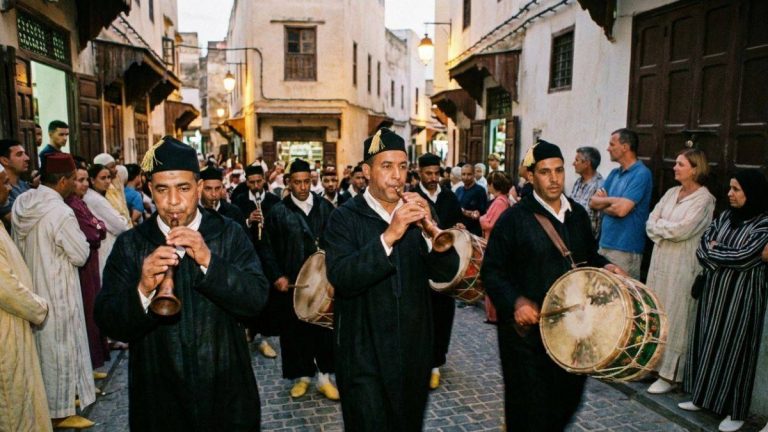
I used to plan my trips like military operations, color coded spreadsheets, hourly itineraries, backup plans for my backup plans. Then I came to Agadir in early spring and sat on a low wall near the port while an impromptu drum circle formed around a man singing in Tachelhit. No announcement. No crowd control. Just rhythm rising from the pavement like heat. In that moment, I realized my calendar had been working against me. The best time to visit Agadir isn’t about perfect weather alone. It’s about alignment, with culture, with community, and with your own inner pace.
For travelers from the Delmarva Peninsula, where seasons dictate everything from oyster harvests to beach traffic, this idea resonates. You understand that timing isn’t just logistical, it’s emotional. And in Agadir, the cultural calendar moves to its own gentle pulse, shaped by harvests, holy days, and the Atlantic’s steady breath.
If your goal is meaningful connection through festivals and spiritual gatherings, aim for two windows, late spring (April–June) and mid summer (July–early August). These months offer the richest overlap of local tradition and international celebration, without the peak season crowds that arrive in August for sunbathing alone. Agadir Festival Travel Guide: Events, Culture and Wellness
Spring (April–June): Village moussems and renewal
April and May bring the first wave of village moussems, modest but profound gatherings honoring local saints or seasonal blessings. I attended one near Oulad Teima where families arrived on foot, carrying baskets of barley, dates, and handmade candles. The air smelled of wild thyme and slow roasted lamb. There were no stages, just shared meals under almond trees and quiet prayers at a whitewashed shrine. For travelers seeking authenticity over spectacle, this is golden hour.

Summer (July–Early august): Timitar and coastal energy
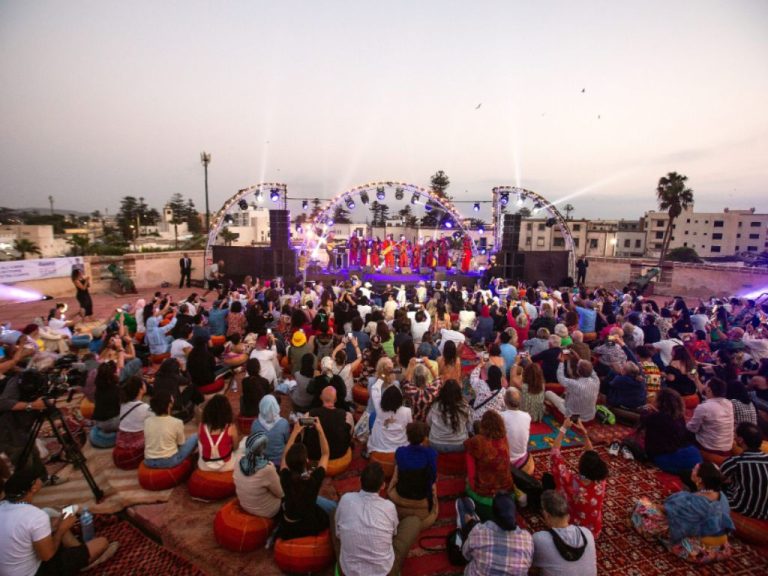
Then comes July, when Agadir transforms. The Timitar Festival, the city’s flagship cultural event, fills the seafront with music that bridges continents. But don’t mistake it for a typical concert series. Timitar’s magic lives in its margins, the late night jam sessions on Taghazout beach, the artisan markets where Berber weavers demonstrate centuries old patterns, the pop up storytelling circles in hidden courtyards. Evenings are warm but breezy, and the ocean offers constant relief. This is when the city feels most alive, not loud, but deeply connected.
Autumn (September–October): Quiet reflection and harvest blessings
Early autumn (September–October) is another sweet spot. The summer rush fades, temperatures soften, and smaller spiritual festivals return. I once spent a September afternoon in a zaouia outside Agadir during a Sufi moussem, where the only sound for nearly an hour was the collective breath of men in dhikr meditation. The light was honey gold, slanting through arched windows onto worn prayer rugs. It wasn’t on any tourism site. I found it because I asked a shopkeeper, “What’s happening in your community this week?”
Winter months: When to pause or go deeper
Avoid November through March if your focus is events. While Agadir remains pleasant weather wise, most cultural programming pauses. That said, if you’re drawn to solitude, winter offers quiet access to the kasbah ruins, coastal hikes, and unhurried hammam rituals, but not the communal energy of festival season.
Practical notes, book accommodations 2–3 months ahead for July. Guesthouses in Talborjt or Anza fill fast, but they offer more authentic stays than large resorts. Pack light cotton layers, you’ll need them for warm days and cool ocean nights. And always carry small bills for street food, artisan crafts, and spontaneous tea invitations.
Most importantly, build in margin. Don’t schedule back to back days. Let one morning unfold slowly over mint tea and bread. Say yes to detours. Some of my deepest moments in Agadir happened when I missed a planned event but stumbled into a neighborhood celebration instead, the kind with no name, no website, just open arms.
Back home in Maryland, I now plan less and sense more. I watch the tides, notice when the ospreys return, and leave room in my days for what wants to happen, not just what I’ve forced onto the calendar. Agadir taught me that timing isn’t about control. It’s about receptivity.
If you’re ready to travel not just with your eyes open, but your heart tuned to the season, you’re already on the right path. And once you’ve chosen your window, step fully into the experience with the Agadir festival travel guide: Events, culture and wellness, your compass for navigating this soulful destination with grace and intention.