
Fes, one of Morocco’s most iconic cities, is known for its rich history, stunning architecture, and vibrant culture. At the heart of Fes lies Fes el-Bali, the city’s ancient medina, which has been recognized as a UNESCO World Heritage site. This maze of narrow streets, bustling souks, and historical landmarks offers visitors a unique opportunity to step back in time and experience Morocco’s traditional way of life. Fes el-Bali is not only a living museum, but it also serves as a hub for artisans and scholars, preserving the crafts and knowledge that have been passed down through generations. From the famous Al Quaraouiyine University to the world-renowned tanneries, the medina is filled with attractions that highlight Fes’s cultural and intellectual legacy. Exploring the medina is a journey through history, culture, and Moroccan craftsmanship that captivates visitors at every turn.
Fes el-bali : the old city
Fes el-Bali is the historical heart of Fes, a city that has long been a center of intellectual and cultural development. Founded in 789 AD by Idris I, the city’s medina, Fes el-Bali, has witnessed over a thousand years of Moroccan history unfold within its ancient walls. Today, it remains one of the world’s largest and best-preserved medieval cities, earning its place as a UNESCO World Heritage site. Stepping into Fes el-Bali is like walking through time, where narrow alleyways, bustling souks, and magnificent architecture come together to tell the story of Morocco’s rich past.
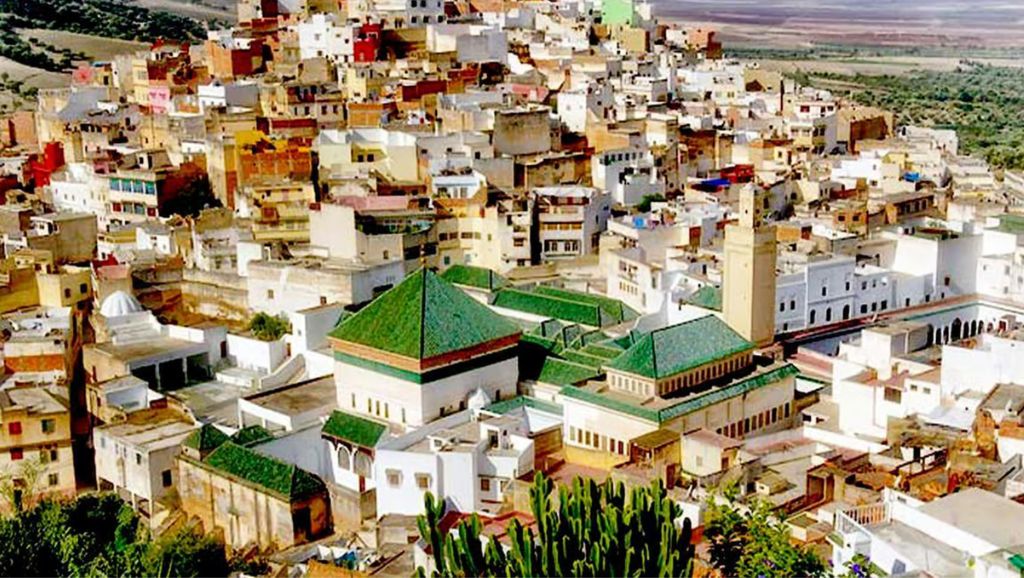
The layout of Fes el-Bali is a reflection of the city’s history. Over the centuries, the medina has grown organically, with winding streets and narrow alleys that seem to meander endlessly. The labyrinthine streets were designed this way on purpose, to protect residents from invasions and the hot sun. As you navigate through the medina, you’ll notice the colorful walls, intricate tile work, and beautiful wooden doors, all telling the story of Fes’s deep cultural and architectural legacy.
Walking through Fes el-Bali, you’ll find that the area is home to many of the city’s most significant landmarks. From religious institutions and schools to the bustling markets and traditional workshops, the medina offers a fascinating look into the life of Fes through the ages. Visitors will discover that the city’s history is not just written in books but is alive in every corner of the medina.
Key attractions in the medina
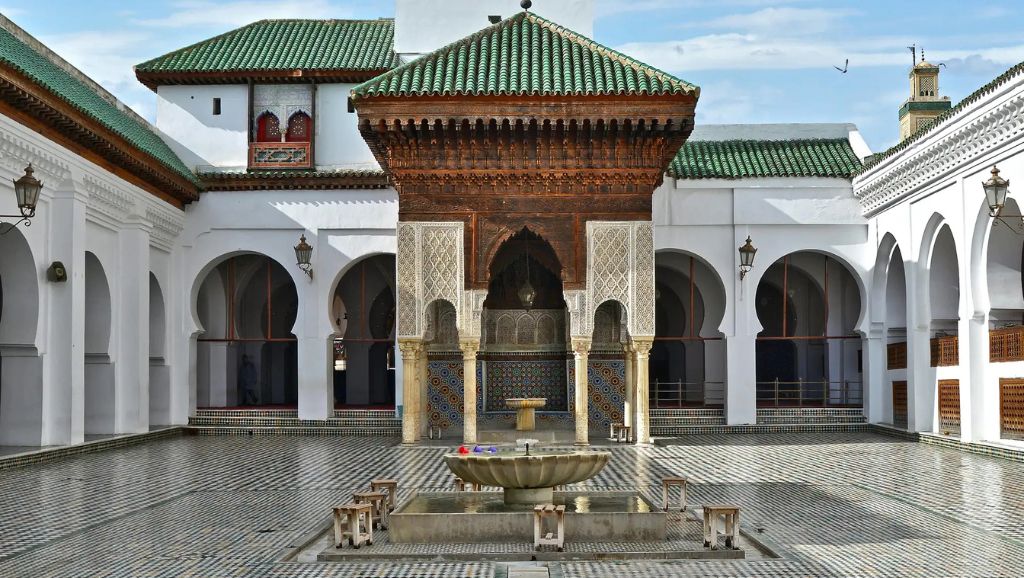
The medina of Fes is packed with important historical sites that provide a glimpse into Morocco’s past. Some of the most notable attractions in the area include the Al Quaraouiyine University, the Bou Inania Madrasa, and the famous tanneries of Fes. Let’s explore some of these iconic sites in greater detail.
- Al Quaraouiyine University: Founded in 859 AD by Fatima al-Fihri, this university holds the distinction of being the oldest existing and continually operating educational institution in the world. The university has played an essential role in the spread of Islamic scholarship and knowledge. For centuries, it has attracted scholars from all over the Islamic world to study theology, science, and philosophy. The architecture of the university is also worth noting, with its grand entrance, intricate tile work, and expansive courtyards. The university’s library houses rare manuscripts, many of which date back hundreds of years. A visit to Al Quaraouiyine is a walk through intellectual history.
- Bou Inania Madrasa: Built in the 14th century, this madrasa is one of Fes’s finest examples of Marinid architecture. The madrasa is a religious school and mosque, and it is one of the few madrasas in Morocco open to non-Muslim visitors. Visitors can admire the impressive architecture, including the stunning wood carvings, intricate tile mosaics, and grand marble columns. The madrasa also boasts a tranquil courtyard where students once gathered to study and pray.
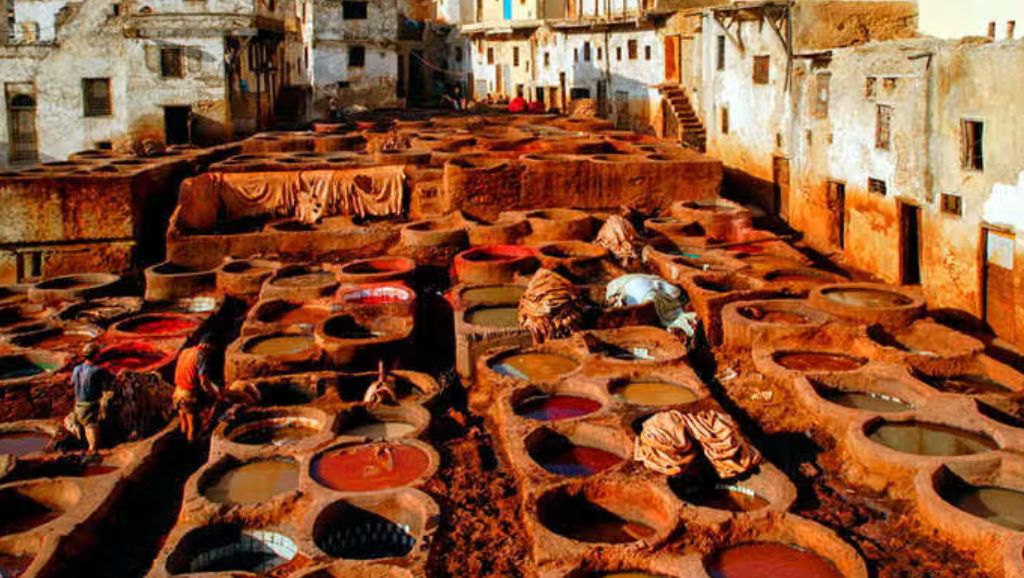
- The Tanneries of Fes: Perhaps one of Fes’s most iconic sights, the tanneries have been in operation for centuries, providing a glimpse into the ancient craft of leather production. The tanneries are located just outside the medina, and visitors can observe the process of dyeing leather in large vats filled with natural dyes. The vibrant colors of the dye and the sight of workers skillfully stretching and treating the leather make for an unforgettable experience. The process has remained largely unchanged for hundreds of years, and it’s an essential part of Fes’s cultural and economic history.
- Al-Attarine Madrasa: Located near the Bou Inania Madrasa, the Al-Attarine Madrasa is another beautiful example of Marinid architecture. Built in the 14th century, it features ornate tile work, delicate stucco carvings, and a central courtyard surrounded by columns. The madrasa was once a center for Islamic learning, and today it is a must-visit for those interested in Fes’s religious and educational history.
These key attractions are just the tip of the iceberg when it comes to exploring Fes’s rich history. The medina is full of hidden gems, from centuries-old mosques and historical houses to bustling markets and artisan workshops. Whether you’re a history buff, an architecture lover, or simply a curious traveler, Fes el-Bali is a place where the past comes alive.
Traditional markets and souks
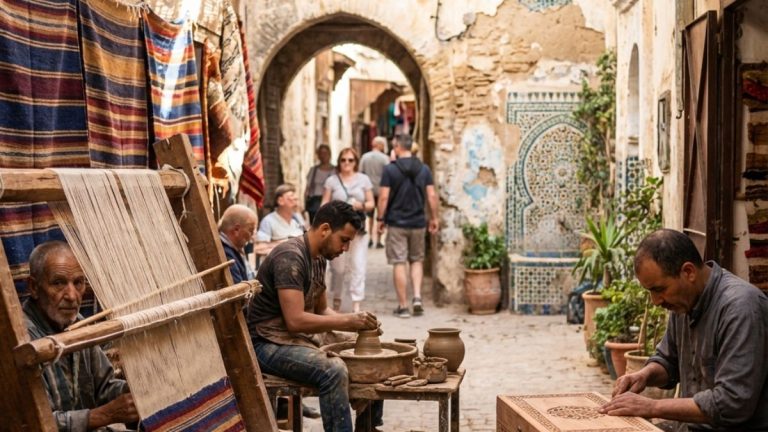
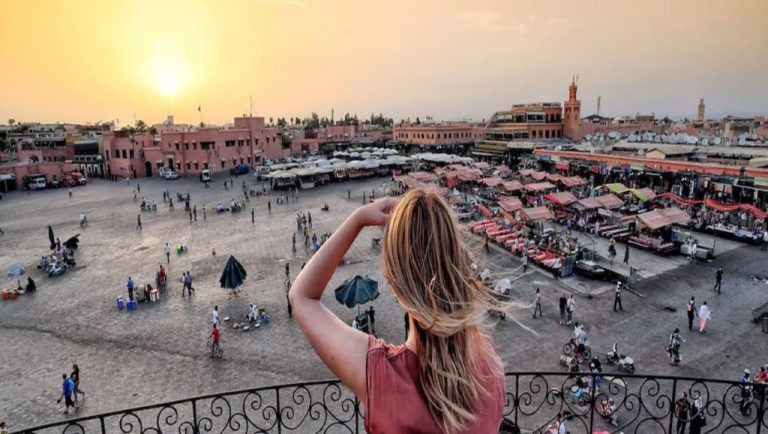
The souks of Fes are among the most vibrant and bustling markets in Morocco. These traditional markets are the lifeblood of the medina, where locals come to buy and sell goods, and where artisans continue to practice their crafts. Each section of the souk is dedicated to a specific trade, from spices and textiles to pottery and metalwork. Visitors to the souks can find all sorts of traditional Moroccan products, including handmade leather goods, intricate ceramics, and beautiful textiles.
One of the most famous souks in Fes is the Souk el Henna, where visitors can buy various types of henna for body art, as well as other traditional herbal remedies and beauty products. Another popular market is the Souk el Attarine, where you can find an array of spices, perfumes, and oils that are essential to Moroccan cuisine and culture. The souks of Fes are not only places for shopping, but also important cultural spaces where traditions and customs are passed down through generations.
What makes the souks of Fes truly unique is the opportunity to watch artisans at work. In many of the workshops scattered throughout the medina, you can see craftsmen creating their products using traditional techniques that have been passed down through generations. From leatherworking to pottery making and metalworking, the souks of Fes provide a rare opportunity to witness age-old traditions in action.
For those seeking a unique experience, a visit to the Fes Bab Boujloud Souk is highly recommended. This market is located near the famous Blue Gate and offers a wide variety of goods, from traditional Moroccan clothing to handmade jewelry and textiles. Shopping here is an immersive experience, where visitors can engage with local artisans and learn about the intricate techniques used to create their crafts.
A walk through time
Wandering through Fes el-Bali is like taking a step back in time. The city’s narrow, winding streets and alleyways are lined with buildings that date back hundreds of years, many of which are still used for their original purposes. Walking through these streets, visitors can imagine what life in Fes would have been like centuries ago.
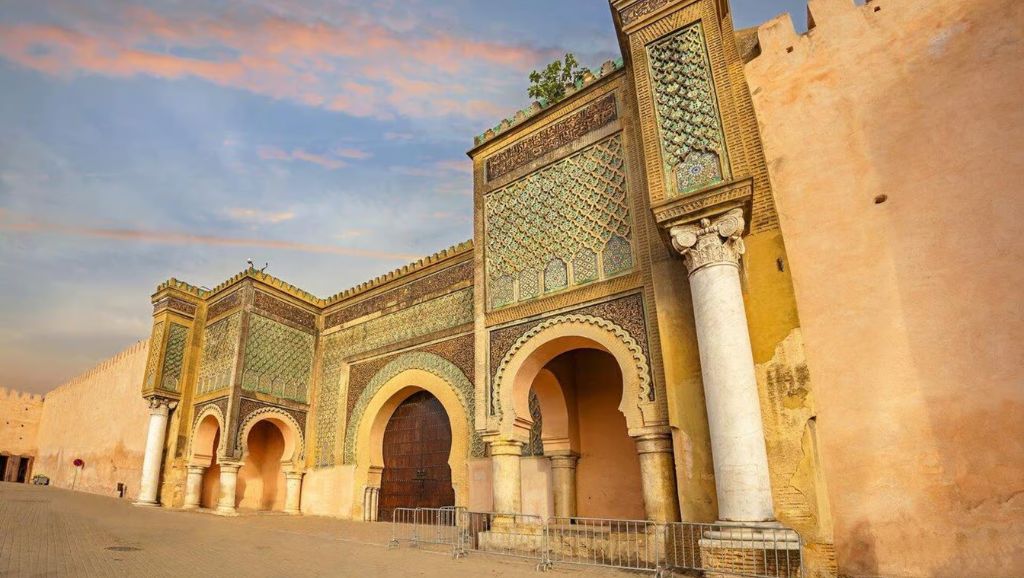
The architecture of Fes el-Bali is a beautiful blend of Islamic, Andalusian, and Berber influences, which come together to create a unique visual identity. The walls of the buildings are often decorated with intricate tile work, geometric patterns, and beautiful calligraphy, all of which are characteristic of Moroccan design. Visitors will notice the influence of Andalusian architecture, particularly in the wooden doors, archways, and courtyards that are typical of the region.
One of the most interesting aspects of Fes el-Bali is the way in which the city has preserved its traditional way of life. While the streets are bustling with activity, many of the buildings are still used for their original purposes, whether as homes, workshops, or places of worship. In many ways, Fes is a city that has managed to maintain its historical authenticity while embracing modernity.
Walking through the city is an experience in itself. The streets are filled with the sounds of daily life—vendors calling out their wares, the clink of metal from blacksmiths’ workshops, and the chatter of locals bargaining over prices. This is Fes as it has always been: a vibrant, living city where history, culture, and tradition blend seamlessly.