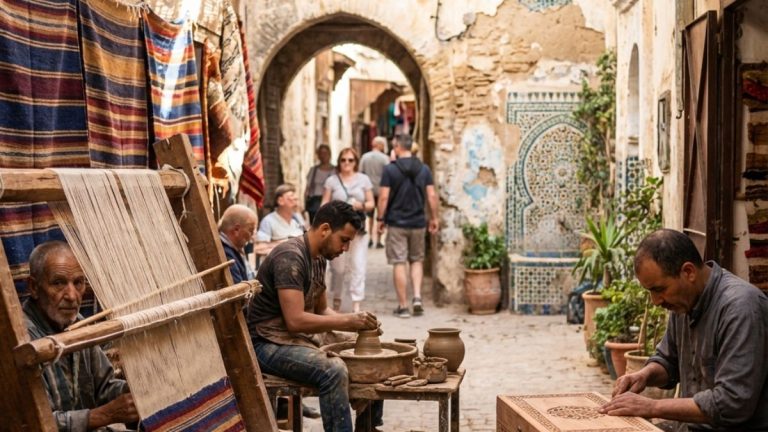

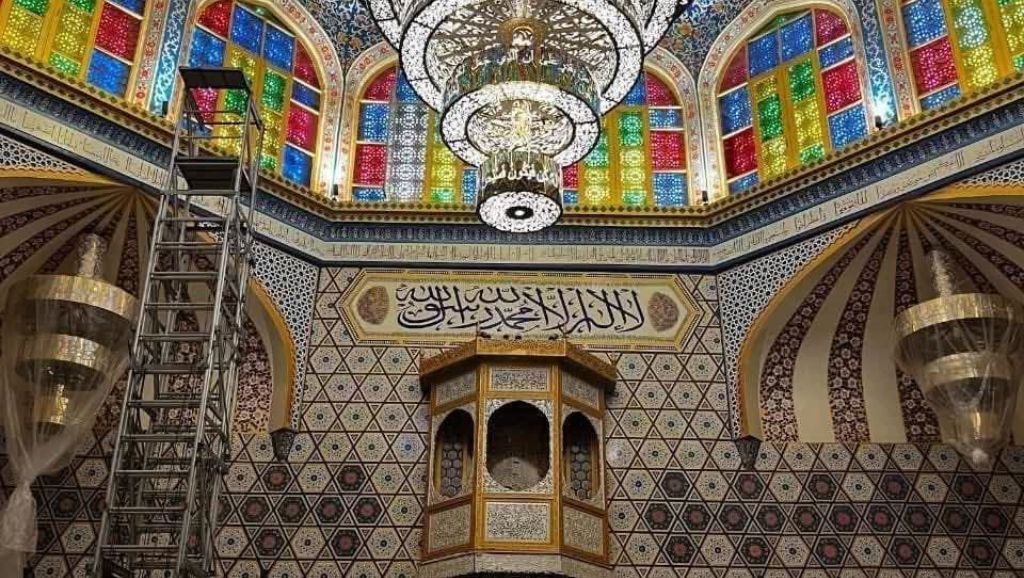
Fes is renowned for its stunning Islamic architecture, which forms the foundation of the city’s unique aesthetic. As one of the oldest cities in Morocco, Fes boasts a wealth of mosques, madrasas, and other architectural gems that showcase the intricate beauty of Islamic design. Islamic architecture in Fes is characterized by elegant arches, beautifully detailed tile work, and serene courtyards, creating a harmonious and tranquil atmosphere.
One of the most notable examples of Islamic architecture in Fes is the Al Quaraouiyine University, which is not only the oldest university in the world but also a magnificent architectural achievement. The mosque within the university features stunning tile work, large arches, and a central courtyard that exemplifies the elegance of Islamic design. The university’s beautiful courtyard and minaret are iconic symbols of Fes’s architectural legacy.
The Zaouia Moulay Idriss, dedicated to the founder of the city, Idris I, is another important example of Islamic architecture. The building features a unique blend of Andalusian and Islamic styles, with beautiful tile work and arches that lead to a serene inner courtyard. This mausoleum is also an important pilgrimage site for many Moroccan Muslims, adding to its cultural significance.
Andalusian influence in Fes’s architecture
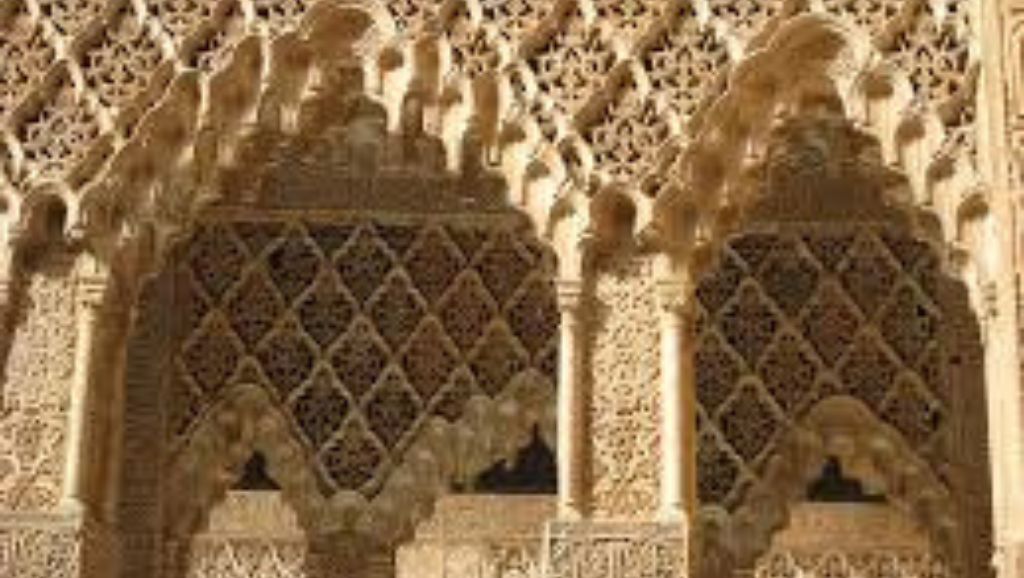
Fes’s architectural style is heavily influenced by the Andalusian period, which lasted from the 8th to the 15th century. When Muslim refugees from Andalusia (modern-day Spain) fled to Morocco after the Reconquista, they brought with them their architectural knowledge, which had a lasting impact on Fes’s design. Andalusian architecture is known for its intricate geometric patterns, beautiful ceramic tiles, and delicate stucco carvings.
One of the most famous examples of Andalusian influence in Fes is the Bou Inania Madrasa, built in the 14th century. The madrasa’s façade and interior are a stunning example of Andalusian tile work, with vibrant blue, green, and yellow patterns that decorate the walls and floors. The courtyard is equally striking, with its carved wooden doors and columns that showcase the delicate craftsmanship of the period.
Another example of Andalusian influence is the Merenid Tombs. Located on a hill overlooking Fes, the tombs have a distinct Andalusian design, with intricate arches, geometric patterns, and gardens that provide a peaceful and picturesque setting. The tombs offer a breathtaking view of the city and provide insight into the architectural style that shaped Fes during the Andalusian period.
Berber influences in Fes’s architecture
In addition to Islamic and Andalusian influences, Berber architecture also plays an important role in Fes’s design. The Berbers, indigenous people of North Africa, have contributed their unique architectural style to the city. Berber architecture is known for its use of mud brick, flat roofs, and simple, functional designs. While Berber influence is more apparent in the rural areas of Morocco, it is still present in Fes, particularly in the construction of traditional houses and some of the city’s older buildings.
The Fes el-Bali area of the medina is a prime example of Berber architecture. The traditional houses in Fes el-Bali often feature simple, unadorned facades, with small windows and a central courtyard. The use of local materials, such as mud brick and wood, was not only practical but also helped to keep the homes cool in the hot Moroccan climate. The Berber style of architecture in Fes is a reminder of the city’s long history and its roots in North African traditions.
The iconic Bab Boujloud : a gateway to Fes
One of the most recognizable architectural landmarks in Fes is the Bab Boujloud, or Blue Gate. This impressive entrance to the old city is an iconic symbol of Fes and is one of the most photographed spots in the city. The gate was built in the early 20th century and features a blend of traditional Moroccan and modern designs, with beautiful blue tiles that give the gate its distinctive color.
Bab Boujloud is not only an architectural marvel but also a functional entry point into the medina. The gate serves as the main entrance for visitors coming from the new city (Fes el-Jdid) to the old city (Fes el-Bali). The gate’s design incorporates both Moorish and Moroccan architectural elements, making it a perfect example of the fusion of styles that define Fes’s unique aesthetic.
As visitors pass through the gate, they are immediately immersed in the vibrant world of Fes el-Bali. The surrounding area is filled with markets, cafes, and traditional Moroccan houses, offering a lively and colorful atmosphere that contrasts with the serene and peaceful courtyards found within the city’s historical buildings.
Preserving Fes’s architectural heritage
Fes’s rich architectural heritage is an essential part of its identity, and efforts are continuously made to preserve and protect the city’s historic buildings. The city has implemented various restoration projects to ensure that the beauty and significance of Fes’s architecture are maintained for future generations. These projects aim to preserve the original features of the buildings while also improving the quality of life for residents.
In recent years, Fes has seen an increase in tourism, and the city’s authorities have recognized the importance of preserving its cultural and architectural legacy. Many of Fes’s most important landmarks have been carefully restored to their former glory, including the Bou Inania Madrasa and the Al Quaraouiyine University. These efforts help to ensure that the city’s rich architectural heritage remains an integral part of its cultural landscape.