
Healing in Tangier is not confined to clinics or formal therapies. It exists quietly within homes, markets, and conversations. It is woven into daily life, guided by trust, experience, and an inherited understanding of balance between body and spirit.
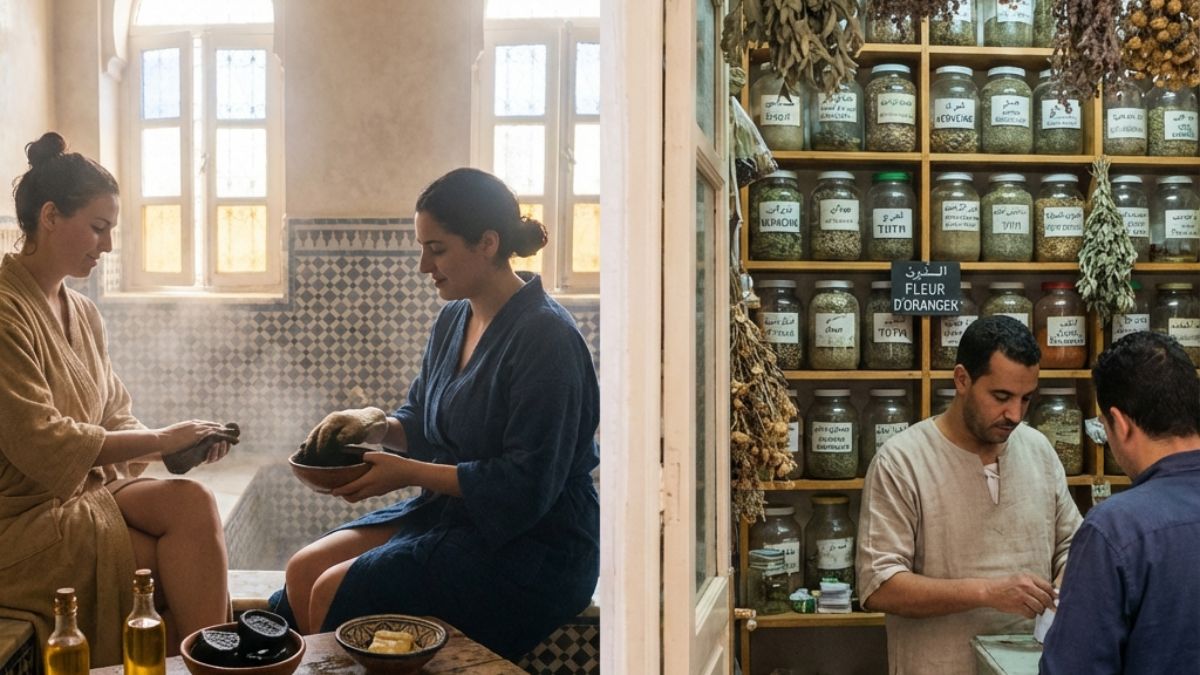
I first sensed this while speaking with an elderly herbalist near the Grand Socco. He did not describe himself as a healer. He simply listened, asked a few questions, and handed over a small paper pouch filled with dried leaves. “For calm” he said. No diagnosis. No promises. Just knowledge passed gently forward.
Healing as Continuity, Not Cure
Traditional healing in Tangier does not seek instant solutions. It works through rhythm, patience, and attention. Remedies are chosen slowly, often paired with rest, prayer, or changes in daily habits.
This approach reflects the same cultural philosophy explored in Tangier’s Living Traditions: A Mindful Cultural Guide for 2026, where healing is understood as part of a wider network of inherited practices shaping daily life rather than an isolated response to illness. Balance matters more than urgency. Listening becomes part of the treatment.
Herbal Knowledge Passed Through Generations
Herbal medicine remains one of the most visible healing traditions in Tangier. Shops filled with jars of roots, leaves, and resins line the medina. Each scent tells a story of land, season, and use.
Herbalists often inherit their knowledge orally. Measurements are intuitive, adjusted to the person rather than standardized. Remedies may support digestion, calm anxiety, improve sleep, or strengthen immunity.
Spiritual Healing and Protective Rituals
Healing in Tangier often extends beyond the physical. Spiritual practices address emotional weight, stress, or a sense of imbalance. These may include recitation, incense, water rituals, or visits to sacred spaces.
Such practices are deeply personal. They are rarely explained to outsiders unless trust is established. Observing quietly and following local guidance, as outlined in Practical Tips & Cultural Etiquette in Tangier: Traveling with Awareness, allows visitors to approach these moments with respect rather than intrusion.
The Body in Community Care
Care is not always individual. Families and neighbors play a role. Meals are prepared with intention. Silence is respected. Advice is shared gently.
This communal approach reinforces emotional safety, reminding individuals that healing is supported, not endured alone.
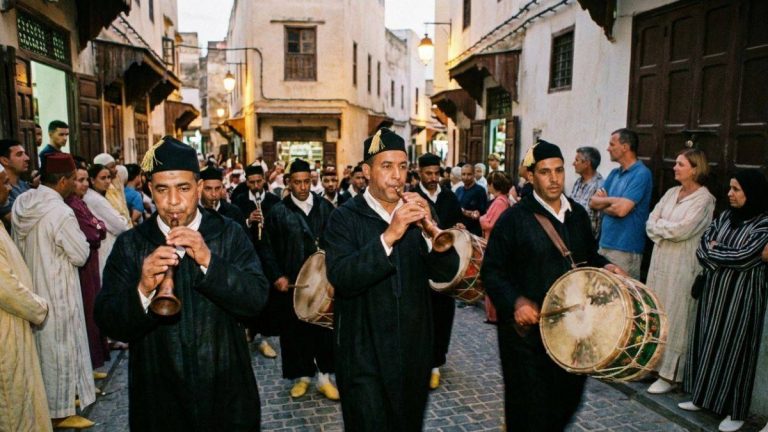
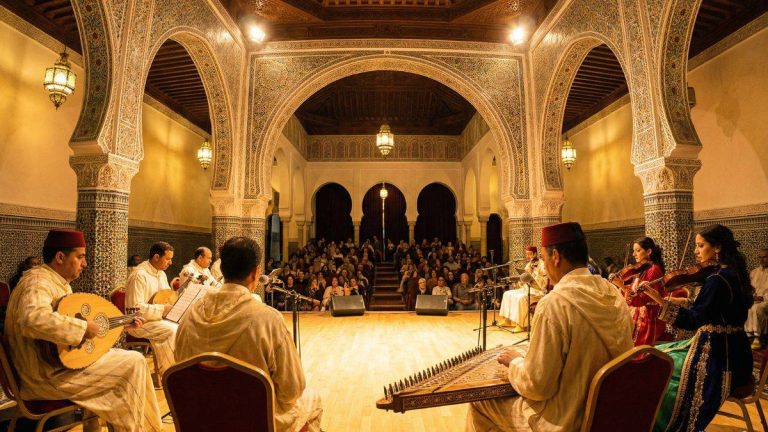
Similar values appear in Tangier’s music and dance traditions, where collective rhythm strengthens emotional release and connection.
Modern Life and Traditional Healing
While hospitals and pharmacies are widely used, traditional healing has not disappeared. Instead, it exists alongside modern medicine.
Many residents combine both approaches intuitively. They know when to seek medical care and when traditional remedies offer support.
This coexistence reflects Tangier’s broader cultural adaptability, where tradition evolves without losing its core.
Healing as Cultural Memory
Ultimately, healing practices in Tangier carry memory. They remind people of who they are, where they come from, and how care has always been shared.
Understanding this dimension allows travelers to approach these traditions with humility rather than curiosity alone.
Those interested in how the body is expressed and respected visually can continue exploring through Traditional Clothing of Tangier, where fabric, comfort, and dignity support well being.