
Agadir complette travel guide
I arrived in Agadir on a Tuesday in July with a backpack, a notebook, and no fixed plans beyond “listen.” By Friday, I was sharing bread with a Gnawa healer in a courtyard strung with lanterns, my shoulders lighter than they’d been in years. That’s the quiet power of Agadir’s festival scene, it doesn’t just entertain. It recalibrates. For travelers from the Delmarva Peninsula, where wellness often means sunrise walks on Rehoboth Beach or quiet moments in a Chesapeake garden, this coastal Moroccan city offers a different kind of restoration: one woven through rhythm, ritual, and real human exchange.
This guide isn’t a checklist. It’s an invitation to move through Agadir as a respectful guest, not a spectator. Whether you’re here for four days or two weeks, your journey will deepen when you align it with the city’s cultural heartbeat.
Why Agadir? Beyond the Beach
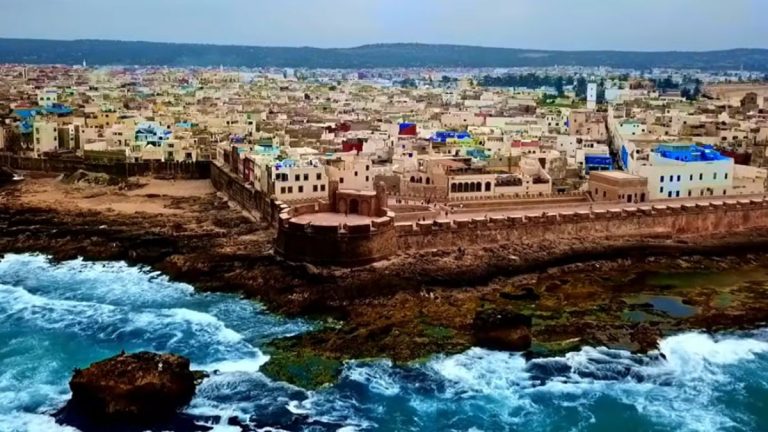
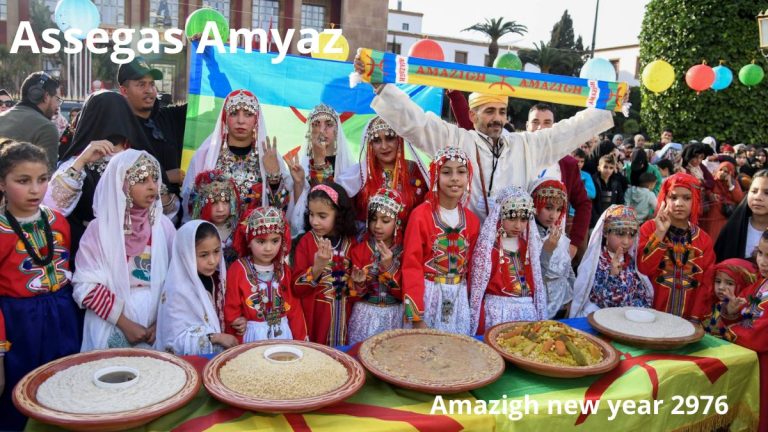
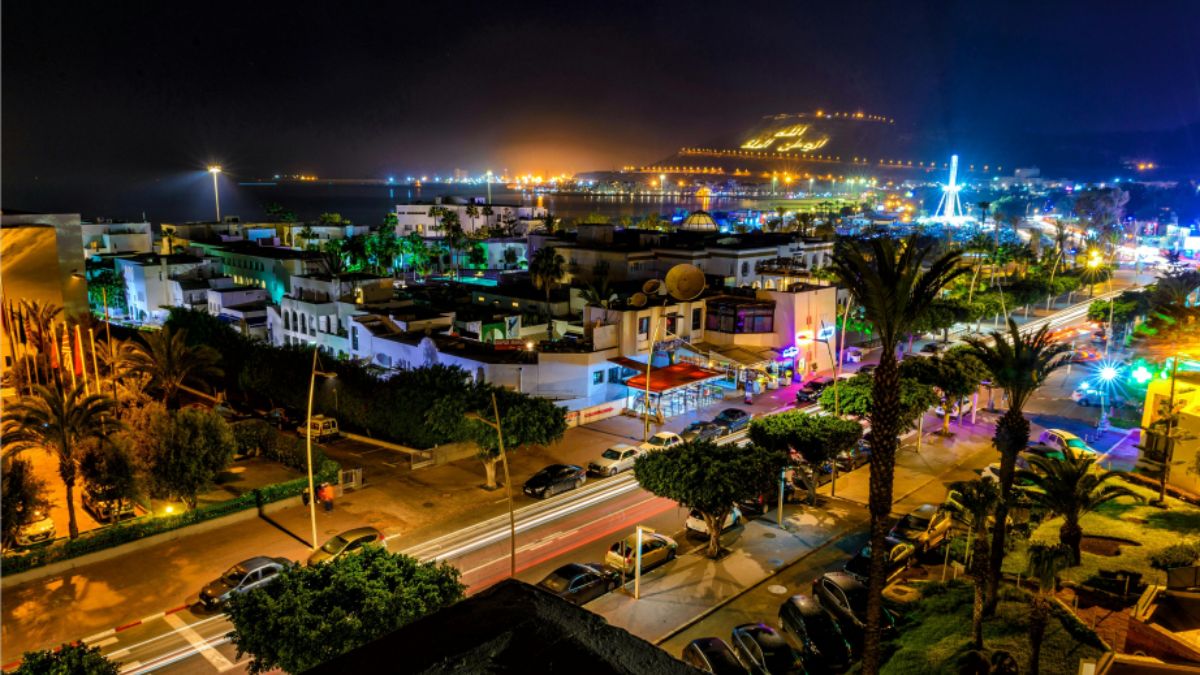
Yes, Agadir has golden sands and reliable sun. But its true gift lies inland and within. Nestled in the Souss Valley, the historic heartland of Amazigh (Berber) culture, the city pulses with traditions that predate empires. Modern Agadir rose from the 1960 earthquake with resilience, but it never lost its roots. Today, those roots surface most vividly during festivals, where music, food, craft, and spiritual practice converge in ways that nourish both body and soul.
Festivals That Feed the Spirit
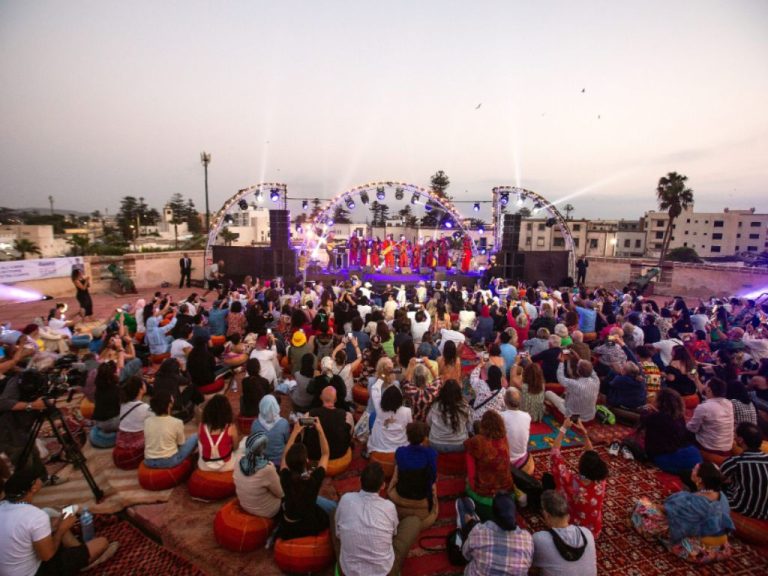
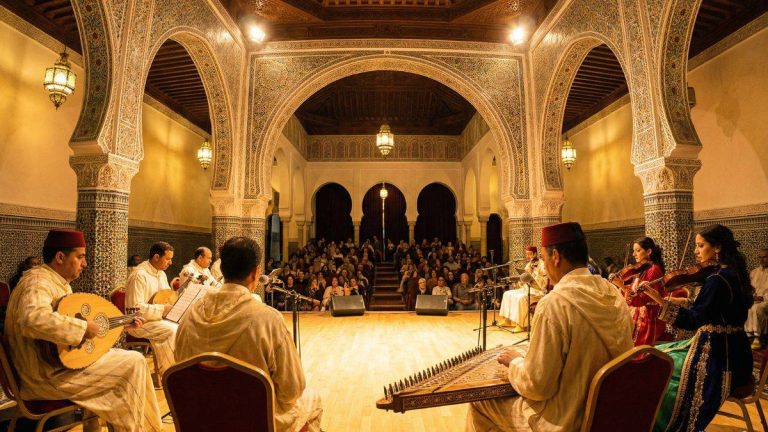
The anchor is Timitar Festival (mid-July), a world-renowned celebration of Amazigh identity and global music. Over four nights, artists from Senegal, Spain, Mali, and Morocco share stages along the Corniche. But the real magic happens offstage: in pop-up workshops on Berber poetry, communal dinners hosted by local families, and late-night drum circles on Taghazout beach. Come for the music, stay for the meaning.
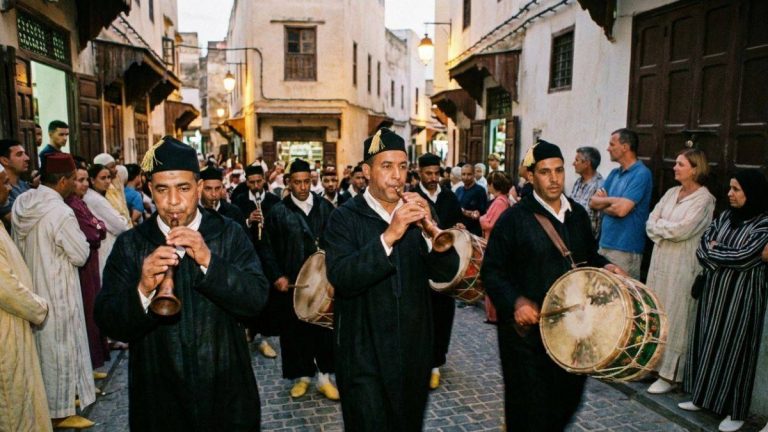
Equally profound are the spiritual moussems, local saint festivals held year-round but concentrated in spring (April–May) and autumn (September–October). These aren’t tourist events. They’re intimate gatherings centered on gratitude, healing, and community. You might witness Sufi dhikr ceremonies near Taroudant, or join a village feast under argan trees where elders bless the harvest. Approach with humility, dress modestly, and let silence speak when words fail.
Wellness Through Cultural Practice
In Agadir, wellness isn’t sold in spas, it’s lived. A traditional hammam isn’t just a bath; it’s a weekly ritual of cleansing and connection. An herbal tea isn’t just refreshment; it’s a gesture of welcome. During festival season, these practices deepen. Many guesthouses offer post-concert sound baths using bendir drums. Local cooperatives host argan oil making sessions where the rhythmic grinding becomes meditation. Even walking the rebuilt kasbah at dawn,with the Atlantic stretching endlessly below, feels like a form of breathwork.
Your Soul-Aligned Itinerary
3 Days: Arrive mid-week before Timitar. Explore the port market, visit the Amazigh Heritage Museum, attend one evening concert, and spend your final morning in a hammam followed by mint tea with a local artisan.
5 Days: Add a day trip to a village moussem (ask your guesthouse for current dates), join a weaving workshop, and end with a sunset walk along Plage d’Agadir.
7+ Days: Include a retreat-style stay in Taghazout for yoga and ocean reflection, then return to Agadir for Timitar’s closing night, a candlelit tribute to unity that leaves many in tears.
Practical Wisdom for Mindful Travelers
When to go: July for Timitar; April–May or September–October for spiritual moussems and fewer crowds.
Where to stay: Family-run guesthouses in Talborjt or Anza offer authenticity; avoid all-inclusive resorts if cultural connection is your goal.
What to pack: Light cotton clothing, a scarf (for sun and modesty), comfortable sandals, and an open schedule.
Etiquette: Always ask before photographing people. Accept tea when offered—it’s a bond, not a beverage. Learn “shukran” (thank you) and “bismillah” (in God’s name), small phrases that carry big respect.
FAQ:
Festivals and Spiritual Celebrations
Can I attend a private moussem?
If invited, yes. Never show up unannounced. Ask gently through your host or a local contact.
Is photography allowed during rituals?
Generally no, especially during prayer or dhikr. When in doubt, keep your phone away.
Do I need to speak Arabic or French?
No, but a few words in Tachelhit or Darija go far. More than language, presence matters.
Are these events safe for solo travelers?
Absolutely. Agadir is one of Morocco’s most welcoming cities, especially during festivals when community spirit runs high.
As I write this from my porch in Easton, the scent of salt marsh grass reminds me of Agadir’s sea breeze. But what stays with me isn’t the scenery, it’s the feeling of being seen, not as a tourist, but as a fellow human on a path. That’s the gift this city offers, especially during its festivals: not escape, but belonging.
If you’re ready to step into that rhythm, begin with intention. And if you’d like to understand how one of Agadir’s most powerful celebrations unfolds, explore The Rhythm of the Souss: Agadir Cultural Festivals Unveiled, where every beat carries a story, and every story invites you home.