
Learning to cook Moroccan food in Tangier transforms you from observer to participant in the city’s culinary culture. The difference between watching a tagine simmer and actually building the spice layers yourself changes how you understand the cuisine. Several riads, culinary schools, and private chefs offer classes that range from casual introductions to serious technical instruction.
What makes Tangier cooking classes different
Tangier’s position as a cultural crossroads influences its cooking instruction. You’ll find classes that incorporate Spanish and French techniques alongside traditional Moroccan methods. This reflects the city’s history and gives you broader skills than classes in more isolated Moroccan cities.Many instructors emphasize the social aspects of Moroccan cooking. Meals aren’t just about feeding bodies but bringing people together. Classes often include eating what you’ve prepared with the instructor and other students. This communal aspect mirrors how Moroccans actually cook and dine at home.The markets play a central role in most cooking experiences. Instructors take you shopping to select ingredients and explain quality indicators. Learning to choose the right eggplant for zaalouk or negotiate with spice vendors adds practical skills beyond just recipes.Classes typically run three to five hours depending on what you’re preparing. Half day experiences include market visits and cooking multiple dishes. Full day programs might incorporate cultural activities like visiting a hammam or exploring the kasbah between cooking sessions.
Riad cooking workshops in the medina
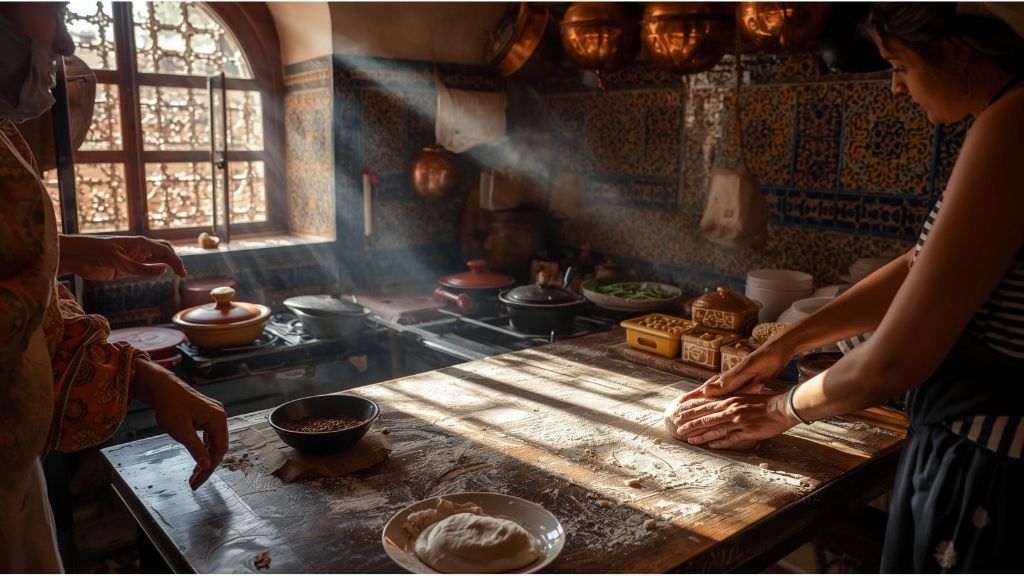
Several riads offer cooking classes in their traditional kitchens. These spaces feature original tilework, clay ovens, and cooking equipment that hasn’t changed much in decades. The setting itself teaches you about how moroccan home cooking developed around specific tools and spaces.Riad El Reducto runs popular half day classes that start at their neighborhood market. The instructor is a tangier native whose mother and grandmother taught her to cook. She knows vendors by name and they save special ingredients for her classes. The market portion alone justifies the class price as you learn to identify fresh herbs, select the best olives, and understand seasonal produce.Back at the riad you prepare a full meal that typically includes a salad like zaalouk or taktouka, a tagine, and fresh bread.
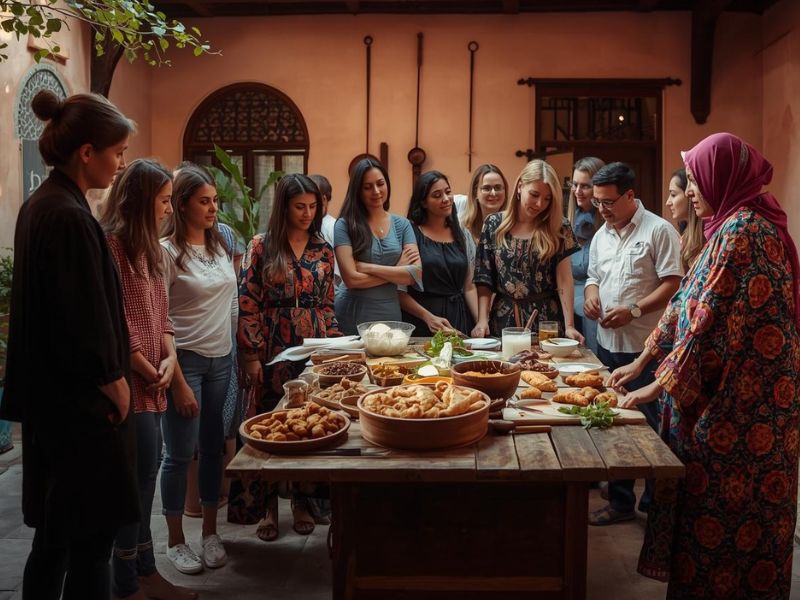
The instructor demonstrates each step then has you replicate it. She corrects technique gently and explains why certain methods matter. The emphasis stays on achievable home cooking rather than restaurant presentation.Class sizes stay small, usually four to six people maximum. This allows individual attention and ensures everyone gets hands on time. The intimate setting also encourages questions and conversation about moroccan food culture beyond just the recipes.Cost runs about 500 dirhams per person including all ingredients and the meal you prepare. Reservations require at least two days notice and you can request specific dishes if you have particular interests. They accommodate dietary restrictions with advance warning.
Professional cooking schools offer depth
Café Hafa Cooking School operates near the famous café and provides more structured instruction. The chef instructor trained in french culinary schools before returning to tangier to teach moroccan cuisine. His approach combines classical technique with traditional recipes.The morning market tour here goes deeper into ingredient knowledge. You’ll learn about different couscous grades, how to spot quality saffron versus fake, and the characteristics of various olive varieties. The chef treats the market as a classroom and expects students to engage actively.Kitchen instruction covers knife skills, spice toasting, and proper tagine use. The chef demonstrates professional techniques like how to bone a chicken efficiently or the correct way to roll couscous by hand. These skills transfer to other cuisines and make you a better cook overall.Classes here attract serious food enthusiasts and some professional cooks visiting tangier. The level of instruction reflects this audience with detailed explanations of chemistry and technique. If you want to truly understand why moroccan cooking works the way it does, this program delivers.Full day classes cost around 800 dirhams and include lunch plus recipes printed in english and french. Multi-day programs are available where you learn different dishes each day and take a deeper dive into moroccan cuisine. These run 2000 to 3000 dirhams depending on length.
Private chef experiences in modern homes
Some Tangier chefs offer classes in contemporary kitchens that blend traditional methods with modern equipment. Chef Samira operates from her apartment in the ville nouvelle and teaches intimate classes for two to four people. Her kitchen has a proper oven, food processor, and other tools that make techniques more accessible.Samira’s classes focus on achievable weeknight moroccan cooking adapted for western kitchens. She teaches you to make tagines in regular pots if you don’t own a clay tagine. Her couscous method uses a steamer basket instead of a traditional couscoussier. The food tastes authentic but the process fits into normal home cooking routines.She’s particularly good at teaching spice blending. You’ll make your own ras el hanout to take home and learn how to adjust spice levels to your taste. She demystifies moroccan cooking and makes it feel approachable rather than exotic and difficult.Samira charges 400 dirhams per person with a two person minimum. She offers themed classes focused on specific dishes like pastilla or bread making. Her schedule fills quickly so booking a week ahead is smart. She speaks excellent english and french.
Family cooking experiences connect you to tradition
A few tangier families open their homes to teach cooking in completely authentic settings. These aren’t professional instructors but home cooks sharing their family recipes. The experiences feel less polished but more genuine than commercial classes.Fatima’s family has lived in the kasbah for three generations. She teaches cooking in her home using recipes her grandmother taught her. The kitchen is small and traditional with limited equipment. You’ll cook on a gas burner or occasionally over charcoal if the weather permits outdoor cooking.The menu depends on what Fatima’s family would actually cook that week. This might mean chicken tagine with vegetables, fish with chermoula, or a vegetable couscous. You’re not choosing from a menu but participating in real family meal preparation. This authenticity makes the experience special.Fatima’s daughters often join the class and the cooking becomes a social event. You’ll drink tea, hear stories about the neighborhood, and learn tangier dialect phrases. The cooking instruction happens naturally within conversation rather than as formal lessons.These family experiences cost less, usually 300 to 400 dirhams per person. You find them through word of mouth or guesthouse recommendations rather than websites. The lack of commercial polish means some uncertainty but also more memorable interactions.
Bread making workshops teach fundamental skills
Moroccan bread appears at every meal and learning to make it properly opens understanding about the cuisine’s foundation. Several bakers offer workshops focused specifically on bread including khobz, msemen, and other regional varieties.A baker near the grand socco teaches morning classes in his small bakery. You arrive before dawn when he starts his ovens and work alongside him preparing dough. The physical process of kneading, shaping, and managing fermentation teaches you bread making fundamentals that apply to any baking tradition.
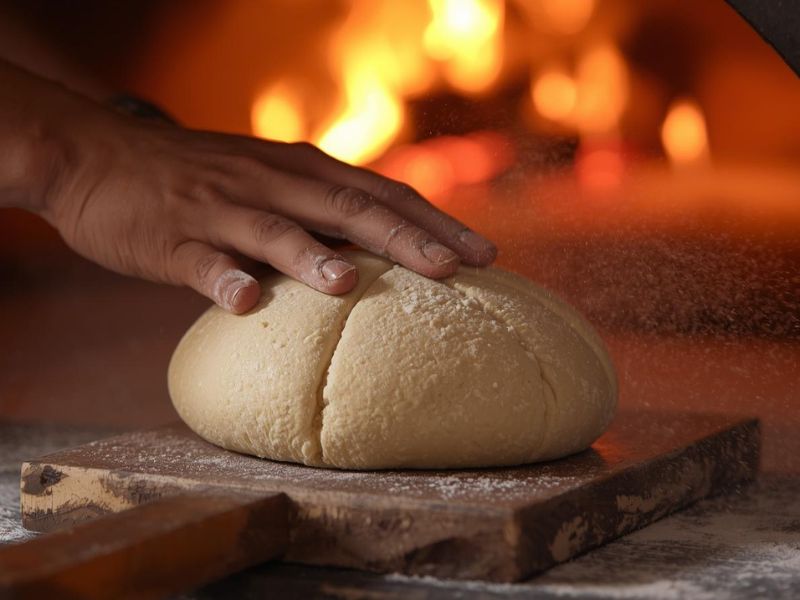
His wood fired oven reaches temperatures impossible in home ovens and the bread that comes out has a crust and flavor you can’t replicate electrically. He explains how bread baking adapted to available technology and how modern gas ovens change texture and taste.You’ll make several types of bread and take most of it with you. The class costs about 250 dirhams and runs roughly three hours. It’s physically demanding work so come prepared to stand and move. The baker speaks limited english but demonstrates clearly and uses a translator app when needed.
Pastry classes reveal Moroccan sweets
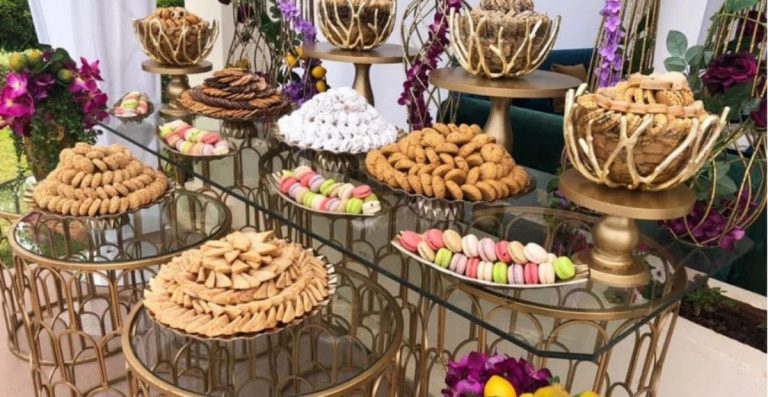
Moroccan pastries require different skills than savory cooking. The delicate warqa pastry for pastilla, the honey soaked chebakia, and almond filled gazelle horns each demand specific techniques. Pastry focused classes teach these specialized skills.A pastry chef in the medina offers afternoon workshops making traditional sweets. She trained in casablanca bakeries before opening her own shop in tangier. Her classes cover three or four different pastries in one session showing you the range of Moroccan sweet making.Working with phyllo thin warqa pastry challenges most students. The sheets tear easily and require gentle handling. The chef teaches you how to brush them with butter, layer them properly, and achieve the right texture after baking. Making pastilla from scratch gives you serious respect for the skill involved.Sessions include making tea properly because moroccan sweets pair with mint tea traditionally. You’ll learn the ceremonial pouring technique and how to balance tea, mint, and sugar. The pastries you make get packaged to take home though you’ll sample everything as you work.Cost is around 450 dirhams for a three hour session. Classes run in the late afternoon which works well if you’ve spent the morning sightseeing. The chef’s shop sells the pastries she makes daily so you can taste professional versions before trying them yourself.
What you’ll actually learn beyond recipes
Cooking classes teach you to taste critically and adjust seasoning. Moroccan cooking relies on balancing spices and understanding when a tagine needs more salt or another pinch of cumin. This skill transfers to all cooking and makes you more confident in the kitchen.You’ll understand the importance of time in moroccan cooking. Tagines can’t be rushed and couscous needs multiple steamings. American cooking culture often prioritizes speed but moroccan methods teach patience and how slow cooking develops flavor.Market skills improve your cooking everywhere. Learning to select quality produce and ingredients by sight and smell makes you a better shopper at home. You’ll notice things about freshness and seasonality that you overlooked before.The social aspects of cooking become clear through these classes. Moroccan meals involve multiple hands and shared labor. This communal approach to food preparation creates different dynamics than solitary cooking. Taking this lesson home might change how you involve family and friends in kitchen work.
Practical considerations for booking
Book classes well in advance especially during peak tourist seasons from march through may and september through november. Popular instructors fill their schedules weeks ahead. Last minute bookings sometimes work but limit your options.Specify dietary restrictions clearly when booking. Most instructors can accommodate vegetarian or gluten free needs with advance notice. Mentioning allergies ensures they plan appropriate menus. Moroccan cooking is generally flexible about substitutions.Wear comfortable clothes and closed toe shoes. Cooking involves standing, moving, and potential spills. Traditional kitchens might have uneven floors or low doorways. Leave fancy clothes at your hotel.Bring a notebook if you want to record recipes and techniques. Most instructors provide printed recipes but adding your own notes about technique and observations helps later when you try recipes at home. Photos and videos are usually welcome.Some classes include hotel pickup but many expect you to find the location yourself. Get clear directions and consider doing a practice walk the day before if the class is in the medina. Arriving stressed and lost isn’t ideal for learning.
What to do with your new skills
The recipes you learn work at home with some adaptation. You might not find preserved lemons locally but you can make them or order online. Most spices are available at international markets or specialty stores. Don’t let ingredient concerns stop you from trying the recipes.Invest in a tagine if you enjoyed cooking with one. They’re not expensive and add authentic flavor though the classes usually teach adaptations for regular pots. A couscoussier for steaming couscous is useful if you plan to make it regularly though steamer baskets work adequately.Share what you learned by cooking for friends and family. Moroccan food works well for entertaining because much of it can be prepared ahead. Demonstrating techniques you learned adds storytelling to the meal and makes the experience richer for your guests.Consider the cooking class as foundation for deeper exploration. You might discover you love moroccan baking and want to pursue that further. Or maybe tagine cooking becomes your specialty. The class plants seeds that can grow into lasting interests.
Beyond cooking into food culture
Many cooking instructors share stories about Tangier’s food history and how recipes evolved. These narratives connect you to the broader culture and help you understand why certain dishes matter socially and religiously. The food becomes more than just ingredients and technique.You’ll learn about meal timing and structure in moroccan households. Breakfast, lunch, and dinner follow different patterns than western meals. Understanding this context helps you appreciate the cuisine as part of daily life rather than restaurant experiences.Religious and seasonal influences on cooking come up naturally during classes. Ramadan foods, wedding dishes, and holiday specialties each have their place. Recognizing these connections shows how food ties into the rhythm of moroccan life.
Cooking classes in tangier teach you recipes but more importantly they teach you how to think about moroccan food. You leave with skills, printed recipes, and photos but the real value lies in understanding the culture behind the cuisine. The time spent in kitchens and markets with people who live this food tradition daily creates connections that last beyond your visit. For those wanting to explore how traditional techniques translate into contemporary dining, tangier’s modern fusion restaurants demonstrate innovative approaches while honoring culinary heritage.