
dakhla is often introduced through its landscapes and outdoor activities but its cultural depth is what gives the destination long lasting meaning. culture here is not staged or designed for visitors. it is lived quietly through daily routines hospitality language music and memory. understanding dakhla requires attention to the people who inhabit this space and to the traditions shaped by desert life and ocean proximity. this cultural dimension is an essential part of the complete guide to dakhla and the moroccan sahara.
The sahrawi identity and historical roots of dakhla
the culture of dakhla is deeply connected to sahrawi heritage. for centuries nomadic tribes moved across the desert following seasonal rhythms water sources and grazing land. this way of life shaped values based on resilience adaptability and solidarity.
oral history plays an important role in preserving identity. stories poems and family narratives are passed down through generations. these stories often speak about journeys survival hospitality and attachment to land. even today memory remains a living element of daily life.
dakhla has also been influenced by its coastal position. trade routes fishing and exchanges with other regions left traces in language customs and social structures. this mix between desert nomadic culture and ocean based livelihood creates a unique identity that cannot be reduced to a single definition.
historical awareness helps visitors understand why cultural expression in dakhla feels understated yet strong. this context forms a foundation within the complete guide to dakhla and the moroccan sahara.
hospitality as a core cultural value
hospitality in dakhla is not a performance. it is a deeply rooted social principle. welcoming guests is considered a duty and an honor regardless of social or economic status. visitors often experience this through simple gestures rather than formal rituals.
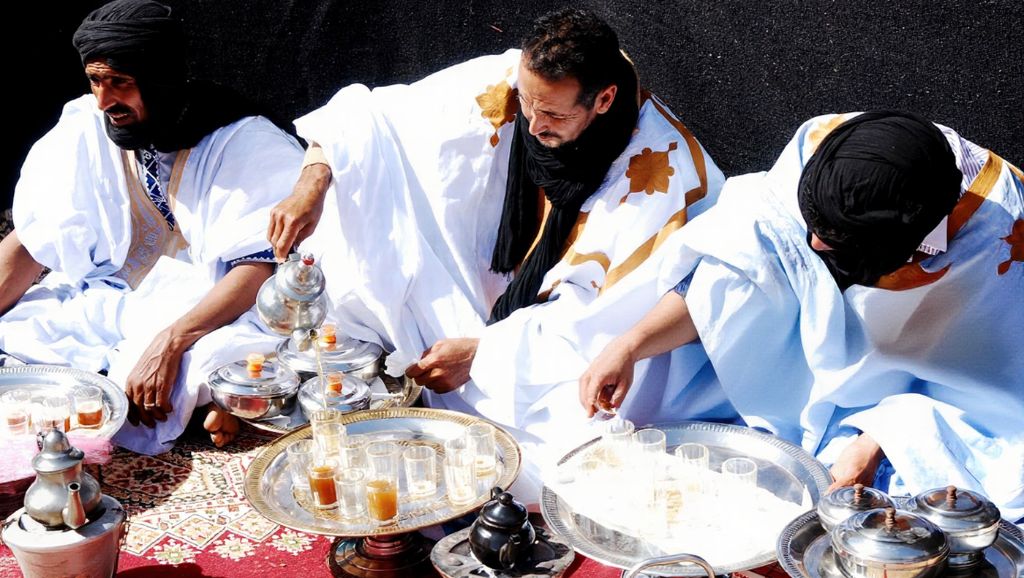
offering tea is one of the most common expressions of hospitality. tea is prepared slowly and served in multiple rounds. this moment creates space for conversation silence and connection. refusing tea is rare and usually interpreted as distance rather than preference.
hospitality also means sharing time. people in dakhla are generally unhurried. conversations are allowed to unfold naturally without strict schedules. this rhythm can feel unfamiliar to visitors but it reflects an alternative relationship with time shaped by desert life.
this cultural approach to hospitality adds emotional depth to travel experiences and supports the holistic narrative presented in the complete guide to dakhla and the moroccan sahara.
Music poetry and oral expression in sahrawi culture
music and poetry hold an important place in sahrawi culture. traditionally they served as tools for preserving history expressing emotion and strengthening social bonds. performances often take place during gatherings celebrations or family events.
poetry is especially valued. poems can speak about love exile land pride and endurance. poets are respected figures within the community and their words carry collective meaning. rhythm repetition and metaphor are commonly used to reinforce memory.
musical instruments are simple but expressive. percussion and string based sounds dominate creating hypnotic and repetitive patterns. music is often accompanied by clapping and group participation which reinforces community connection.
these forms of expression continue to evolve while remaining rooted in tradition. they represent the intangible heritage of the region and enrich the cultural framework of the complete guide to dakhla and the moroccan sahara.
traditional clothing and symbolism
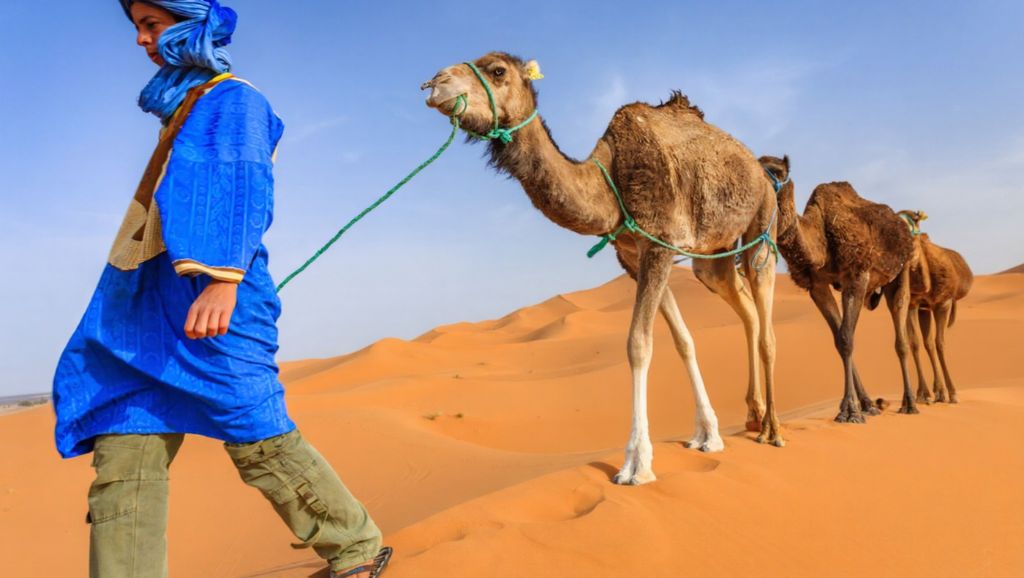
clothing in dakhla reflects both environmental adaptation and cultural identity. traditional garments are designed to protect against sun wind and sand while allowing airflow and comfort.
the daraa is one of the most recognizable garments worn by men. its loose shape and light fabric suit desert conditions. colors can vary but blue and white are common. wearing the daraa is both practical and symbolic representing continuity with nomadic heritage.
women traditionally wear the melhfa a long flowing cloth wrapped around the body. it offers protection and flexibility and allows personal expression through color and pattern. the way it is worn can reflect age occasion or regional style.
clothing is not worn as a costume but as part of daily life. observing it in context provides insight into how culture adapts to environment. this everyday symbolism strengthens the cultural dimension of the complete guide to dakhla and the moroccan sahara.
Artisan crafts and local know how
artisan crafts in dakhla are closely linked to nomadic traditions and available resources. items are often handmade using techniques passed down through generations. functionality is valued as much as beauty.
leatherwork is common especially for bags sandals and decorative objects. patterns are usually simple but meaningful. weaving is also present particularly in the production of rugs and textiles used in tents or homes.
craftsmanship reflects patience and respect for materials. production is slow and intentional. objects are created to last and to serve practical purposes rather than decoration alone.
buying local crafts supports cultural continuity and provides economic value to artisans. it also allows visitors to take home meaningful objects connected to the region. these practices align naturally with the values explored in the complete guide to dakhla and the moroccan sahara.
Daily life rhythms in dakhla
daily life in dakhla moves at a pace shaped by climate and environment. mornings are often active while afternoons slow down due to heat. evenings become social moments when families gather and public spaces come alive.
markets small shops and cafés serve as social hubs. conversations are casual and unstructured. people greet each other frequently reinforcing community bonds. this openness makes it easy for visitors to feel included.
religion also plays a role in structuring daily routines. prayer times mark the day and provide moments of pause reflection and collective rhythm. these practices are integrated naturally without overt display.
observing daily life offers a realistic understanding of the region beyond tourism narratives. this perspective is essential to the balanced view presented in the complete guide to dakhla and the moroccan sahara.
The relationship between culture land and memory
in dakhla culture cannot be separated from land. desert ocean and sky are not backdrops but active participants in shaping identity. memory is tied to specific places routes and natural markers.
stories often reference dunes wells coastal points and campsites. land becomes a living archive of experience and history. displacement or environmental change therefore carries emotional weight.
this deep connection influences how people speak about belonging and future. it also explains the strong attachment many feel toward the region despite its isolation or harsh conditions.
understanding this relationship helps travelers approach dakhla with respect and awareness. it deepens the cultural insight provided in the complete guide to dakhla and the moroccan sahara.
how culture completes the experience of dakhla and the moroccan sahara
culture is what transforms a visit to dakhla into a meaningful journey. landscapes attract attention but traditions values and human connection create lasting impressions.
this satellite article focuses on cultural and social dimensions while remaining linked to the complete guide to dakhla and the moroccan sahara which offers broader context and practical guidance. together they form a complete and respectful representation of the destination.