
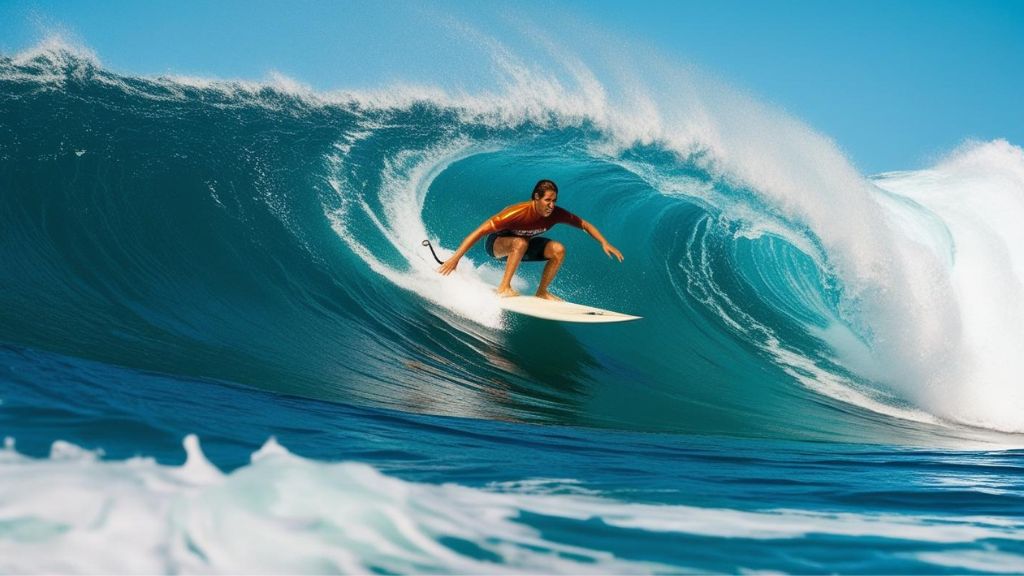
The lineup at Essaouira’s main beach around eight in the morning looks like Santa Cruz transplanted to North Africa. Wetsuit-clad figures bob beyond the break, salt-crusted boards tucked under arms as they paddle back out after catching rides. The universal surf shuffle happens here too, that particular walk surfers do when carrying boards and watching sets roll in. The main difference between this scene and California breaks I’ve surfed for years is the price of the post-session meal and the fact that ancient Portuguese ramparts frame your view instead of Highway 1.
Why Essaouira earned its wind city nickname
Essaouira sits on Morocco’s Atlantic coast where consistent trade winds create conditions surf schools dream about. The town earned nicknames “Wind City of Africa” and “Windy City” not as complaints but as geographic facts that shaped local culture and economy for centuries. These same winds that once filled trading ships now fill kites and sails belonging to wave riders from around the world.The wind blows strongest April through October with peak conditions June through September. During summer months you’ll see dozens of kites filling the sky above the water creating a visual spectacle that rivals any California surf town. The reliable wind means beginners get consistent conditions for learning while advanced riders find the challenge they seek without the unpredictability that frustrates progression.
Water temperatures hover between 64 and 68 degrees Fahrenheit year-round which translates directly to California central coast conditions. Your 3/2 wetsuit works perfectly here though most California surfers pack a 4/3 for dawn patrols or winter sessions. The similarity in water temp means your body doesn’t have to adjust to tropical warmth or frigid cold, you show up ready to surf.
Comparing breaks to California spots
The main beach handles beginners and intermediate surfers with beach breaks that reform consistently. Think Santa Monica or Huntington Beach energy where you can work on fundamentals without heavy local pressure. The waves rarely get massive but they offer plenty of rides for building skills and enjoying ocean time without stress.Advanced surfers and those seeking less crowded conditions drive twenty minutes south to Sidi Kaouki. This spot compares favorably to less-known Baja breaks or uncrowded central coast points. The setup works best at mid to high tide with the right swell direction. Local surfers guard this spot loosely which means visitors who show respect get welcomed into the lineup.
What California surfers notice immediately is the lack of crowd aggression. Essaouira hasn’t reached the saturation point where every wave gets fought over. Locals share willingly, visitors can actually catch waves, and the vibe stays friendly because tourism hasn’t overwhelmed surf culture yet. It feels like California must have felt thirty years ago before crowds became the defining feature of every decent break.
Kite and windsurfing dominate the scene
While traditional surfing exists and thrives in Essaouira, kitesurfing really defines the water sports culture here. The consistent wind that can frustrate regular surfers becomes perfect for kite riders. The beach fills with colorful kites during peak season creating energy similar to Hood River or Maui’s north shore.Multiple kite schools operate with English-speaking instructors, many of whom learned teaching methods in California, Australia, or Europe. ION CLUB and Explora Watersports offer week-long packages that include equipment, instruction, and often accommodation for $400 to $600 total. Compare that to similar programs in California which run $1,000 to $1,500 minimum and the value becomes obvious.
The learning curve for kitesurfing is steep but the conditions here provide ideal progression opportunities. Beginners work in shallow water near shore with steady wind while advanced riders launch off waves further out. The beach setup allows for safe practice without boat traffic, jet skis, or the hazards that complicate learning in busier locations.Windsurfing also maintains strong presence with dedicated zones marked for different skill levels. Older California surfers who grew up windsurfing in the 80s find themselves drawn back to the sport here because conditions remind them why they loved it originally before kitesurfing took over.
Post surf nutrition done right
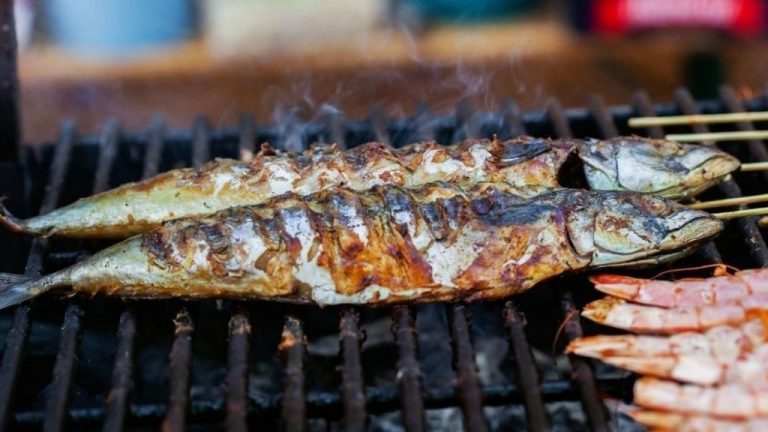
The biggest surprise for California surfers isn’t the waves or wind but the post-session food situation. Instead of $15 acai bowls or $12 avocado toast, you get grilled sardines packed with omega-3s for $3. The fish came off boats that morning, hit the charcoal grill minutes before you ordered, and delivers more performance nutrition than any supplement.Sardines fresh from Atlantic waters taste nothing like the canned version. They’re plump, rich, and when grilled simply with salt and lemon they provide everything your body needs after a session. High quality protein, essential fatty acids, B vitamins, and minerals all in a package that costs less than a protein bar back home.The sardine sandwich has become post-surf ritual for both locals and visiting surfers. Round Moroccan bread gets stuffed with grilled sardines, fresh tomatoes, onions, lettuce, and harissa if you want heat. The combination works perfectly as recovery food, substantial enough to satisfy hunger without the heaviness that makes you want to nap instead of explore.
Several beachside spots understand surfer nutrition needs. Ocean Vagabond serves smoothie bowls, avocado toast, and other California-familiar options using local ingredients. Their acai equivalent uses local berries and the presentation could work on any Venice Beach menu. The difference is cost, everything runs about one third of California prices.
The surf yoga connection thrives here
Multiple operations combine surf instruction with yoga classes following the model successful in Nosara, Sayulita, and other warm water destinations. The combination makes sense because surfing demands flexibility, balance, and breath control that yoga develops. Having both in one package appeals to California wellness travelers who view fitness holistically.
Explora Watersports runs week-long surf and yoga retreats from April through October. Mornings start with sunrise yoga on the beach or rooftop terrace depending on wind. After breakfast you head out for surf sessions timed with optimal tide and wind conditions. Afternoons bring either more surf time or restorative yoga depending on energy levels and weather.The all-inclusive packages run $600 to $800 per week including accommodation in shared rooms, meals, surf instruction, equipment, and daily yoga classes. Compare this to similar retreats in California or Central America charging $1,500 to $2,500 for equivalent offerings. The value proposition becomes impossible to ignore especially for California residents dealing with high cost of living at home.What makes these programs work isn’t just affordability but the instructors’ understanding of what California wellness seekers want. They know how to balance challenge and restoration, when to push and when to back off, and how to create community without forced bonding exercises. The vibe feels authentic rather than manufactured.
Athletic nutrition beyond sardines
The growing surf and kite community means more cafés now serve performance foods California athletes consider essential. Protein bowls, complex carb options, anti-inflammatory ingredients, and proper portion timing show up on menus with increasing frequency.
La Fromagerie offers salads with local goat cheese that rivals California artisan cheese quality. Their rooftop location provides sunset views while you refuel with quinoa, roasted vegetables, and grilled fish. The menu understands macronutrient balance without being preachy about it.
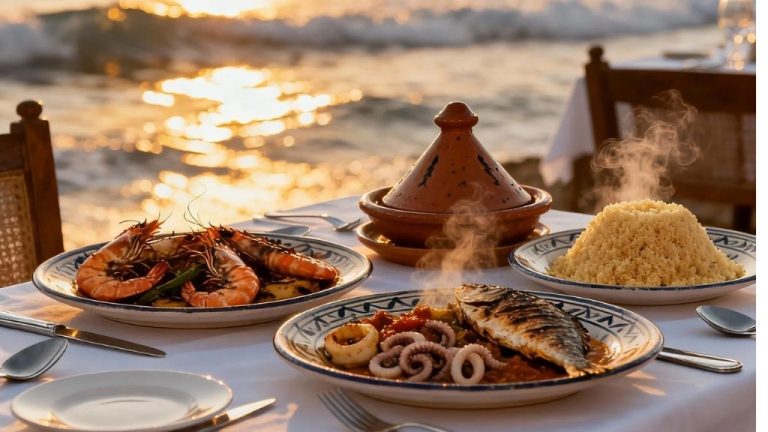
Several juice bars make fresh smoothies using local fruits, imported superfoods, and creative combinations. The prices remain laughably low compared to California, usually $3 to $5 for large smoothies that would cost $12 to $15 at home. The ingredients are fresh, the combinations work, and nobody tries to sell you supplements alongside your drink.For surfers wanting substantial meals, multiple restaurants grill fresh fish or prepare tagines with lean proteins and vegetables. The traditional Moroccan diet already emphasizes olive oil, fish, vegetables, and whole grains making it naturally aligned with performance nutrition without requiring special requests or substitutions.
Seasonal considerations for California surfers
Peak surf season runs April through October with September and October offering the best combination of warm air temperatures, decent water temps, and consistent swell. This timing works perfectly for Californians because it coincides with fall when many take vacation time and home breaks get crowded.Summer months bring the most wind and heat but also the largest crowds of European tourists. July and August see beach towns fill up and prices rise slightly though nothing approaches California summer pricing. Booking accommodation in advance becomes necessary during these peak months.
Winter brings bigger swells and fewer tourists but colder conditions. Air temperatures drop into the 60s and water stays around 64 degrees. California surfers from central or northern coast won’t find this challenging but those accustomed to warmer southern California waters might want thicker wetsuits.Spring shoulder season in April and May offers great conditions without summer crowds. The water hasn’t warmed completely but wetsuits handle it fine. This timing also works well for California travelers wanting to escape before summer heat arrives at home.
Community feel California lost
What strikes California surfers most about Essaouira isn’t the waves or wind but the community feel. You see the same faces at the beach each morning, share beta on conditions, and naturally develop friendships through repeated sessions. The competitive aggression that defines California lineups simply doesn’t exist here yet.Locals welcome visitors who show respect and genuine interest in the culture. This openness extends beyond the water into cafés and restaurants where surfers gather between sessions. The small town size means you keep running into people creating the tight-knit vibe California surf towns lost as they grew.Several California surfers have relocated here semi-permanently, working remotely from riads and surfing daily. They live the dream that became financially impossible at home where housing costs and crowded breaks made the surf lifestyle unsustainable for anyone without serious money. In Essaouira your California rent covers three months of living expenses leaving money and energy for actually surfing instead of working to afford to live near surf.The community includes mix of Moroccan locals, European expats, and visiting surfers creating cultural exchange that enriches the experience beyond just wave riding. You learn Arabic phrases, hear about local spots, understand the fishing culture that sustains the town, and realize surfing connects to larger systems of ocean relationship.
Essaouira proves surf culture can exist without the aggressive localism and overcrowding that plagues California breaks. The waves and wind draw you initially but the community and lifestyle keep you coming back. For West Coast surfers tired of fighting for scraps at home breaks, this Atlantic town offers reminder of what surf culture felt like before it became commodified and competitive beyond reason. If you’re ready to explore how this coastal wellness extends beyond the waves into other aspects of Moroccan life, the plant-based dining scene demonstrates another way Essaouira mirrors California values at accessible prices.