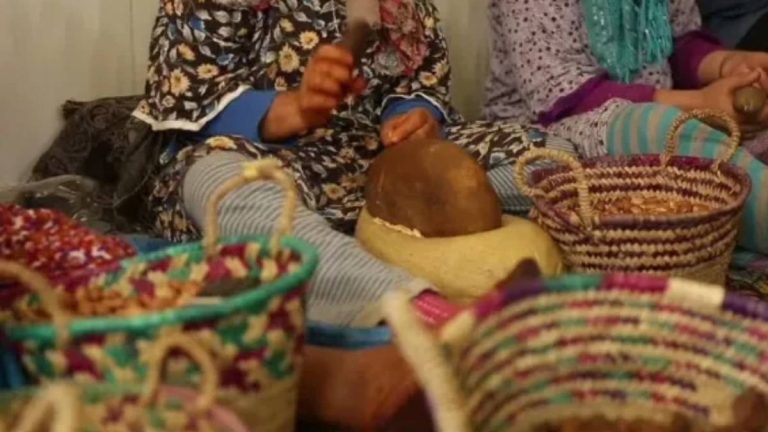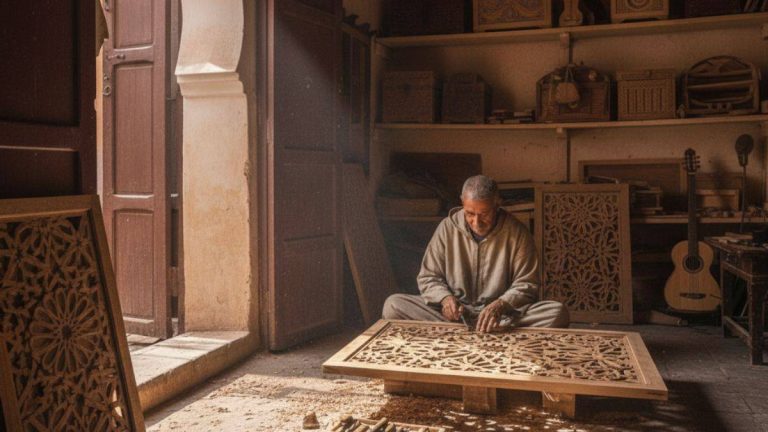

In Marrakech, healing is not treated as an emergency response or a separate practice reserved for moments of breakdown. It is a continuous process embedded in daily life, shaped by memory, belief, and inherited knowledge that has traveled quietly across generations. The city itself encourages this approach. Its pace resists urgency, inviting attention, patience, and sensory awareness. Healing unfolds here through steam, scent, rhythm, touch, and prayer, carried by gestures so familiar they often go unnoticed.
Rather than isolating symptoms or seeking immediate solutions, Marrakech frames well-being as balance. Physical discomfort, emotional fatigue, spiritual unease, and social disconnection are understood as interconnected states. To restore harmony, one must tend not only to the body but also to memory, environment, and communal rhythm. This worldview is inseparable from the city’s broader cultural fabric, deeply explored in Traditions of Marrakech: Living Heritage in the Red City, where daily practices are shown not as relics of the past but as living systems of care.
Healing in Marrakech exists at the intersection of body, spirit, and place. It is neither mystical abstraction nor clinical procedure. It is lived knowledge, practiced quietly in homes, hammams, markets, mosques, and workshops, carried forward because it continues to serve real human needs.
The Hammam as a Ritual of Renewal
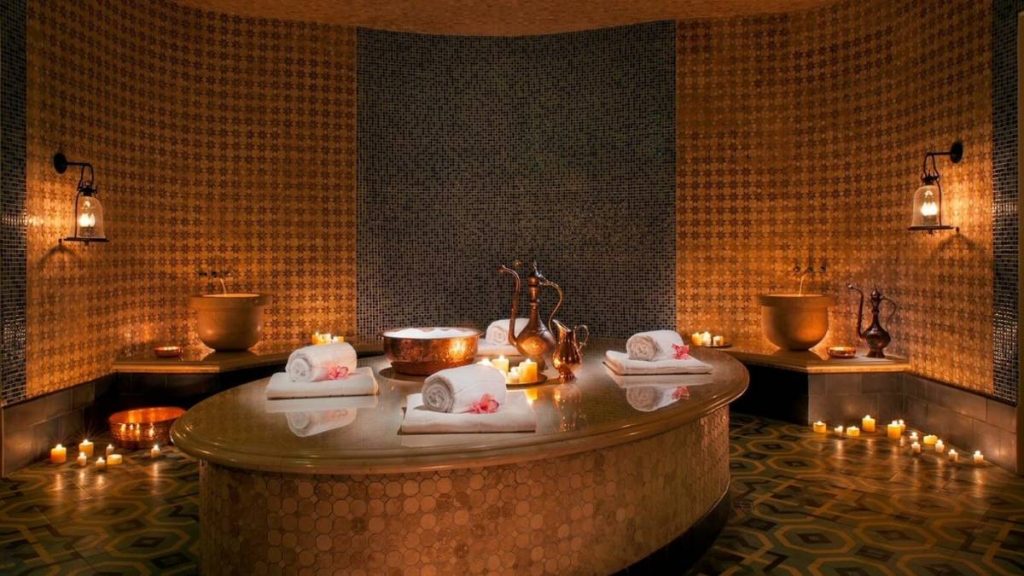
The traditional hammam is one of Marrakech’s most enduring healing spaces, yet its role extends far beyond cleanliness. Entering a neighborhood hammam is a weekly ritual of release and recalibration. The sequence is simple and deliberate: warmth prepares the body, heat opens it, water cleanses it, and rest allows it to settle. Each step mirrors a philosophy of gradual transformation rather than force.
The materials used in the hammam are chosen with care and intention. Black soap softens the skin and loosens impurities. The kessa glove stimulates circulation and removes what no longer serves the body. Ghassoul clay absorbs excess and grounds the senses. These elements are not cosmetic trends but inherited tools shaped by centuries of observation and use.
Equally important is the social atmosphere. Hammams are communal spaces where time slows down. Conversations unfold without urgency, silences are comfortable, and care is shared rather than individualized. Healing happens quietly as muscles release tension, breathing deepens, and the mind lets go of accumulated strain. Leaving the hammam, many describe not only physical lightness but emotional clarity and renewed patience.
This logic of repetition, warmth, and rhythm reflects a broader Moroccan understanding of restoration, echoed in artistic and ritual expressions across the city. The same sensibility appears in craftsmanship, where repetition and attention to material create harmony, a connection explored further in Arts & Crafts Of Marrakech, where making and healing follow parallel paths of continuity and care.
Herbal Knowledge and the Language of Plants
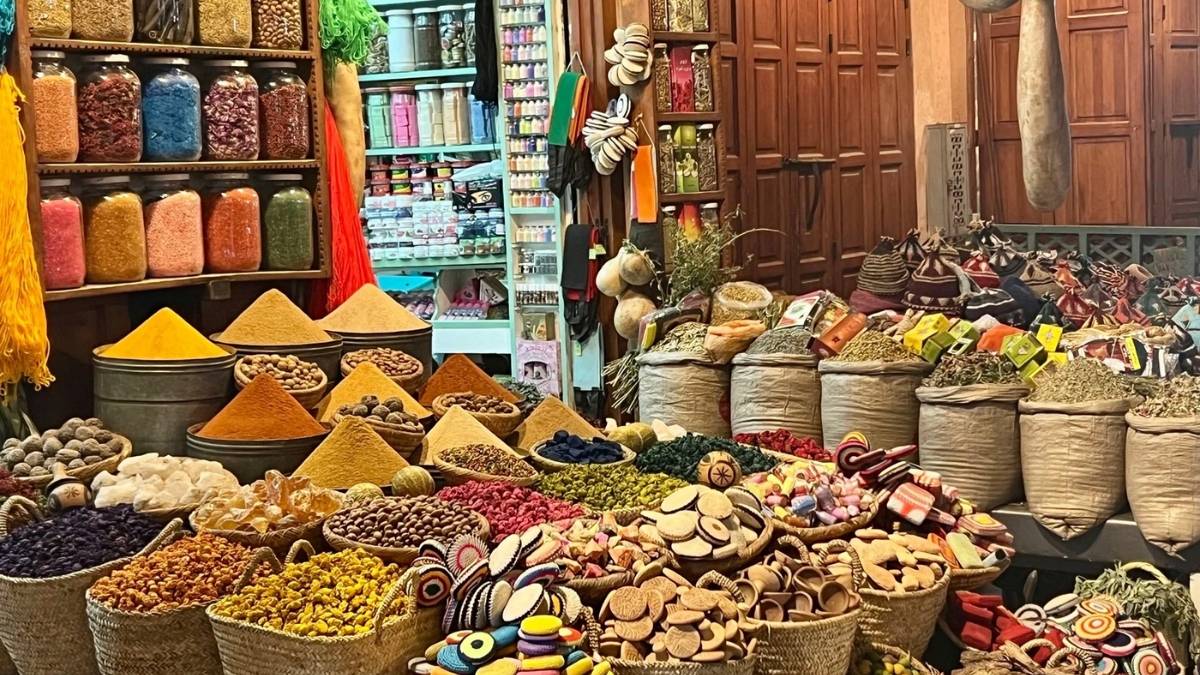
Throughout Marrakech, herbalists maintain a form of knowledge that bridges medicine, spirituality, and daily practice. Their shops, dense with roots, seeds, leaves, resins, and powders, function as informal archives of collective memory. Each plant carries both physical properties and symbolic associations, and remedies are rarely reduced to single ingredients or standardized formulas.
Rose petals are used to calm the heart and lift emotional heaviness. Argan oil nourishes skin and joints while protecting against dryness and fatigue. Sage, thyme, and eucalyptus cleanse the respiratory system while also carrying protective meanings rooted in local belief. These remedies are adapted to individuals, taking into account temperament, season, lifestyle, and emotional state.
Herbal healing in Marrakech rarely exists in isolation. Advice often extends to sleep patterns, diet, rest, and spiritual grounding. This reflects a worldview in which imbalance is rarely attributed to a single cause. Healing becomes a conversation rather than a prescription, shaped by listening and adjustment rather than diagnosis.
This holistic logic aligns with the broader cultural patterns described in Traditions of Marrakech: Living Heritage in the Red City, where scent, sound, and material culture function together as carriers of meaning and care.
Spiritual Healing and the Role of Intention
Spiritual healing in Marrakech is deeply woven into everyday life and does not always take the form of formal ceremonies. Often it begins with intention expressed through prayer, Qur’anic recitation, or quiet reflection. Neighborhood mosques and zawiyas offer spaces where individuals seek calm, grounding, and release from emotional burdens rather than dramatic intervention.
Some families consult fqihs, spiritual guides who work through recitation, symbolic gestures, and focused intention to address disturbances believed to arise from fear, envy, or emotional shock. Regardless of belief system, these practices emphasize restoration of harmony rather than identification of fault. Healing is framed as realignment, not correction.
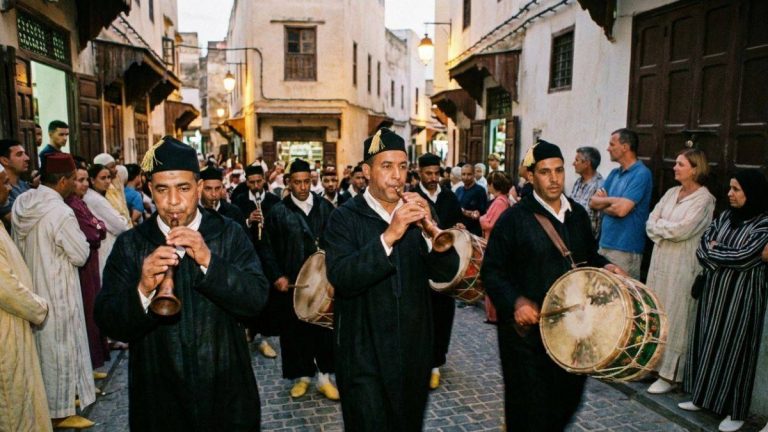
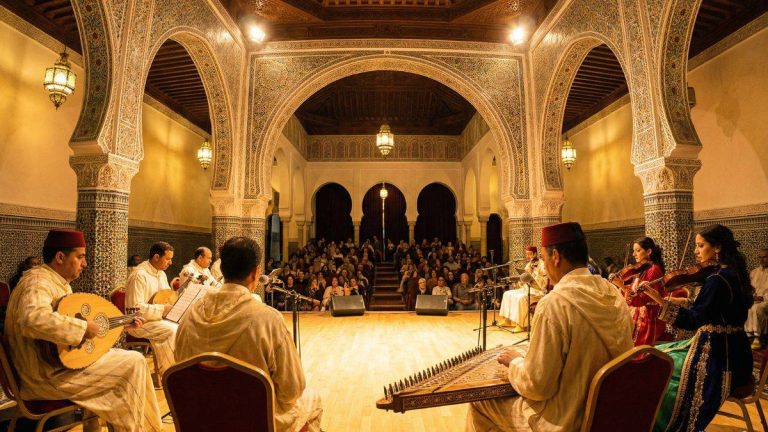
Sound plays a central role in this process. Repetition, rhythm, and voice regulate emotional states and bring attention back to the present moment. This auditory dimension connects spiritual healing to other cultural expressions in Marrakech, where music, chant, and craft share a common reliance on rhythm and continuity.
Bodywork, Touch, and Tactile Memory
Traditional massage in Marrakech approaches the body as a repository of memory. Stress, grief, and fatigue are understood to settle into muscles, joints, and breath patterns over time. Healing through touch focuses on slow, deliberate movements rather than force, allowing the body to respond at its own pace.
Oils infused with argan, herbs, or amber are used not only for lubrication but for their grounding and warming properties. Sessions often unfold in silence, emphasizing presence over explanation. The practitioner listens with their hands, responding to tension and release without imposing a narrative.
While many riads and wellness centers now offer adapted versions of these practices, the most authentic experiences remain in modest neighborhood settings where massage is viewed as care rather than luxury. Here, healing retains its original purpose: to restore ease and continuity rather than to impress or entertain.
Healing Through Rhythm, Time, and Routine
One of Marrakech’s most subtle yet powerful healing practices lies in rhythm itself. Daily life follows cycles that regulate the nervous system and anchor individuals within time and community. Calls to prayer mark transitions between states of activity and rest. Markets open and close predictably. Meals and gatherings follow familiar patterns.
These rhythms provide stability in a world often defined by fragmentation and urgency. They remind individuals when to pause, when to engage, and when to withdraw. Even silence has a place, offering space for reflection and recalibration.
On a larger scale, festivals, seasonal rituals, and communal gatherings extend this rhythm beyond the individual. Healing becomes shared, renewed collectively, and reinforced through repetition rather than novelty. This continuity explains why these practices endure not as preserved traditions but as functional systems that continue to meet human needs.
Approaching Healing Practices as a Visitor
For visitors drawn to Marrakech’s healing traditions, respect and patience are essential. These practices are not performances or products but relationships shaped by trust, time, and context. Entering them requires observation rather than expectation.
Modest dress, permission before photographing, and acceptance of partial understanding are signs of respect. Not every practice will be explained, and not every experience will translate immediately. Often, meaning reveals itself gradually through participation rather than instruction.
Those willing to slow down and engage with openness often discover that healing in Marrakech is less about transformation and more about reconnection. It reconnects individuals with their bodies, their environment, and rhythms that modern life frequently obscures.
Healing in Marrakech is not a destination or a service. It lives in steam rising from hammams, in whispered prayers, in herbal mixtures prepared without haste, and in hands shaping material with care. These practices persist because they work, addressing the full human experience without fragmentation. For those attentive enough to listen, the city offers not escape, but balance.