
Marrakech does not preserve its traditions behind glass. They move through the city quietly, embedded in routine, gesture, and habit. You encounter them not as performances but as patterns repeated daily: the way bread is carried home under an arm, the way greetings unfold slowly, the way shade is sought instinctively by mid-afternoon.
What gives Marrakech its depth is not spectacle, but continuity. Tradition here survives because it is lived, not announced.
To understand the city, one must pay attention to what appears ordinary.
The Rhythm of Daily Life
Marrakech follows a rhythm shaped by climate, prayer, and human interaction. Mornings begin early, before heat settles into the streets. Shops open gradually. Conversations unfold over mint tea. By midday, movement slows. Afternoons are for rest, interior spaces, and patience.
This rhythm is not accidental. It reflects centuries of adaptation to environment and community needs. Time bends around people rather than the reverse.
Visitors who move too quickly often miss this cadence. Those who adjust begin to notice how daily life aligns with inherited wisdom rather than modern urgency.
Markets as Social Memory
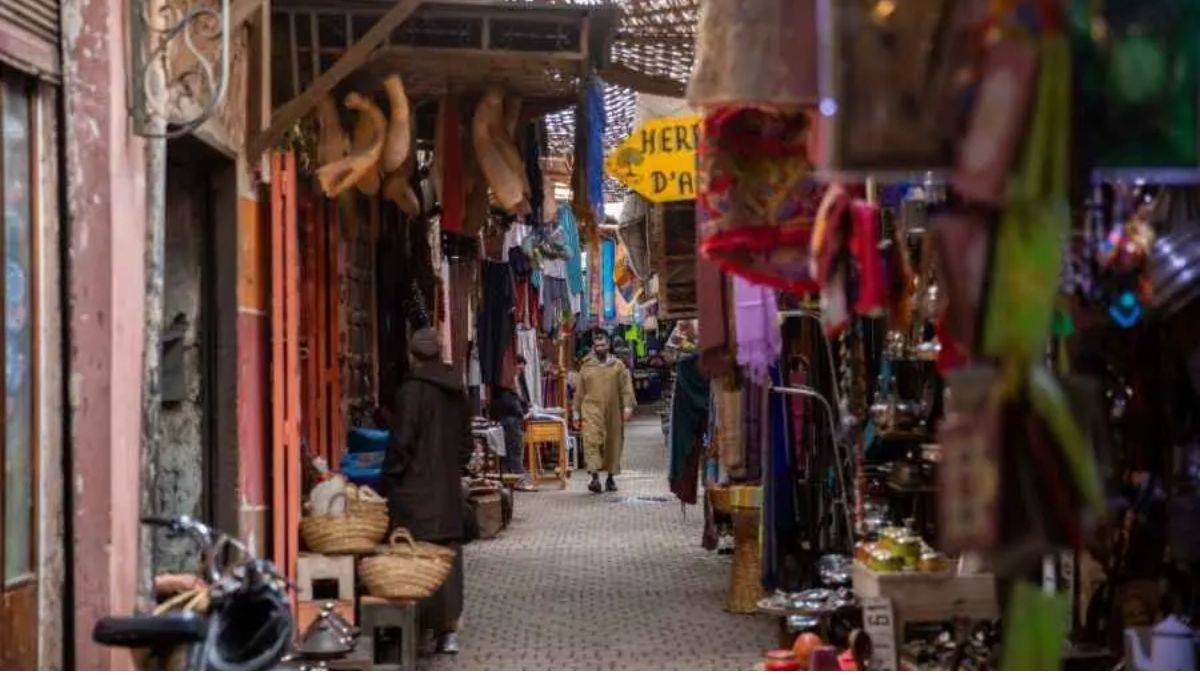
The souks of Marrakech are not merely places of exchange. They are social spaces where memory circulates alongside goods. Vendors often sell what their parents sold. Techniques, phrases, even jokes repeat across generations.
A spice seller measures by feel, not scale. A leather worker cuts without tracing. These gestures are learned through observation, not instruction.
Markets function as living archives. Knowledge is preserved not through documentation but through repetition, embodied in hands that remember what the mind does not need to name.
This everyday continuity reflects the broader cultural framework explored in Traditions of Marrakech: Living Heritage in the Red City, where heritage survives through practice rather than preservation.
Domestic Traditions Behind Closed Doors
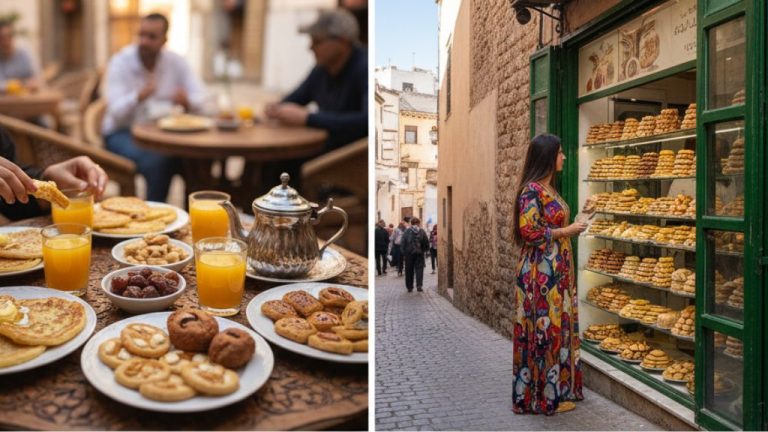
Much of Marrakech’s cultural life happens privately. Inside homes, traditions unfold without audience. Meals follow inherited rhythms. Ingredients are chosen with intention. Certain dishes appear on specific days, tied to family habit rather than written rule.
Hospitality remains central. Guests are received slowly, never rushed. Refusing tea requires explanation. Accepting food, even modestly, affirms connection.
These domestic rituals rarely change, even as furniture modernizes or appliances appear. Tradition adapts, but its core remains intact.
Craft as Everyday Function
Craft in Marrakech is not decorative by default. Objects are made to be used. Ceramics hold water. Textiles provide warmth. Metalwork secures doors.
What distinguishes these crafts is not ornament, but relationship. Makers understand how objects will live within homes, markets, and bodies. Beauty emerges through function refined over time.
Craft traditions survive because they remain relevant. They respond to daily needs, not nostalgia.
This functional continuity allows tradition to evolve naturally rather than fracture under modern pressure.
Language, Gesture, and Unspoken Codes
Much of Marrakech’s tradition is communicated without words. A pause before speaking signals respect. Lowered eyes soften disagreement. Silence carries meaning.
Language itself shifts by context. Formal Arabic, dialect, and French coexist fluidly. Choosing which to use reflects awareness rather than hierarchy.
These unspoken codes guide interaction more effectively than rules. They are learned slowly, through observation and correction.
Visitors who listen more than they speak often navigate these spaces with greater ease.
Clothing as Quiet Belonging
Traditional clothing in Marrakech blends seamlessly into daily life. Djellabas, kaftans, and head coverings are worn for comfort, climate, and dignity rather than display.
Fabrics breathe. Cuts allow movement. Colors reflect season more than trend.
Clothing here does not signal costume. It signals continuity. Even when modern styles appear, traditional forms persist alongside them without tension.
Dress becomes a language of belonging rather than identity performance.
Food as Inherited Knowledge
Cooking in Marrakech is guided by memory rather than measurement. Recipes are adjusted by instinct. Taste, texture, and aroma matter more than precision.
Meals often require time. Slow cooking reflects patience rather than inconvenience. Food nourishes not only the body but social bonds.
Sharing meals reinforces community. Eating together confirms trust.
This culinary rhythm mirrors other living traditions where value lies in process rather than outcome.
Spiritual Presence in Daily Life
Spirituality in Marrakech does not isolate itself from routine. Prayer punctuates the day without interrupting it. Sacred phrases enter conversation naturally.
Visits to shrines, moments of reflection, and quiet supplication occur alongside errands and work. Faith integrates rather than separates.
This seamless presence of spiritual life supports emotional balance and communal cohesion, echoing themes explored further in Healing Practices in Marrakech Between Body, Spirit, and Memory, where care extends beyond physical treatment.
Learning Through Observation
Traditions in Marrakech are rarely taught explicitly. Children learn by watching. Skills are absorbed gradually, without formal instruction.
This method prioritizes patience. Mastery arrives slowly but remains durable.
Observation encourages humility. One must wait, notice, and repeat.
This learning style reinforces respect for time and experience over efficiency.
Adaptation Without Rupture
Modern life has entered Marrakech, but it has not erased tradition. Phones coexist with oral storytelling. Motorbikes pass donkey carts. Old and new share space.
What allows this coexistence is flexibility. Traditions bend without breaking. They absorb change selectively.
This adaptive resilience ensures continuity without stagnation.
Living Tradition as Daily Choice
Tradition in Marrakech survives because people choose it daily. They greet properly. They cook patiently. They dress thoughtfully. They move attentively.
These choices are rarely framed as preservation. They are simply how life is lived.
For those willing to slow down, Marrakech offers access to a living cultural rhythm that reveals itself quietly, without demand.