
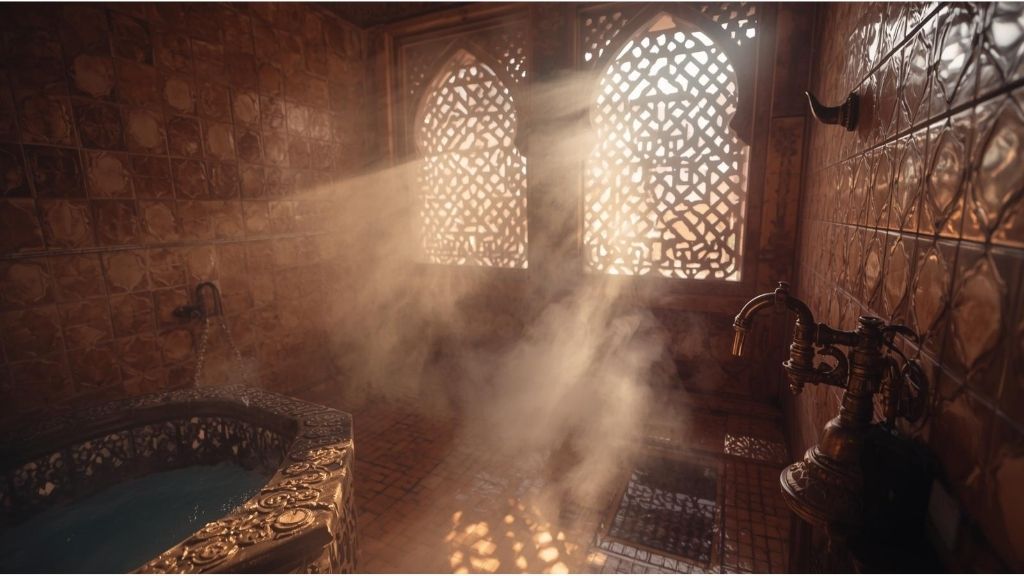
The hammam experience goes far beyond a simple steam bath. In Marrakech, this ancient purification ritual connects deeply with food traditions that support the body’s natural detoxification process. Locals follow hammam sessions with specific herbal infusions and light meals designed to maximize the cleansing benefits. This integrated approach to wellness reflects a larger philosophy about food as medicine that defines Moroccan culture. The combination creates a powerful reset for both body and mind.
Understanding the hammam tradition
Moroccan hammams have served communities for over a thousand years as places of physical cleansing and social gathering. Unlike spa treatments designed for tourists, traditional hammams function as essential weekly rituals where families prepare their bodies and spirits for the coming days. The process involves specific steps that open pores, remove dead skin and stimulate circulation throughout the body.Most Moroccans visit the hammam on Sundays or Fridays before the traditional day of rest. Women often spend hours there, bringing children and catching up with neighbors between steam sessions. Men’s hammams operate on similar principles but typically move faster. Both environments create conditions that allow the body to release toxins through skin and sweat.The heat and humidity work together to soften skin and open pathways for elimination. This prepares the body to receive the benefits of what comes after, particularly the foods and drinks that support continued detoxification. The hammam doesn’t work in isolation but as the first step in a comprehensive cleansing system.
Pre-hammam preparation
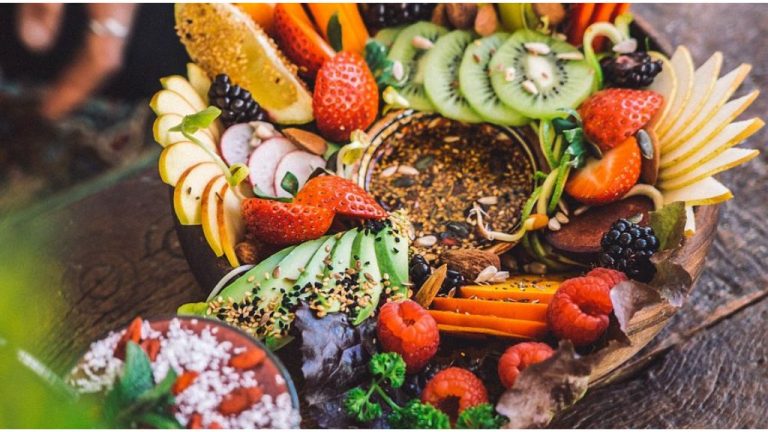
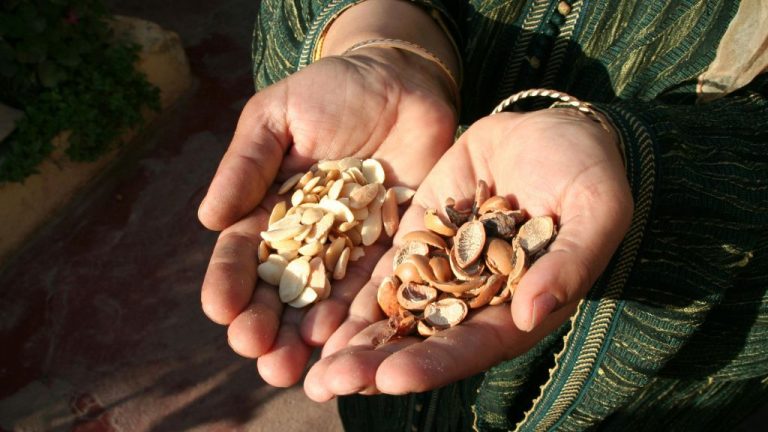
Smart hammam-goers know that preparation starts hours before entering the steam room. Eating light meals earlier in the day prevents digestive discomfort during the intense heat. Many people drink extra water mixed with lemon juice to begin the hydration and alkalizing process. Some add a pinch of sea salt to help the body retain necessary minerals that sweating will deplete.Traditional advice warns against consuming heavy proteins or rich foods before a hammam session. These take significant energy to digest and can cause nausea in the heat. Instead, people eat fresh fruits, vegetable soups or simple grain dishes that provide energy without weighing down the system. Dates offer quick natural sugar that sustains without overwhelming digestion.The goal involves entering the hammam in a state where your body can focus on elimination rather than digestion. This means timing your last substantial meal at least three hours before your session. Light snacks like almonds or fresh figs work well if you need something closer to your appointment time.
The physical process
A proper hammam session moves through several stages of increasing heat. You start in a warm room that acclimates your body gradually. After your core temperature rises and sweating begins, you move to hotter chambers where the real work happens. The moist heat penetrates deeply, loosening toxins stored in tissues and encouraging them to exit through skin.The traditional black soap application comes next, made from olive oil and eucalyptus. This soap doesn’t lather but instead softens the skin’s outer layer in preparation for exfoliation. After the soap sits for several minutes, an attendant or you yourself use a rough mitt called a kessal to scrub away dead skin cells. The amount that comes off can surprise first-timers but this removal allows skin to breathe and function more efficiently.Cold water rinses between hot sessions shock the system in beneficial ways. The temperature contrast stimulates circulation and tones blood vessels. It also trains your nervous system to handle stress more effectively. These cold plunges might feel intense but they amplify the detoxification benefits significantly.
Post-hammam hydration rituals
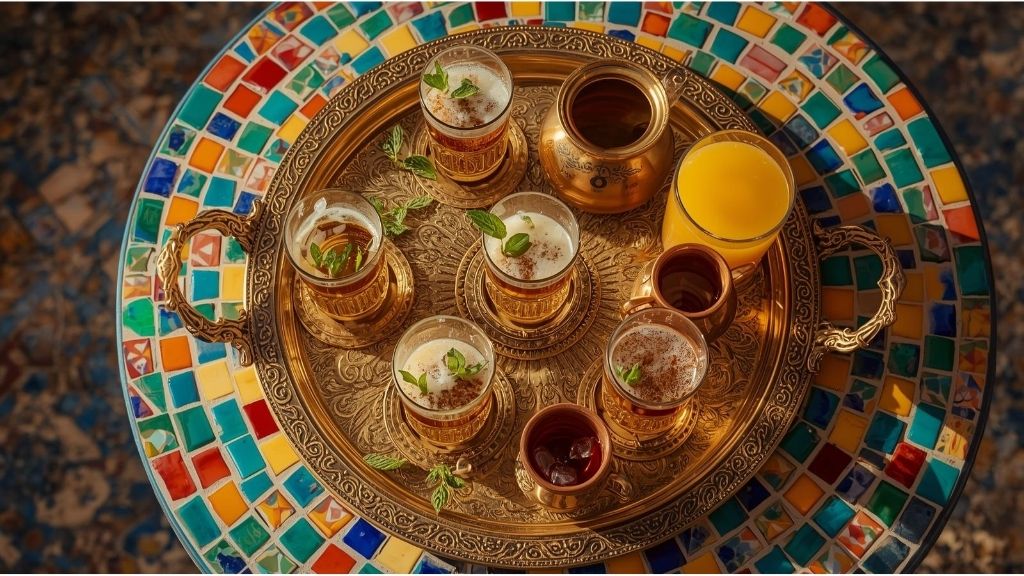
What you consume immediately after leaving the hammam matters enormously. Your body has just released significant fluids along with toxins and needs careful replenishment. The first priority involves rehydration but not with plain water alone. Moroccans understand that minerals and electrolytes must accompany hydration for proper cellular function.Traditional post-hammam drinks include herbal infusions that continue the detoxification work. Verbena tea acts as a gentle diuretic that flushes the kidneys without depleting electrolytes. Artemisia tea supports liver function as that organ processes toxins released from tissues. Many hammams serve these teas in their relaxation areas where people rest after bathing.Fresh orange juice mixed with orange blossom water provides vitamin C and natural sugars that restore energy quickly. The orange blossom adds a calming element that helps transition from the intense physical experience to a state of relaxation. Some people add a small amount of honey for additional minerals and enzymes that support the immune system.
The recovery meal
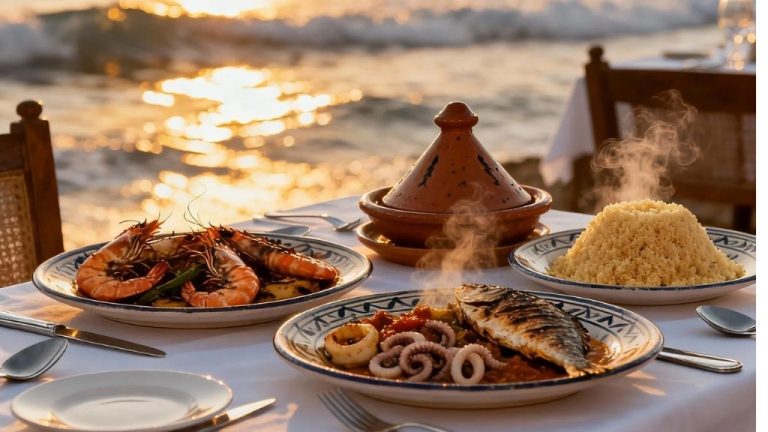
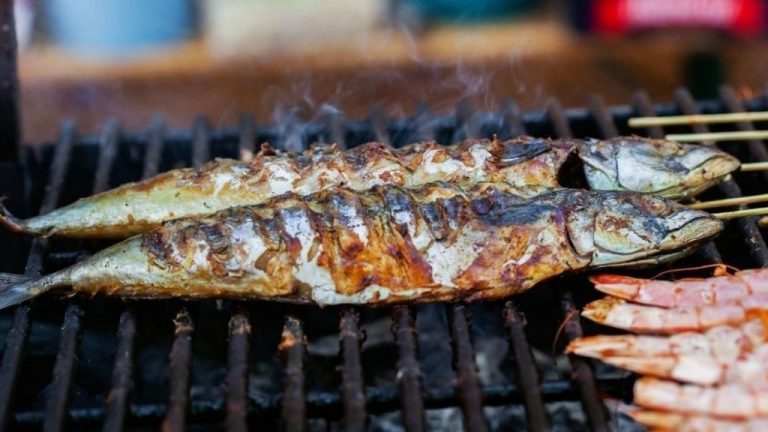
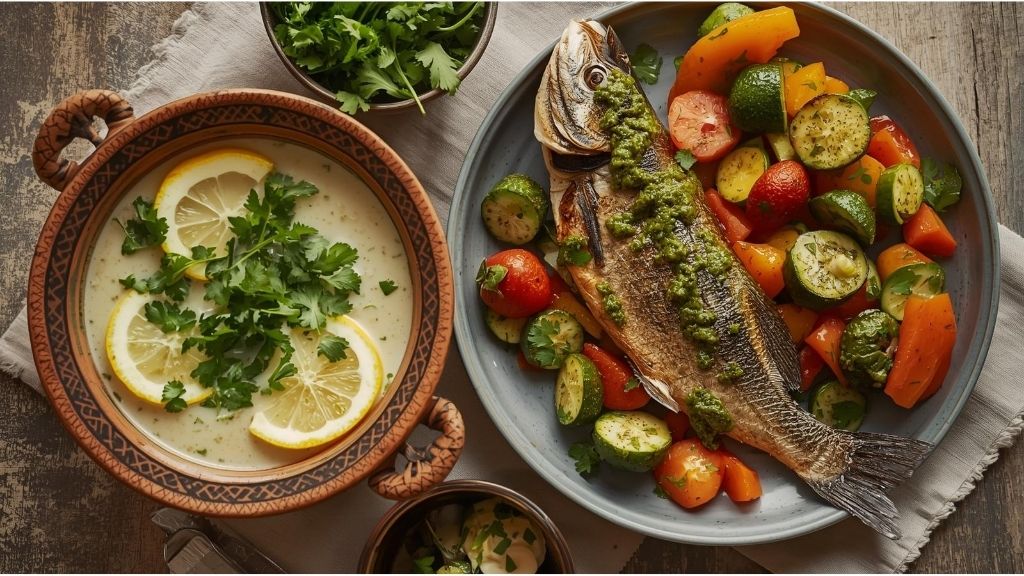
About an hour after the hammam, your body becomes ready for substantial nourishment. The traditional post-hammam meal emphasizes foods that are easy to digest yet nutrient-dense. This isn’t the time for heavy tagines or rich pastries. Instead, Moroccans choose dishes that support the organs of elimination while rebuilding strength.Vegetable-based harira soup appears frequently as a recovery meal. Unlike the thick, lentil-heavy versions served during Ramadan, post-hammam harira stays lighter with more broth and fresh herbs. Cilantro and parsley provide chlorophyll that binds to toxins in the digestive tract. Tomatoes offer lycopene and vitamin C. Chickpeas add protein and fiber that feeds beneficial gut bacteria.Grilled fish with chermoula sauce represents another ideal choice. The omega-3 fatty acids in fish reduce inflammation that the detox process might trigger. Chermoula’s herbs and spices, particularly cumin and cilantro, support digestion and provide antioxidants. A side of steamed vegetables or a simple salad completes the meal without overwhelming the system.
Herbal teas for extended detox
The detoxification benefits extend for hours and even days after a hammam session if you support the process properly. Specific herbal teas drunk throughout the following days help organs continue eliminating what the hammam started releasing. Each herb targets different body systems and offers unique compounds that facilitate cleansing.Mint tea, Morocco’s signature beverage, does more than refresh. The menthol in mint leaves stimulates bile production which helps the liver process fat-soluble toxins. It also relaxes digestive muscles and can relieve any cramping that detoxification sometimes causes. Drinking mint tea without excessive sugar allows the herb’s benefits to work most effectively.Thyme tea acts as a powerful antimicrobial that supports the immune system during detox when the body may be slightly vulnerable. It also contains compounds that thin mucus in respiratory passages, extending the hammam’s clearing effects to the lungs. Many Moroccans drink thyme tea before bed after a hammam day to support overnight healing processes.
Foods to avoid post-hammam
Traditional wisdom cautions against certain foods in the days immediately following a hammam session. Heavy dairy products can slow digestion and create mucus that works against the clearing you just accomplished. Fried foods stress the liver and gallbladder precisely when these organs need to focus on processing released toxins. Excessive sugar feeds harmful bacteria and can cause blood sugar crashes when your system is already adjusting.Alcohol particularly should wait until at least two days after a hammam. Your liver has been working hard to process stored toxins and adding alcohol creates an unnecessary burden. Even moderate amounts can interfere with the detoxification pathways that remain active after the steam session.Red meat also sits on the caution list because it requires significant digestive energy and can slow the elimination processes. If you eat meat post-hammam, choose lighter options like chicken or fish that digest more easily. Keep portions moderate and pair them with plenty of vegetables that provide fiber for efficient elimination.
Creating a hammam routine
Regular hammam sessions, ideally weekly or biweekly, create cumulative benefits that exceed occasional visits. Your body adapts to the routine and becomes more efficient at releasing toxins during each session. The food rituals surrounding hammam visits establish eating patterns that support ongoing wellness rather than just periodic cleansing.Many people schedule their hammam days at consistent intervals and plan their meals accordingly. This might mean eating especially clean in the day or two before a session to maximize what gets released. It also means having the right foods and teas on hand for the recovery period so you don’t sabotage the benefits with poor choices made from convenience.The psychological benefits of a regular hammam and food ritual shouldn’t be underestimated. Having a dedicated time for physical renewal creates mental space for reflection and stress release. The combination of heat, exfoliation, proper hydration and nourishing food addresses multiple dimensions of health simultaneously.
Bringing hammam wisdom home
You don’t need access to a traditional Moroccan hammam to benefit from these principles. Creating a home version involves making your bathroom as steamy as possible through hot showers or baths. While not identical to a proper hammam, the combination of heat and humidity still encourages toxin release through skin.Dry brushing before your steam session mimics some benefits of the kessal glove. Use a natural bristle brush on dry skin, always moving toward your heart to support lymphatic drainage. This mechanical action removes dead cells and stimulates circulation without needing the intense Moroccan scrubbing technique.Follow your home steam session with the same herbal teas and light meals that Moroccans use. The food rituals work regardless of whether you visited an authentic hammam or created a modified version at home. What matters most is the combination of heat-induced elimination followed by strategic nourishment that supports continued detoxification.
When to skip the hammam
Certain conditions make hammam sessions inadvisable even though the tradition benefits most people. Pregnancy, particularly in the first trimester, calls for caution around intense heat. While Moroccan women do visit hammams during pregnancy, they stay in cooler rooms and skip the hottest chambers. High blood pressure or heart conditions require medical clearance before attempting hammam sessions.Active infections or open wounds need to heal first to avoid complications. The heat and humidity can spread bacteria or slow wound healing. Wait until you’re healthy and any cuts have closed completely. Severe exhaustion or dehydration also contraindicate hammam use because your body needs reserves to handle the physical stress of intense sweating.Listen to your body during sessions and don’t push through genuine discomfort. Feeling lightheaded or nauseous means it’s time to move to a cooler area or end your session. The benefits come from working with your body’s capacity, not forcing it beyond reasonable limits.
The social dimension
Hammam culture emphasizes community and shared experience in ways that enhance the wellness benefits. Going with friends or family members creates accountability and turns the ritual into a social event rather than a chore. The conversations and laughter in hammam relaxation areas contribute to mental and emotional cleansing that complements the physical aspects.Many women form lasting friendships through regular hammam meetings where they catch up on life while supporting each other’s health routines. This social structure helps maintain consistency because people don’t want to miss their weekly gathering. The combination of physical renewal and social connection addresses human needs in an integrated way that modern life often fragments.Even if you create a modified routine at home, consider inviting friends to join you in the post-session tea and meal. Sharing nourishing food in a relaxed atmosphere extends the benefits and creates positive associations that make you more likely to maintain the practice long-term.
For those interested in learning how to prepare the traditional meals that complement hammam rituals, exploring cooking classes focused on Moroccan healing recipes provides hands-on experience with the dishes that support your body’s natural detoxification systems.