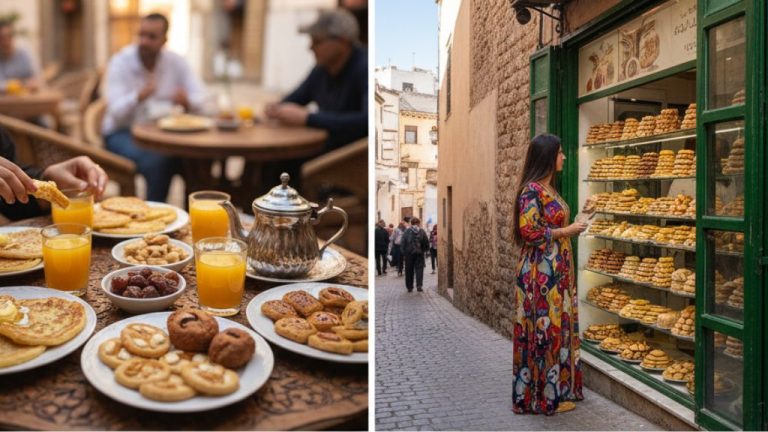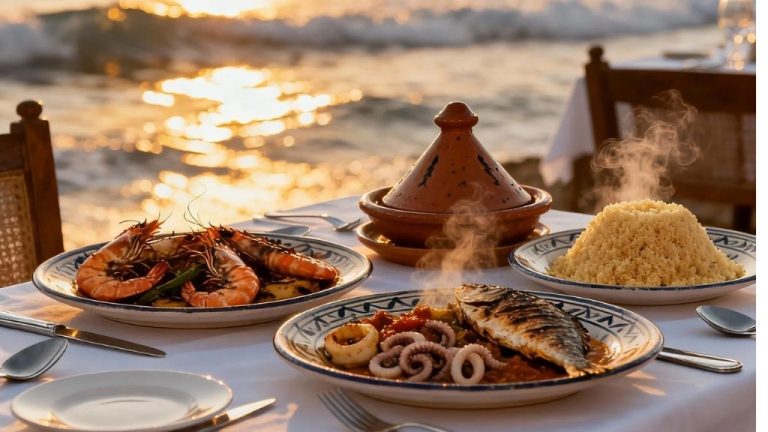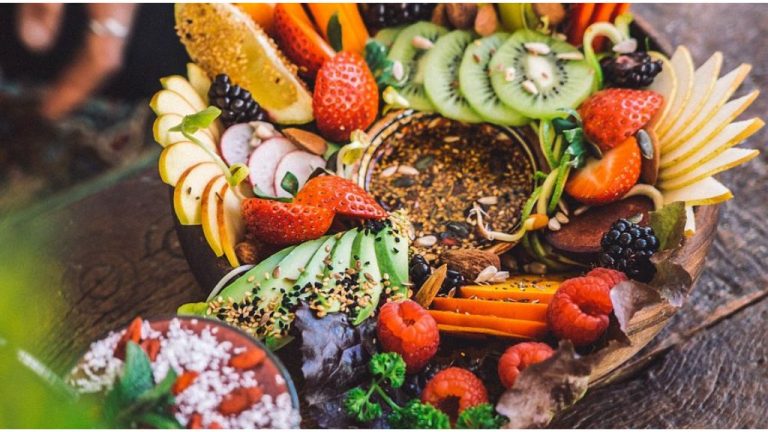

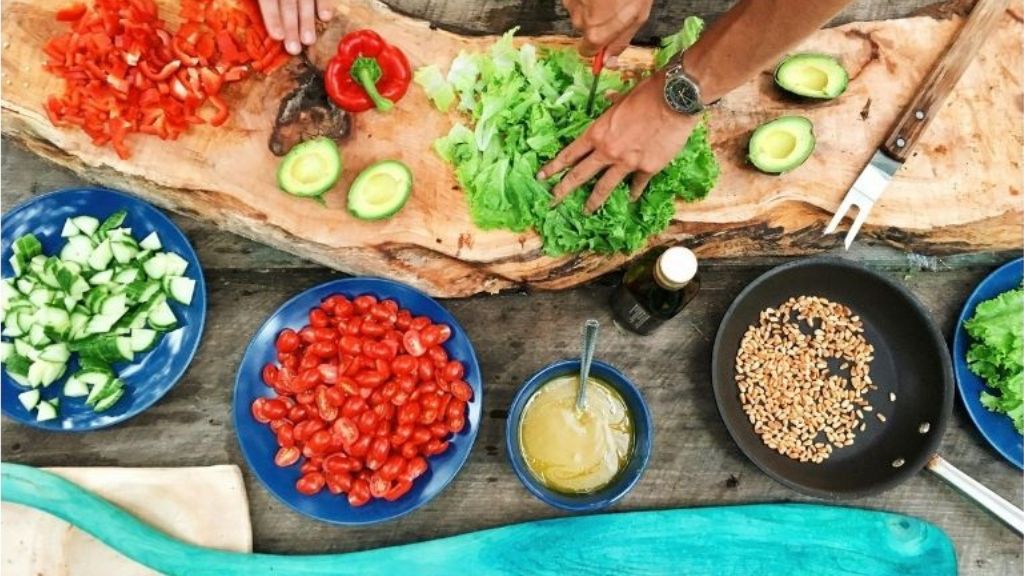
A growing number of Marrakech restaurants now champion farm-to-table practices while honoring traditional Moroccan recipes. These establishments source ingredients from local organic farms and Berber cooperatives, creating menus that change with the seasons. This approach reconnects modern diners with agricultural roots that have always defined Moroccan food culture’s wellness focus. Fresh produce, ethical sourcing and traditional preparation methods combine to deliver both authentic taste and optimal nutrition. These restaurants prove that sustainability and tradition go hand in hand.
The rise of conscious dining
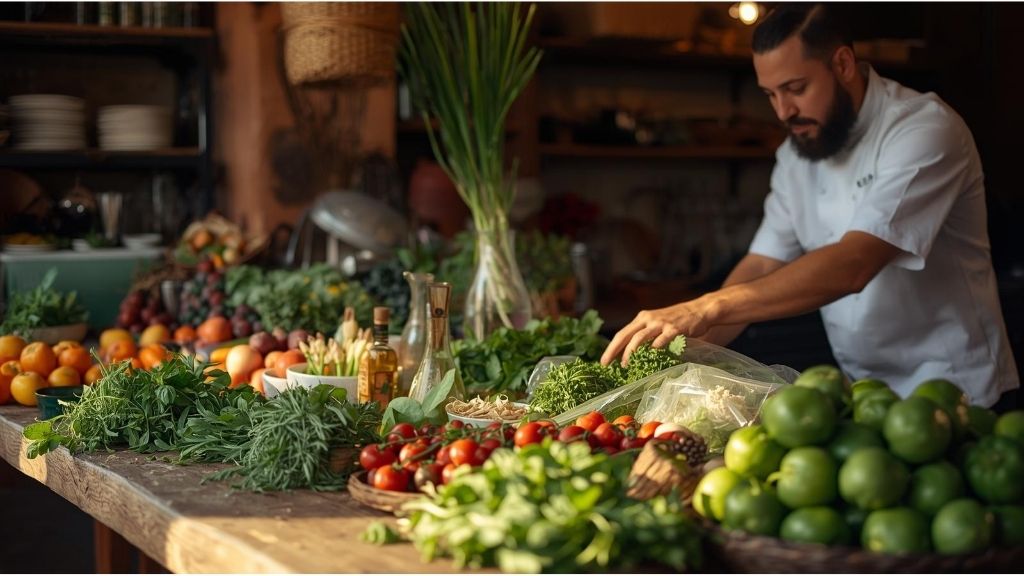
Marrakech’s organic restaurant movement started quietly about a decade ago when a few chefs and entrepreneurs recognized that industrial agriculture was eroding the quality of Moroccan ingredients. Tomatoes had lost their intense flavor, herbs grew weaker and the connection between farm and table had stretched too thin. These pioneers began seeking out small farms that still practiced traditional methods without synthetic pesticides or fertilizers.The movement gained momentum as international visitors seeking healthier options discovered these restaurants and spread word through social media and travel blogs. Moroccan diners, particularly younger generations concerned about health and environmental impact, also embraced the concept. What began as a niche offering has grown into a legitimate dining category with enough options to satisfy various budgets and preferences.
These restaurants don’t just serve organic food but embody a philosophy about how eating should connect us to land, farmers and cultural heritage. The menus tell stories about where ingredients come from and the people who grow them. This transparency builds trust and helps diners understand why their meal costs more than street food or conventional restaurant offerings.
PEPO kitchen: Pioneer of the movement
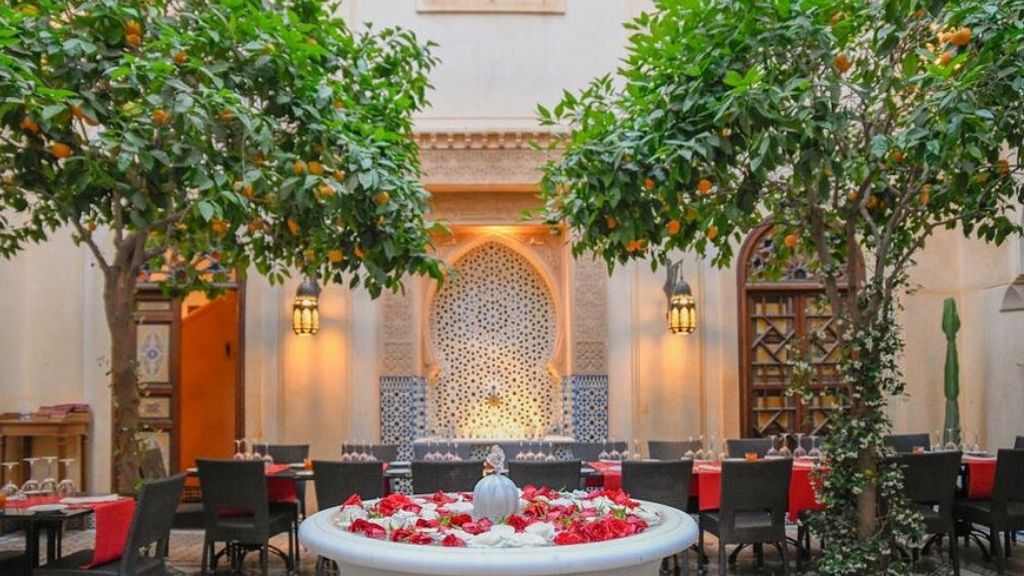
Located in a restored riad near Bab Doukkala, PEPO kitchen opened its doors in 2015 and immediately set standards that others would follow. The chef works directly with a network of small farms in the Ourika Valley and the plains surrounding Marrakech. Every morning, farmers deliver produce picked that same day, determining what appears on the constantly changing menu.The restaurant’s commitment extends beyond organic certification to encompass fair trade principles that ensure farmers receive prices allowing them to sustain their operations. This relationship building took years but created a supply chain where quality matters more than volume. The farmers know their produce will be showcased properly, motivating them to bring their best harvests.Menu highlights include seasonal salads featuring heirloom vegetables you won’t find in conventional markets. Heritage tomato varieties in summer taste like tomatoes used to taste, with complexity and sweetness that modern hybrids lack. Winter brings roasted root vegetables and hearty soups made from squashes and legumes grown specifically for Pepo by dedicated farmers. The tagines incorporate meat from animals raised on pasture without antibiotics or growth hormones.
NOMAD: Rooftop dining with conscience
Nomad occupies a prime location overlooking the spice markets and offers a more contemporary approach to organic Moroccan cuisine. The sleek, modern space attracts a younger crowd but maintains serious commitment to ingredient sourcing and sustainability. The chef reimagines traditional dishes with lighter preparations that let quality ingredients shine without heavy sauces or excessive oil.The restaurant operates its own small farm just outside the city where staff grow herbs, greens and specialty vegetables. This direct control ensures they always have the freshest possible ingredients for garnishes and salads. What they can’t grow themselves comes from vetted organic suppliers who meet strict quality standards. The kitchen staff visits farms regularly to maintain relationships and verify growing practices.Signature dishes include a deconstructed zaalouk where roasted eggplant maintains its shape and texture rather than becoming a pureed dip. The natural sweetness of organic eggplant needs less intervention, so the preparation stays minimal. Their chicken tangia uses free-range birds from a cooperative near Essaouira where flocks roam freely and eat natural diets. The difference in flavor and texture compared to conventional chicken is immediately apparent.
La Famille: Garden oasis
Hidden down an alley in the Sidi Abdelaziz neighborhood, La Famille built its reputation on a simple concept: serve vegetarian food so fresh and flavorful that meat eaters don’t miss animal protein. The restaurant’s lush garden creates an oasis atmosphere where diners eat surrounded by the herbs and edible flowers that garnish their plates. Bees from the restaurant’s hives pollinate the garden and produce honey that appears in desserts and tea.The mostly female staff includes the owner who personally selects produce each morning from farmers she has worked with for years. She knows which farm grows the best fava beans and which one produces superior zucchini. This intimate knowledge allows her to plan menus that showcase ingredients at their peak rather than forcing year-round availability of everything.Breakfast at La Famille demonstrates how simple ingredients prepared properly need little embellishment. Scrambled eggs from chickens that actually eat bugs and grass instead of industrial feed taste richer and have deep orange yolks. Toast comes with house-made preserves from organic fruit and olive oil pressed from olives grown without chemicals. Fresh juice gets squeezed to order from seasonal fruit that actually ripened on the tree.
Le Jardin: Historic riad restaurant
Le Jardin occupies a beautifully restored riad in the medina’s heart with dining areas scattered around a central courtyard garden. The restaurant has committed to sourcing at least eighty percent of ingredients from organic and small-scale producers. The chef works with women’s cooperatives that produce preserved lemons, olive oil and argan oil using traditional methods passed down through generations.The menu balances Moroccan classics with international dishes that use local ingredients creatively. Their Moroccan salad plate presents eight small salads made from vegetables at their seasonal best. Each salad receives individual attention with distinct spice combinations that highlight rather than mask the vegetable’s natural character. The contrast between conventional restaurant salads and these versions makes clear why sourcing matters so much.Le Jardin also operates a small shop selling products from their partner cooperatives, allowing diners to take home the oils, spices and preserved goods they enjoyed during their meal. This retail component helps support the cooperatives economically while giving visitors access to authentic products that can be difficult to identify in the overwhelming array of tourist-oriented souks.
Earth Cafe: vegan and organic
Earth Cafe caters specifically to vegans and vegetarians seeking organic options in a casual, affordable setting. The relaxed atmosphere and moderate prices make healthy eating accessible to budget travelers and locals alike. The menu clearly marks which items are raw, gluten-free or contain common allergens, demonstrating awareness of various dietary needs.The cafe sources from many of the same farms as more expensive restaurants, proving that organic eating doesn’t require a luxury budget. The owners believe everyone deserves access to clean food and price their menu accordingly. They manage costs by keeping the space simple and avoiding fancy plating or imported specialty items.Popular dishes include falafel wraps using organic chickpeas and fresh herbs, substantial salads that work as complete meals and smoothie bowls topped with local fruits and nuts. The hummus tastes notably better than conventional versions because the organic chickpeas and tahini have more pronounced flavors. Even skeptics of vegan food often leave surprised by how satisfying plant-based meals can be when ingredients are this fresh.
Cafe Clock: Culture meets cuisine
Cafe Clock blends cultural programming with a food menu that increasingly emphasizes organic and local sourcing. While not exclusively organic, the cafe has shifted toward working with small producers and highlighting traditional Moroccan ingredients in both classic and innovative preparations. Their famous camel burger uses meat from animals raised sustainably in southern Morocco.The cafe hosts cooking classes that teach participants about ingredient sourcing as much as preparation techniques. Students visit the market with instructors to select produce, learning how to identify quality and negotiate with vendors. This educational component helps spread awareness about why ingredient choices matter and how to make better decisions when shopping independently.The space also functions as a cultural center with live music, storytelling events and exhibitions featuring local artists. This holistic approach reflects an understanding that food connects to all aspects of culture and community. Eating well involves more than just nutrition but encompasses the entire experience of how we nourish ourselves physically, socially and culturally.
Sourcing from berber cooperatives
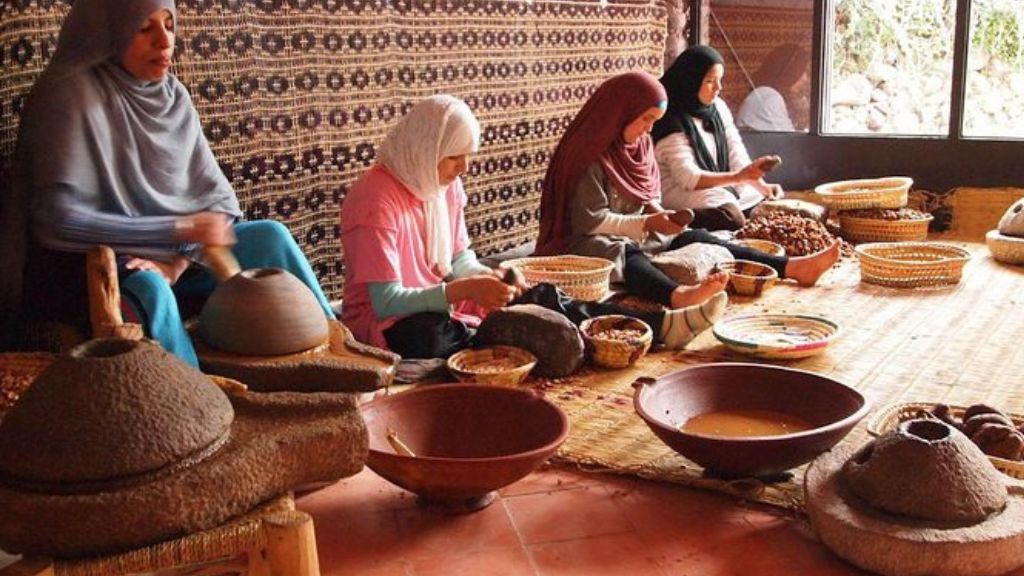
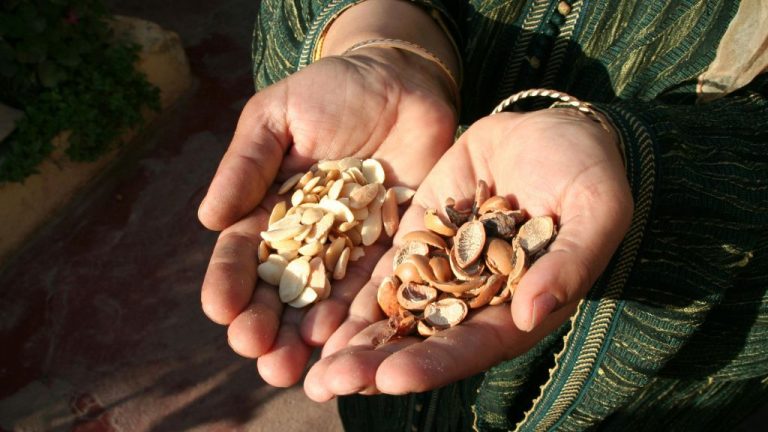
Many organic restaurants in Marrakech work directly with Berber cooperatives in the Atlas Mountains and surrounding rural areas. These cooperatives, often run by women, produce exceptional quality olive oil, argan oil, honey, preserved lemons and dried herbs using methods unchanged for generations. The cooperative model ensures fair compensation and supports communities that maintain traditional agricultural knowledge.These partnerships benefit both parties. Restaurants gain access to ingredients of unmatched quality and authenticity while cooperatives secure reliable markets that value their products appropriately. The relationships often extend beyond simple transactions to include mutual support and long-term commitment. Some restaurants help cooperatives with marketing or connect them to other buyers, strengthening the entire local food network.The argan oil used in many organic restaurants comes from cooperatives where women hand-crack the nuts and cold-press the oil in small batches. This labor-intensive process produces oil far superior to industrially processed versions. The same applies to olive oil from ancient groves where trees have grown for centuries without ever receiving chemical treatments. These ingredients don’t just add flavor but carry the essence of their place and people.
Seasonal menu philosophy
True farm-to-table restaurants in Marrakech embrace seasonal limitations rather than fighting against them. Menus shift dramatically between winter and summer, reflecting what actually grows during different times of year. This approach requires flexibility and creativity but results in dishes that taste better because ingredients are at their natural peak.Spring brings tender fava beans, artichokes and peas that appear in light salads and delicate tagines. Summer overflows with tomatoes, peppers, eggplants and zucchini that dominate menus during their brief period of abundance. Fall introduces squashes, root vegetables and late season fruits that work beautifully in roasted preparations and preserves. Winter features hearty greens, citrus fruits and stored grains that sustain people through cooler months.Diners accustomed to year-round availability of everything sometimes need adjustment to truly seasonal eating. A restaurant might not have tomato salad in January because good tomatoes don’t exist then. Learning to appreciate this constraint and the variety it creates throughout the year represents an important shift in how we think about food. The anticipation of waiting for a favorite seasonal dish makes it taste even better when it finally returns.
Price and value considerations
Organic restaurants in Marrakech cost more than conventional options, creating legitimate concerns about accessibility and elitism. A meal at Pepo Kitchen or Nomad requires a budget that many travelers and most locals can’t afford regularly. This economic reality creates tension between ideals of sustainable eating and the practical need for affordable food.However, several factors justify the higher prices. Organic farming requires more labor and yields less per acre than conventional methods. Farmers deserve fair compensation for producing clean food without degrading their land. Small-scale operations lack economies of scale that reduce costs in industrial systems. Restaurants working directly with farmers often pay premium prices to ensure those farmers can continue operating.The value proposition becomes clearer when you consider what you’re actually getting. One organic meal made from peak-season ingredients and eaten in a thoughtfully designed space might provide more satisfaction and better nutrition than three cheap meals made from inferior ingredients. The experience includes not just food but education, atmosphere and the knowledge that your money supports positive practices. For many people, eating fewer higher-quality meals makes more sense than constant consumption of mediocre food.
Finding these restaurants
Locating organic restaurants in Marrakech requires some research because they’re dispersed throughout the city rather than concentrated in one area. The medina contains several options but navigating the narrow streets to find them can challenge first-time visitors. Having addresses isn’t always sufficient since traditional navigation in the medina relies more on landmarks and directions than street numbers.Most organic restaurants maintain active social media presence with current menus, photos and location information. Reading recent reviews helps gauge whether a restaurant maintains its standards or has declined since earlier accolades. Some establishments require reservations, especially during high season when Marrakech fills with tourists. Calling ahead prevents disappointment and ensures the kitchen can accommodate dietary restrictions if needed.Taxi drivers may not know smaller restaurants by name but usually recognize neighborhoods or nearby landmarks. Writing down the address in French or Arabic and showing it to the driver helps. Many restaurants also offer pickup service from major hotels or central meeting points for customers who prefer not to navigate independently.
Supporting the movement
Choosing to eat at organic, farm-to-table restaurants during your Marrakech visit does more than just give you better meals. Your spending directly supports farmers practicing sustainable agriculture and restaurants committed to quality over profit maximization. The economic signal you send influences whether these establishments can survive and expand or whether market forces push them toward cheaper conventional ingredients.Talking about these restaurants and sharing your experiences through reviews and social media helps them reach more customers who share these values. Many excellent establishments struggle with visibility because they invest resources in food quality rather than marketing. Your authentic enthusiasm carries more weight than any paid advertising could.If you’re particularly impressed by a restaurant, consider buying products they sell or asking for information about their supplier cooperatives. Some cooperatives welcome visitors who want to see production processes firsthand. Building these connections deepens your understanding of Moroccan food culture and creates relationships that might extend beyond your current visit.
For travelers who want to learn the cooking techniques that make these restaurants special, exploring cooking classes that teach traditional Moroccan healing recipes provides hands-on experience with the preparation methods and ingredient combinations that turn simple organic produce into extraordinary meals.