
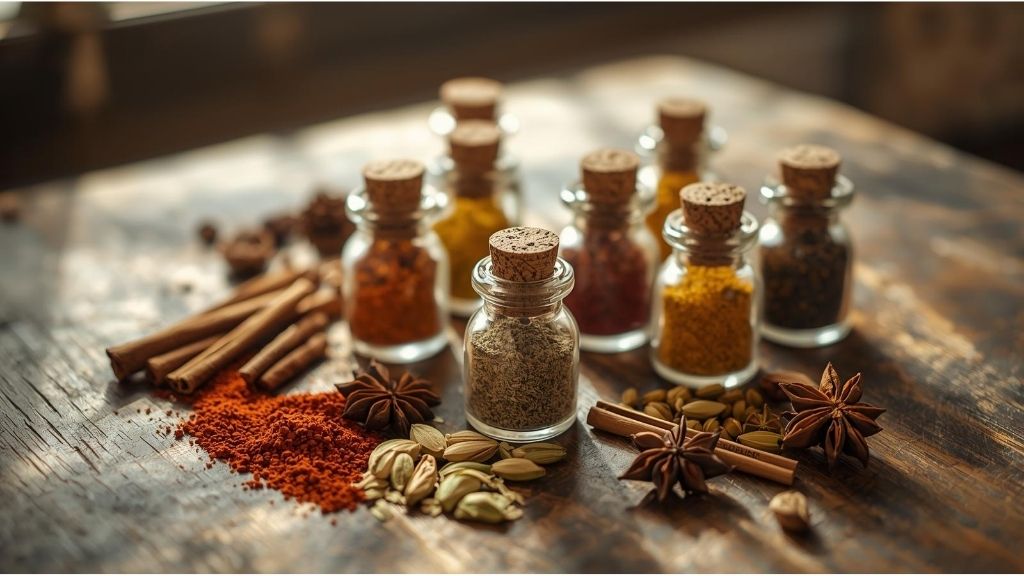
Walking through Marrakech’s souks awakens your senses with colors and aromas that tell centuries-old stories. These aren’t just culinary ingredients but traditional remedies used by Moroccan families for generations. From saffron’s mood-enhancing properties to cumin’s digestive support, each spice carries specific wellness benefits rooted in North African healing traditions. Understanding these ingredients opens a door to Marrakech’s broader healing food culture that combines taste with holistic health.
The foundation of Moroccan healing
Moroccan grandmothers have always known what modern science is now confirming. The spices filling their kitchens do more than create complex flavors. Each one serves a specific purpose in maintaining health and treating common ailments. This knowledge gets passed down through cooking sessions where younger generations learn not just recipes but the reasons behind every ingredient choice.The tradition goes back centuries when trade routes brought exotic spices to North Africa. Moroccan cooks experimented and observed, noting which combinations soothed stomachs or cleared congestion. Over time, these observations became a sophisticated system of food-based healing that remains central to Moroccan life today.
Turmeric: The golden healer
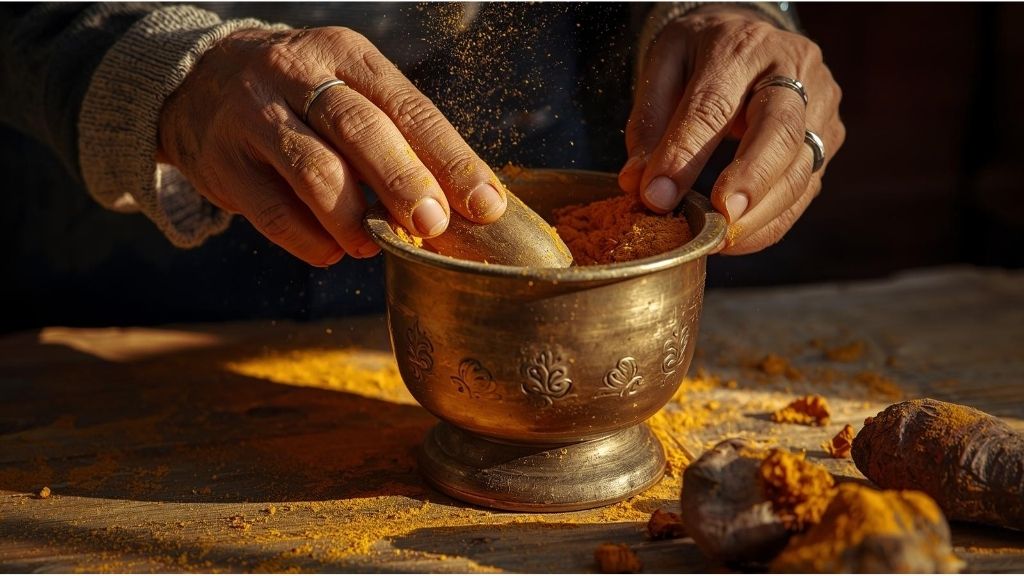
You’ll find turmeric in nearly every Moroccan kitchen, recognizable by its bright golden color and earthy aroma. Moroccans call it “kharkoum” and use it liberally in tagines, soups and rice dishes. The active compound curcumin gives turmeric its anti-inflammatory properties that rival many over-the-counter medications.Traditional Moroccan medicine uses turmeric paste for wound healing and joint pain. Modern research backs this up, showing how curcumin reduces inflammation markers in the body. When combined with black pepper, another Moroccan staple, your body absorbs curcumin up to 2000% better. Moroccan cooks figured this out through trial and observation long before laboratories existed.The spice also supports liver function and helps the body process toxins more efficiently. After rich meals during celebrations, Moroccan families often drink turmeric-spiced tea to aid digestion. This simple practice reflects deep understanding of how food affects the body.
Cumin: Digestive champion
Cumin seeds, or “kamoun” in Moroccan Darija, appear in almost every savory dish. The warm, slightly nutty flavor defines Moroccan cuisine, but locals value cumin primarily for its digestive benefits. It stimulates enzyme production that helps break down food more effectively.Many Moroccans chew cumin seeds after meals or brew them into tea when experiencing bloating or gas. The practice works because cumin contains compounds that relax the digestive tract and reduce cramping. It also has antimicrobial properties that help maintain healthy gut bacteria balance.Street vendors selling grilled meats always keep cumin nearby, not just for seasoning but because it helps the body process heavy proteins. This pairing shows the intuitive wisdom embedded in Moroccan food culture. Every spice choice serves a purpose beyond taste.
Saffron: Liquid gold for mood and more
Saffron threads cost more than gold by weight, yet Moroccan cooks use them regularly for special occasions and healing purposes. The delicate red threads come from crocus flowers and require immense labor to harvest. Just a few threads transform both flavor and color while delivering impressive health benefits.Research shows saffron affects serotonin levels in ways that can improve mood and reduce anxiety symptoms. Moroccan tradition prescribes saffron tea for melancholy and nervous conditions. New mothers often receive saffron-enriched foods to support postpartum recovery and emotional balance.The spice also contains powerful antioxidants that protect cells from damage. Some studies suggest it may improve eye health and even support memory function. Moroccan elders often drink saffron-infused almond milk, a practice that combines multiple wellness-supporting ingredients in one soothing beverage.
Ginger: The warming root
Fresh ginger root appears in Moroccan markets year-round, sold alongside its dried and ground forms. Moroccans call it “skinjbir” and use it to warm the body from within. The spicy, pungent root stimulates circulation and helps fight off colds during winter months.Ginger tea serves as the go-to remedy for nausea, whether from motion sickness, pregnancy or digestive upset. The compounds in ginger calm the stomach and reduce inflammation in the digestive tract. Many Moroccan women swear by ginger tea during menstrual cycles to ease cramping and discomfort.The root also has natural pain-relieving properties that work on headaches and muscle soreness. Athletes and laborers in Morocco often consume ginger to reduce inflammation after physical strain. Mixed with honey and lemon, it becomes a powerful immune-boosting tonic that tastes as good as it works.
Cinnamon: Sweet medicine
Moroccan cinnamon, usually the Ceylon variety, has a more delicate flavor than the common cassia type. Locals add it to both sweet and savory dishes, understanding its ability to regulate blood sugar levels. This makes cinnamon particularly valuable in a cuisine that features dried fruits and natural sugars.The spice helps insulin work more effectively, allowing cells to absorb glucose from the bloodstream. Moroccan diabetics often include cinnamon in their daily diet as a natural way to support blood sugar management. Even healthy individuals benefit from its stabilizing effects after carbohydrate-rich meals.Cinnamon also has antimicrobial properties that preserve food naturally. Before refrigeration, Moroccan cooks used cinnamon and other spices to extend the life of dishes. This practical application came from observing which spices prevented spoilage most effectively.
Ras el hanout: The master blend
This complex spice mixture translates to “head of the shop” because it contains the best spices a merchant offers. Every family and spice seller has their own recipe, but most include cardamom, clove, coriander, nutmeg, and up to twenty other ingredients. The blend represents the pinnacle of Moroccan spice wisdom.Ras el hanout appears in celebratory dishes like mrouzia and special tagines. The combination creates synergistic effects where individual spice benefits amplify each other. Cardamom aids digestion while clove provides antimicrobial protection. Coriander supports detoxification as nutmeg enhances nutrient absorption.Creating or buying quality ras el hanout requires knowledge and experience. The proportions matter as much as the ingredients themselves. A balanced blend should warm without overwhelming and support digestion without causing irritation. Master spice blenders in Marrakech spend years perfecting their signature versions.
How to use these spices at home
Starting with Moroccan healing spices doesn’t require complicated recipes. Begin by adding turmeric and black pepper to morning scrambled eggs or evening soups. The combination provides anti-inflammatory benefits with minimal effort. Toast cumin seeds in a dry pan until fragrant, then grind them fresh for maximum potency.Buy whole spices when possible and grind them as needed. Pre-ground spices lose volatile oils and therapeutic compounds quickly. A small coffee grinder dedicated to spices makes this process easy. Store whole spices in airtight containers away from light and heat to preserve their properties.Experiment with saffron by steeping a few threads in warm water or milk before adding to dishes. This releases the color and flavor while making the beneficial compounds more bioavailable. For ginger, keep fresh root in the freezer where it grates easily and stays potent for months.
The ritual of spice shopping
Visiting a spice souk in Marrakech teaches you more than any cookbook can. The vendors know their products intimately and often share family recipes or healing tips. They’ll let you smell and sometimes taste before buying. This sensory evaluation ensures freshness and quality.Don’t rush the process. Watch how locals interact with spice sellers, asking questions and discussing intended uses. The merchant might suggest different varieties or combinations based on your needs. This exchange represents living knowledge that books can’t fully capture.Bring spices home in small quantities to maintain freshness. Most healing properties fade after six months even with proper storage. Buying frequently means you’re always working with potent ingredients that deliver maximum benefits.
Beyond the kitchen
Moroccan spice wisdom extends beyond cooking into daily wellness practices. Many families keep spice-based remedies on hand for minor ailments. A paste of turmeric and honey treats cuts and skin irritations. Cumin tea soothes upset stomachs. Ginger compresses ease muscle pain.These applications might seem simple but they work because the active compounds in spices penetrate skin and mucous membranes. The effectiveness comes from using concentrated doses of the right spice for specific issues. This targeted approach differs from just seasoning food, though both provide benefits.Learning these traditional remedies connects you to generations of accumulated wisdom. Each technique has been tested and refined through countless real-world applications. The knowledge survives because it produces reliable results that people can observe and experience directly.
Making it part of your Life
Incorporating Moroccan healing spices doesn’t mean abandoning your current cooking style. Start by identifying one or two spices that address your specific wellness goals. Someone with joint pain might focus on turmeric while a person with digestive issues prioritizes cumin and ginger.Add these spices to familiar dishes first. Turmeric works in smoothies, rice and roasted vegetables. Cumin enhances beans, lentils and grilled meats. Once you’re comfortable with basic applications, explore more traditional Moroccan preparations.The real transformation happens when you start thinking about food as medicine rather than just fuel or pleasure. Each meal becomes an opportunity to support your body’s natural healing and maintenance processes. This shift in perspective represents the core of Moroccan food wisdom that has sustained communities for centuries.
If you want to dive deeper into how these spices combine in traditional recipes that maximize their healing potential, exploring authentic Marrakech cooking classes offers hands-on experience with local experts who understand both the culinary and therapeutic dimensions of Moroccan cuisine.