
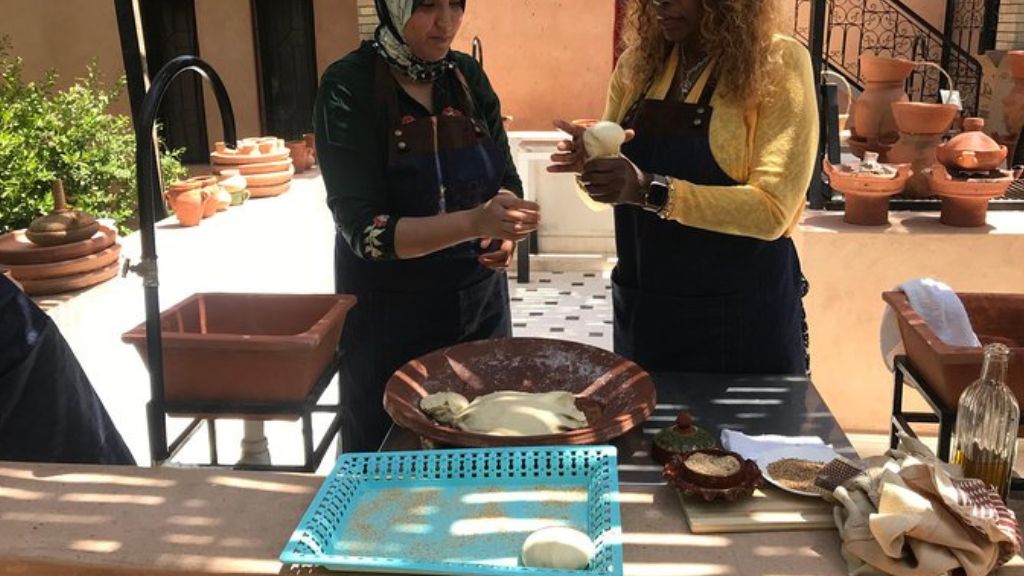
Learning to cook Moroccan food from local experts provides more than new recipes. These classes teach the therapeutic principles behind ingredient combinations and preparation techniques passed down through generations. Instructors share not just measurements but the cultural wisdom about which spices aid digestion or boost immunity. This hands-on education connects directly to how food serves as medicine in Moroccan culture. You’ll leave with skills to recreate healing meals and a deeper understanding of North African culinary traditions.
Why cooking classes matter
Reading recipes online or from cookbooks gives you formulas but misses the subtle knowledge that makes Moroccan cooking truly effective for wellness. The way you toast spices changes their chemical composition and therapeutic properties. The order in which you add ingredients affects both flavor development and nutrient preservation. These details get transmitted through demonstration and practice rather than written instructions.Moroccan grandmothers who teach many cooking classes carry knowledge accumulated over lifetimes of daily cooking and observation. They know which herb soothes which ailment and how to adjust recipes based on season, available ingredients or the specific needs of who will eat the meal. This intuitive understanding goes far beyond following recipes and represents genuine mastery of food as medicine.The hands-on nature of cooking classes also creates muscle memory that helps you replicate techniques at home. Your hands learn the right consistency for dough, the proper texture of ground spices and the feel of vegetables cooked to ideal doneness. These physical experiences stick with you in ways that watching videos or reading descriptions never can.
Souk shopping as education
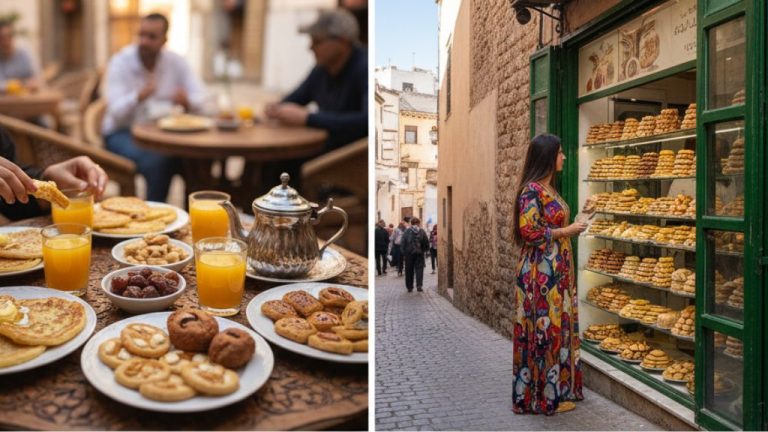
The best cooking classes in Marrakech begin with a guided tour through local markets where you select ingredients together with your instructor. This shopping expedition teaches you how to evaluate produce quality, negotiate prices respectfully and navigate the overwhelming sensory experience of a Moroccan souk. You learn which vendors sell the freshest herbs, where to find specific spices and how to spot quality differences in seemingly identical items.Walking through the markets with a local expert reveals layers of meaning invisible to casual tourists. Your guide explains seasonal availability patterns, shows you unfamiliar ingredients and their uses, and demonstrates proper selection techniques. You discover that the brightest red tomatoes aren’t necessarily the tastiest and that slightly imperfect produce often has superior flavor to cosmetically perfect specimens.The social dynamics of market shopping also become clear as you watch your instructor interact with vendors. These relationships built over years involve mutual respect, good-natured bargaining and genuine concern for each other’s wellbeing. You see how food procurement functions as a social practice that strengthens community bonds rather than just a commercial transaction focused solely on price.
Traditional cooking equipment
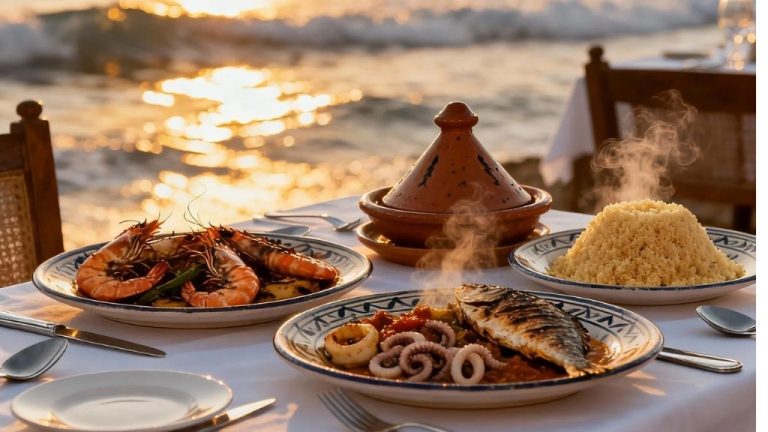
Most cooking classes take place in home kitchens or riads equipped with traditional Moroccan cooking tools that differ significantly from Western equipment. Learning to use these tools properly matters because they were developed specifically for Moroccan cooking techniques and contribute to the final results in important ways.The tagine pot with its distinctive conical lid creates a unique cooking environment where moisture condenses on the cool lid and drips back onto food, essentially basting it continuously. This self-basting action keeps ingredients tender while concentrating flavors. Modern attempts to replicate tagine dishes in regular pots produce different results because the cooking environment doesn’t work the same way.The clay or ceramic material used for traditional tagines also affects how food cooks. These materials heat slowly and evenly, preventing hot spots that can scorch ingredients. They retain heat efficiently, allowing food to continue cooking gently even after being removed from the flame. Understanding these properties helps you adjust your approach if cooking at home with different equipment.
Starting with spice blending
Many classes begin with creating custom spice blends because this foundation determines the therapeutic properties of everything you’ll cook. You learn to toast whole spices in a dry pan until fragrant, a step that activates essential oils and makes compounds more bioavailable. The instructor explains what each spice contributes beyond flavor, detailing digestive benefits, anti-inflammatory properties or immune support.Creating ras el hanout, the master spice blend, involves combining up to twenty different spices in precise proportions. Each component serves a purpose, balancing warming spices like cinnamon with cooling ones like coriander. The blend should stimulate digestion without causing irritation and provide antioxidants without overwhelming the palate. Achieving this balance requires both knowledge and intuition developed through years of practice.Grinding spices by hand in a traditional mortar and pestle gives you tactile feedback about texture and allows you to control fineness precisely. Some spices should be coarsely ground while others need powder consistency. The physical effort required also creates appreciation for the work that goes into proper food preparation and the respect Moroccan cooks have for their ingredients.
Mastering the tagine
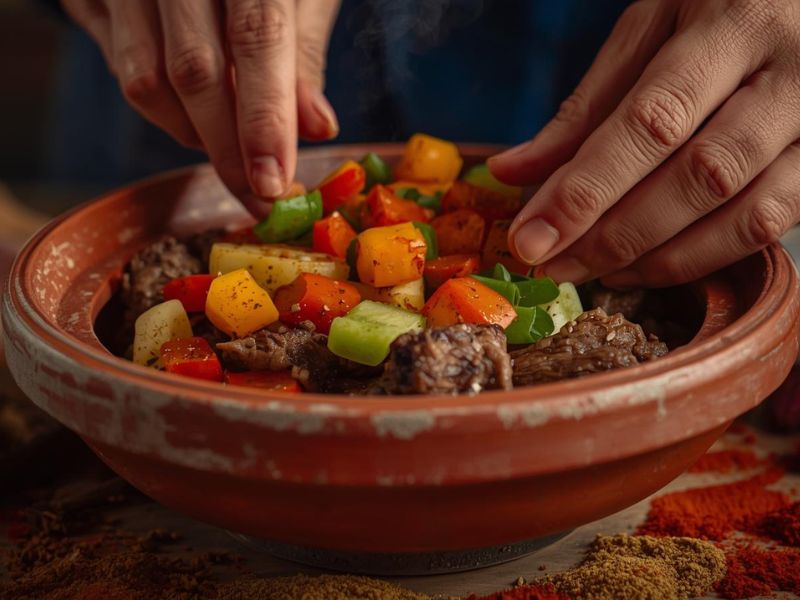
Learning to build a tagine properly represents one of the most valuable skills you can take from a Moroccan cooking class. The layering of ingredients follows principles designed to ensure everything cooks perfectly despite different requirements. Harder vegetables go on the bottom where heat concentrates while delicate ingredients rest higher in the pot where they cook more gently.The instructor demonstrates how to arrange ingredients for both functional cooking and visual appeal. Moroccan cooks take pride in how their tagines look when the lid gets lifted at the table. Vegetables get positioned artfully and garnishes placed thoughtfully. This attention to presentation reflects the cultural value placed on making food appealing to all senses.You learn that liquid amounts must be carefully controlled because the tagine’s sealed environment prevents evaporation. Too much liquid creates soup while too little causes burning. The instructor shows you how to judge the right amount based on ingredients’ water content and cooking time. This judgment comes from experience but the class gives you starting points to build your own intuition.
Bread making fundamentals
No Moroccan meal feels complete without fresh bread for scooping up tagines and dips. Many cooking classes include instruction in making khobz, the round flatbread that appears at every meal. The simple dough of flour, water, yeast and salt becomes something special through proper kneading, shaping and baking techniques.Kneading develops gluten structure that gives bread its characteristic chewy texture. The instructor shows you how the dough should feel at different stages and when to stop kneading. Over-worked dough becomes tough while under-worked dough lacks structure. Your hands learn to recognize the right consistency through repeated practice during the class.Traditional bread baking happens in communal wood-fired ovens where families bring shaped loaves for baking. Few home kitchens in Morocco have ovens, making these communal ovens essential infrastructure. The instructor explains this social dimension of bread-making and might take you to see a communal oven in operation, demonstrating how food preparation extends beyond individual households into community cooperation.
Preserved lemons and fermentation
Learning to make preserved lemons opens up understanding of how Moroccans extend seasonal abundance and create ingredients with enhanced nutritional properties. The fermentation process that preserves lemons also develops probiotics that support gut health and creates unique flavors impossible to achieve with fresh citrus.The technique involves layering quartered lemons with salt in jars and allowing time and natural fermentation to work their transformation. The instructor explains how salt draws out liquid while preventing harmful bacteria growth, creating an environment where beneficial microorganisms thrive. After several weeks, the lemons become soft, mellow and intensely flavored, ready to enhance countless dishes.You discover that the rind, not the flesh, provides the most useful part of preserved lemons. The soft peel gets chopped finely and added to tagines, salads and sauces where it contributes complex citrus notes without overwhelming acidity. This waste-reducing approach reflects traditional Moroccan resourcefulness where nothing useful gets discarded.
Salad variety and raw foods
The extensive salad course that starts most Moroccan meals receives detailed attention in cooking classes. These aren’t simple green salads but cooked and raw vegetable preparations with distinct spice profiles. Each salad provides different nutritional benefits and prepares the digestive system for heavier courses to come.Zaalouk, the cooked eggplant and tomato salad, demonstrates how vegetables transform through different cooking techniques. The eggplant gets roasted until soft while tomatoes cook down into concentrated sweetness. Garlic, cumin and paprika add warmth and digestive support. The result tastes rich despite containing no oil initially, getting just a drizzle of olive oil before serving.Raw salads like taktouka showcase vegetables at their freshest with minimal intervention. Tomatoes and peppers get diced and combined with herbs, lemon juice and olive oil. The simplicity demands high-quality ingredients since nothing masks their natural flavors. Your instructor teaches you how to select the best produce and prepare it in ways that maximize both taste and nutrition.
Couscous technique and tradition
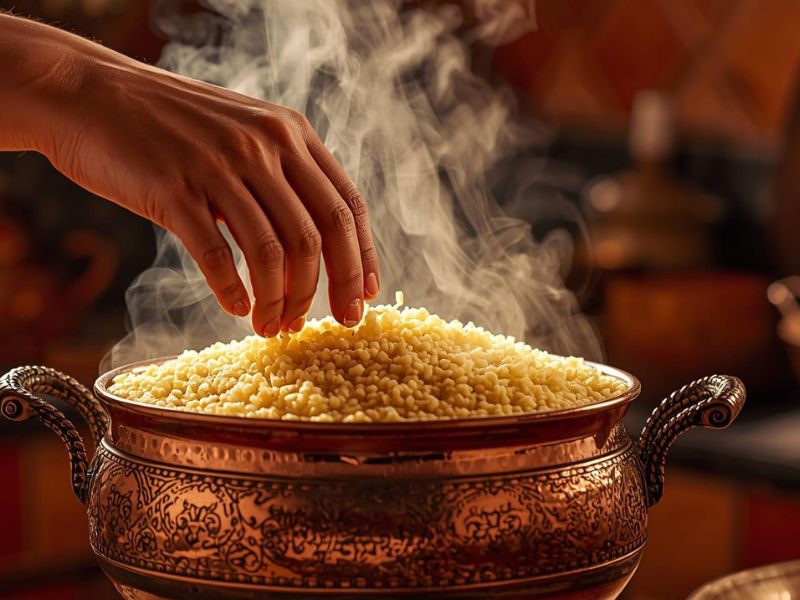
Proper couscous preparation requires specific equipment and technique that most people outside North Africa never learn. The couscoussier, a special steamer pot, allows grain to cook in steam rising from a stew below. This method keeps couscous light and fluffy while infusing it with aromatic steam from the cooking meat and vegetables.The instructor demonstrates how to work the couscous by hand, fluffing it multiple times during cooking to prevent clumping and ensure even steaming. This labor-intensive process shows respect for the grain and produces results far superior to the instant couscous most people encounter. Your hands learn the motion of lifting and aerating the grain, a meditative action that connects you to generations of Moroccan cooks.Friday couscous represents a sacred tradition where families gather for the week’s most important meal. The instructor shares stories about this custom and explains the social significance of sharing couscous. The dish brings people together physically around one large platter and spiritually through participation in a ritual that defines Moroccan identity.
Healing soups and broths
Moroccan soups like harira provide concentrated nutrition in easily digestible form, making them valuable for everyone from infants to elders. The cooking class teaches you to build these soups layer by layer, each addition contributing specific nutritional or therapeutic benefits. Lentils provide protein and iron, tomatoes add lycopene and vitamin C, and fresh herbs contribute antioxidants and digestive support.The technique of blending some ingredients while leaving others whole creates textural interest and helps nutrients absorb more efficiently. Blended components form a creamy base while whole chickpeas or lentils provide something to chew. This combination satisfies both physically and psychologically, making the soup feel substantial despite being relatively light.Your instructor explains adjustments for different health needs. Someone recovering from illness might receive soup with less spice but more ginger for immune support. Growing children need versions with extra protein from lentils and chickpeas. The adaptability of these basic recipes demonstrates the sophisticated understanding Moroccan cooks have about tailoring food to individual requirements.
Sweet treats with purpose
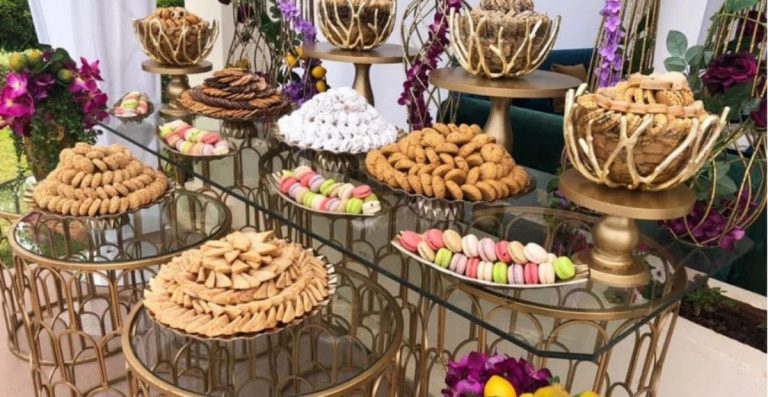
Moroccan pastries often contain nuts, honey and spices chosen for their health properties beyond just taste. The cooking class might teach you to make chebakia, the sesame cookies shaped into roses and fried then soaked in honey. While indulgent, these treats provide quick energy from natural sugars and healthy fats from sesame seeds.The instructor shares traditional beliefs about when and why to serve specific sweets. Dates stuffed with almond paste appear during Ramadan to break fasts because they provide easily absorbed nutrients after a day without food. Honey cookies get served to guests as a gesture of wishing them sweetness in life. Even desserts carry meaning beyond simple pleasure.You learn that Moroccan sweets get consumed in moderation as special treats rather than daily staples. This approach allows for indulgence without excess, satisfying the desire for sweetness while maintaining overall dietary balance. The cultural context around dessert consumption teaches as much as the preparation techniques themselves.
Taking knowledge home
The end of the cooking class brings reflection on what you’ve learned and discussion of how to apply these lessons in your own kitchen. The instructor provides tips for sourcing ingredients outside Morocco and suggests substitutions when authentic items aren’t available. You leave with recipes written down but more importantly with principles that allow you to improvise and adapt.Many classes provide take-home spice blends or preserved ingredients you helped make during the session. These tangible reminders of your experience help you recreate the flavors and eventually the therapeutic benefits when you cook at home. The smell of ras el hanout or taste of preserved lemon transports you back to the kitchen where you learned these skills.The recipes you learned represent starting points rather than rigid formulas. As you cook them repeatedly, you’ll develop your own variations based on available ingredients, personal preferences and the specific needs of people you’re feeding. This evolution reflects how Moroccan cooking actually works, with recipes serving as frameworks for improvisation rather than fixed instructions.
Building ongoing practice
The real value of a cooking class emerges not during the class itself but in the months and years afterward as you integrate these techniques into regular cooking. Start by making one or two dishes frequently until they become automatic. Once comfortable with those, add new recipes gradually. This incremental approach builds confidence and prevents the overwhelming feeling that sometimes follows intensive learning experiences.Consider creating a Moroccan meal routine, perhaps cooking a tagine every weekend or making couscous for Friday gatherings with friends. Regular practice reinforces techniques while the ritualistic aspect creates something to look forward to. Sharing these meals with others spreads the knowledge and creates community around food, just as happens in Morocco.Keep notes about your cooking experiments, recording what works and what needs adjustment. Over time, these notes create a personalized cookbook reflecting your journey with Moroccan cuisine. You’ll notice your understanding deepening as seemingly complex processes become intuitive and you start making adjustments without consciously thinking through each step.
Choosing the right class
Marrakech offers numerous cooking classes ranging from tourist-oriented quick sessions to serious multi-day workshops. Research carefully to find something matching your interests and skill level. Classes in private homes with family cooks provide intimate experiences and authentic techniques. Professional cooking schools offer more structured curricula with detailed instruction.Read reviews focusing on what previous participants actually learned rather than just whether they had fun. Look for classes that include market visits, use traditional equipment and emphasize the wellness aspects of Moroccan cooking. Avoid operations that rush through recipes without explaining the why behind techniques or that rely heavily on pre-prepared ingredients.Consider the group size because smaller classes allow more individual attention and hands-on participation. Courses limited to four or six students let everyone work directly with ingredients rather than just watching demonstrations. The higher cost of intimate classes usually proves worthwhile through the deeper learning they enable.
Connecting cooking to broader culture
The cooking class ultimately serves as a gateway into Moroccan culture more broadly. Through food preparation, you encounter values of hospitality, family connection, respect for tradition and mindful resource use. These values inform not just cooking but all aspects of how Moroccans live and interact with each other.Understanding food’s role in Moroccan life helps you appreciate other cultural practices you encounter during your visit. The emphasis on sharing meals explains why Moroccans eat from communal platters rather than individual plates. The time invested in food preparation reflects how nourishment represents an act of love and care rather than just fuel for the body.This cultural knowledge enriches your entire Marrakech experience, helping you see beyond surface-level tourist attractions to the deeper patterns that shape daily life. Food becomes a lens for understanding history, geography, social structure and spiritual beliefs that define Moroccan identity.
For those wanting to explore how the techniques learned in cooking classes translate to real restaurant experiences, discovering how Moroccan tagine supports gut health and digestion provides scientific context for the traditional wisdom shared during hands-on cooking instruction.