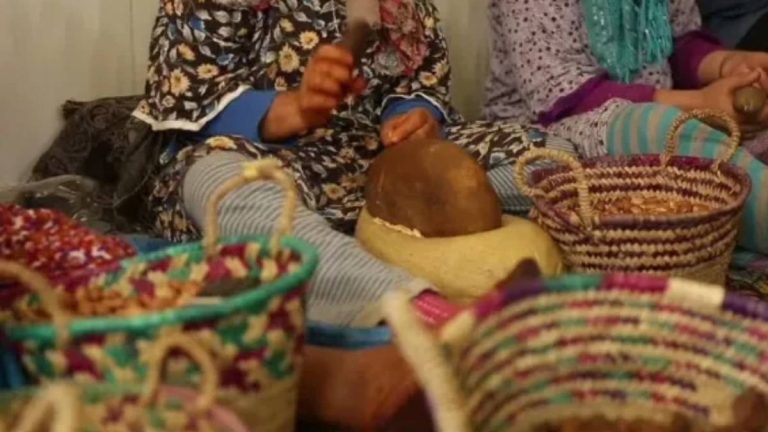

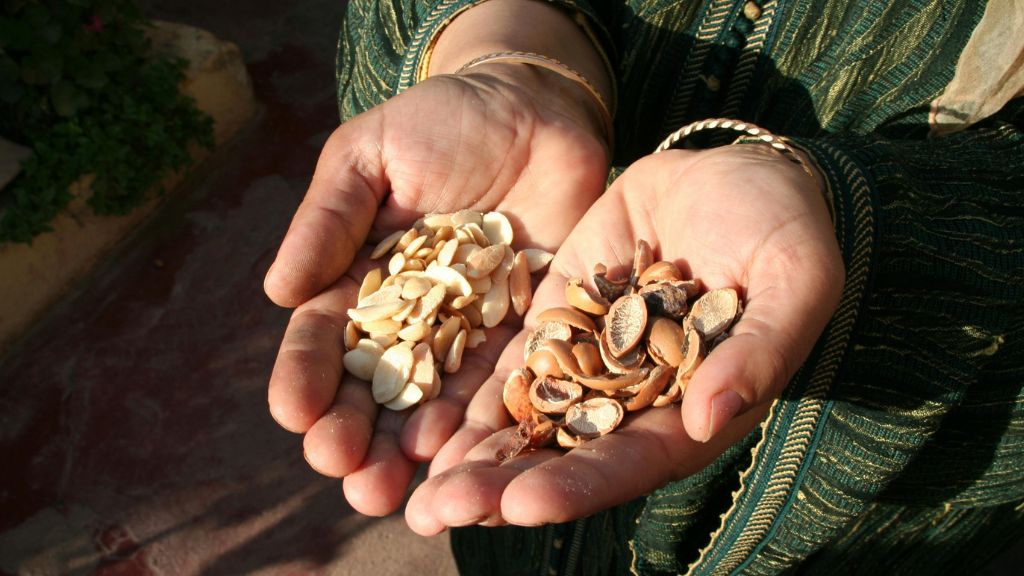
The women sit in a circle on low stools cracking Argan nuts between smooth stones worn concave from decades of use. Their hands move with practiced efficiency, thousands of nuts cracked over years creating muscle memory that makes the work look effortless. The rhythm is meditative, the sound almost musical, and the golden oil these women produce drop by precious drop contains more health benefits than most supplements lining whole foods shelves.
Understanding Argan beyond beauty products
Most Americans know Argan oil as that expensive ingredient in hair serum or facial moisturizer. The beauty industry discovered it about fifteen years ago and immediately positioned it as luxury product justifying premium prices. What gets lost in that narrative is argan’s primary use in Morocco as culinary oil with nutritional properties that rival or exceed olive oil.Culinary argan oil tastes nutty and rich with complexity that develops from roasting the kernels before pressing. It finishes salads, drizzles over couscous, gets mixed with honey and almonds into amlou spread, and generally shows up wherever Moroccans want to add flavor and nutrition. The oil contains about thirty percent more vitamin E than olive oil plus unique fatty acid combinations that research suggests support cardiovascular health.
The cosmetic version comes from unroasted kernels creating lighter colored oil without the nutty flavor. Both versions deliver skin and hair benefits that made argan famous internationally but the culinary oil offers those same benefits plus nutritional value when consumed. Californians obsessed with superfoods somehow missed that argan belongs in kitchens not just bathrooms.
Visiting cooperatives near Essaouira
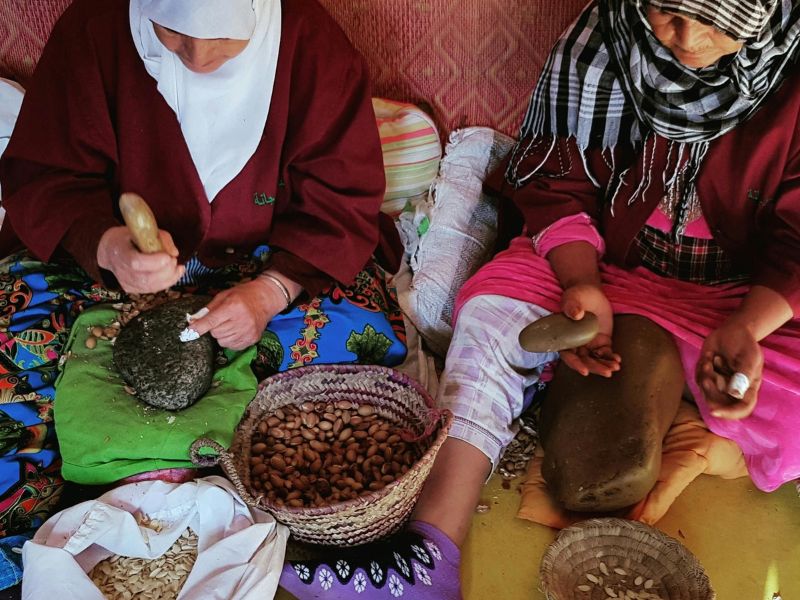
Several women’s cooperatives operate within thirty minutes of Essaouira offering tours that reveal the labor-intensive process behind every bottle. These aren’t tourist traps but working facilities where women produce oil for local and export markets. The tours happen because cooperatives realized visitors wanted to understand the process and were willing to pay modest fees that support the women directly.
Cooperative Marjana sits about twenty kilometers outside Essaouira on the road toward Marrakech. Around forty women work here processing argan nuts through every stage from initial cracking to final bottling. Tours last about an hour and cost roughly $5 per person with proceeds going directly to workers rather than outside operators.You watch women crack nuts, extract kernels, roast them in large pans over fire, grind the roasted kernels using stone mills, and finally press the paste to release oil. The entire process happens by hand using methods unchanged for centuries. Machines could speed things up but cooperatives maintain traditional techniques both for quality reasons and to preserve employment.The women explain each step in a mix of Arabic, French, and broken English with someone usually translating for groups. They answer questions about harvest seasons, which trees produce best nuts, how they learned the craft, what the cooperative means for their economic independence. The conversations reveal as much about rural Moroccan women’s lives as about Argan oil production.
Economic empowerment through ancient craft
These cooperatives represent significant social change in rural Morocco. Traditionally women’s work happened within households generating no independent income. Argan processing cooperatives allow women to earn money, gain financial independence, and make decisions about their lives that weren’t previously possible.The cooperative structure means profits get shared among members rather than enriching outside owners. Women vote on major decisions, rotate leadership positions, and generally govern themselves. This democratic approach challenges traditional hierarchies while working within cultural frameworks that respect religious and social norms.
Education programs often connect to cooperatives with literacy classes, health workshops, and skills training happening alongside argan production. Some cooperatives fund children’s education or provide healthcare access for members. The oil you buy supports this infrastructure meaning your purchase carries impact beyond just acquiring a product.The model resembles social enterprise approaches California companies claim to follow except here it developed organically from necessity rather than as marketing strategy. When international demand for Argan grew in the 2000s, women organized cooperatives to capture more value than they received selling raw nuts to middlemen. The empowerment emerged from economic logic not from outside intervention.
Health benefits backed by research
Argan oil’s fatty acid profile includes high levels of oleic acid and linoleic acid plus unique compounds like tocopherols and phenolic compounds. Research suggests these components support cardiovascular health by improving cholesterol ratios and reducing inflammation markers. The studies aren’t conclusive but show promise comparable to or exceeding olive oil’s documented benefits.The vitamin E content inArgan significantly surpasses most culinary oils. One tablespoon provides about thirty percent of daily recommended intake. Vitamin E functions as antioxidant protecting cells from damage and supporting immune function. Getting it from whole food sources beats supplements because the oil includes co-factors that enhance absorption and effectiveness.
Some research indicates Argan may help regulate blood sugar levels though the mechanism isn’t fully understood. The combination of healthy fats and plant compounds appears to slow glucose absorption and improve insulin sensitivity. This makes it potentially valuable for people managing diabetes or pre-diabetes though obviously oil alone doesn’t substitute for comprehensive treatment.The anti-inflammatory properties show up in multiple studies with markers of systemic inflammation decreasing when people consume argan oil regularly. Chronic inflammation underlies most modern diseases so anything that reduces it without side effects deserves attention. The California wellness community obsesses over turmeric and omega-3s but largely ignores Argan despite similar or superior anti-inflammatory profiles.
Culinary applications beyond drizzling
Most people who buy argan oil never open the bottle because they don’t know what to do with it. The strong flavor intimidates, the high price makes them cautious about wasting it, and frankly nobody taught them how Moroccans actually use it. Once you understand the applications, Argan becomes pantry staple rather than decorative bottle.
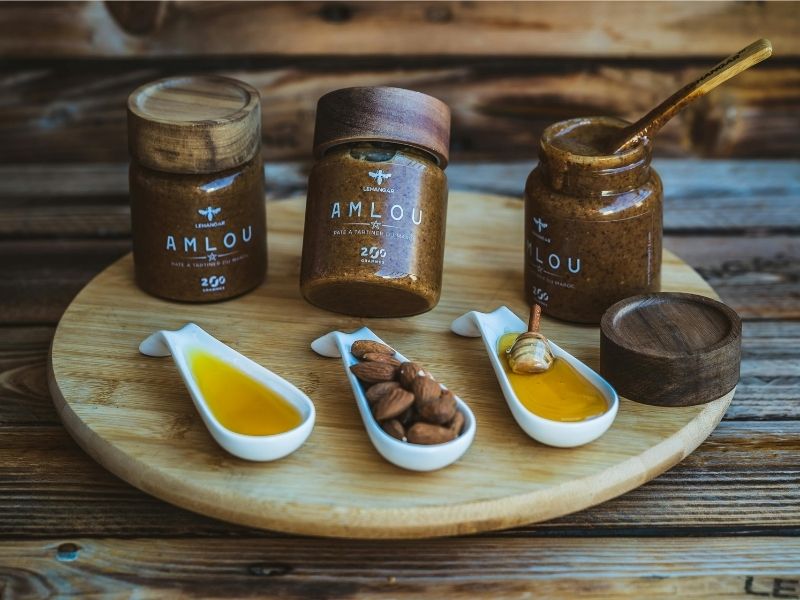
Amlou represents the classic preparation mixing Argan oil with roasted almonds and honey into a spreadable paste. The combination shows up at breakfast spread on bread or stirred into yogurt. It works equally well as dessert, energy food, or any time you want something rich and satisfying. Making it requires food processor and about five minutes.Salad dressings benefit enormously from argan’s nutty complexity. Mix equal parts argan oil and lemon juice, add salt and cumin, and you have vinaigrette that transforms simple greens into something memorable. The oil’s richness means you need less than with other oils making the higher price per ounce less relevant to actual cost per use.Finishing couscous or grain bowls with Argan right before serving adds flavor and nutrition without cooking which would damage the delicate compounds. A tablespoon drizzled over warm couscous creates silky texture and deepens the overall taste. The same technique works with roasted vegetables or grilled fish.
Moroccans sometimes use Argan for low-temperature cooking though high heat damages the beneficial compounds and wastes the complex flavor. Sautéing vegetables gently or making warm dressings works fine but searing meat or deep frying doesn’t make sense. Save cheaper oils for high-heat applications and use Argan where you can taste and benefit from its unique properties.
Identifying quality and avoiding scams
The international Argan boom created incentive for adulteration and fraud. Some products labeled pure argan contain significant percentages of cheaper oils. Others use low-quality nuts or improper extraction methods producing inferior oil sold at premium prices. Learning to identify real quality protects your investment and ensures you get the benefits you’re paying for.Color provides first clue with culinary Argan ranging from golden amber to darker brown depending on roasting level. Cosmetic Argan appears much lighter, almost yellow. If your culinary Argan looks pale it probably isn’t pure or wasn’t properly roasted. The color should be rich and inviting.Smell reveals a lot about quality. Good Argan smells nutty and slightly earthy with complexity that develops as you inhale. Poor quality Argan smells flat or sometimes rancid if it’s old or was stored badly. The scent should make you want to taste it not recoil.Texture matters too with quality Argan feeling substantial but not heavy. It should coat your mouth without greasiness. Inferior oils often feel lighter because they’ve been cut with cheaper alternatives or extracted using chemical methods that strip away the compounds creating body.
Price provides rough guidance with pure cooperative Argan costing around $15 to $25 for 250ml depending on where you buy it. Anything significantly cheaper probably isn’t pure. Anything dramatically more expensive is probably marking up for luxury positioning rather than reflecting actual quality differences. Buying directly from cooperatives during visits gets you the best combination of quality, price, and impact.
Cosmetic uses California already knows
The beauty industry didn’t make up Argan oil’s skin and hair benefits. Amazigh women have used it for those purposes for generations before Western cosmetic companies discovered it. The difference is they used the same oil they cooked with rather than creating separate cosmetic product lines with premium pricing.Argan penetrates skin effectively delivering vitamin E and fatty acids that support moisture retention and elasticity. It doesn’t clog pores despite being oil-based which makes it suitable for most skin types. A few drops massaged into face after cleansing provides excellent moisturizer especially in dry climates.Hair treatments using argan reduce frizz and improve shine by smoothing cuticles and adding protective coating. You can use it as leave-in treatment on damp hair or as intensive mask treatment on dry hair before washing. The same bottle serves both culinary and cosmetic purposes if you buy food-grade Argan.
The California beauty industry charges $30 to $60 for small bottles of cosmetic Argan often cut with other ingredients. Buying pure culinary Argan from cooperatives and using it for both cooking and beauty costs less and arguably works better because it hasn’t been processed specifically for cosmetic applications. The traditional Moroccan approach of one product for multiple uses makes more sense than maintaining separate bottles.
Environmental and sustainability considerations
Argan trees grow only in southwestern Morocco in a specific ecosystem that UNESCO designated a biosphere reserve. The trees themselves live hundreds of years and play crucial role in preventing desertification. The increased demand for Argan oil could threaten this ecosystem if not managed carefully.Cooperatives generally practice sustainable harvesting waiting for nuts to fall naturally rather than stripping trees. This patience ensures trees remain healthy and productive for future generations. The women often describe themselves as guardians of the Argan forest with responsibility extending beyond just current harvest.Some concerns exist about over-harvesting as international demand grows. Conservation organizations work with cooperatives monitoring harvest levels and promoting reforestation. The situation remains better than many other cash crops because Argan trees can’t be plantation-grown at scale. They require specific conditions and long maturation periods limiting how much production can expand.
Climate change poses the bigger threat with shifting rainfall patterns and rising temperatures stressing Argan forests. The trees adapted to current conditions over millennia and may struggle to adjust quickly to rapid changes. Supporting cooperatives that prioritize long-term sustainability over maximum short-term production helps protect both the ecosystem and the livelihoods depending on it.
Bringing Argan home to California
TSA regulations allow oil in checked luggage so bringing bottles home presents no problems beyond weight considerations. Most cooperative shops wrap bottles carefully and many travelers successfully transport multiple bottles without breakage. The savings compared to US retail prices justify the luggage space for anyone planning to use Argan regularly.Storage at home matters for maintaining quality. Keep Argan oil in cool dark place away from heat and light which degrade the beneficial compounds. Properly stored, culinary Argan lasts about two years though most people use it faster once they start cooking with it regularly. The shelf life exceeds olive oil’s because Argan’s natural antioxidants protect against rancidity.You can find real Argan oil in California at specialty stores and some whole foods locations but prices run much higher than purchasing directly from source. A bottle costing $15 at a cooperative in Morocco sells for $35 to $45 in California stores. The markup reflects import costs and retailer margins but also means most people treat it as special occasion ingredient rather than daily staple.Online ordering from reputable importers who work directly with cooperatives offers middle ground between prices. You pay more than buying in Morocco but less than retail while ensuring quality and supporting ethical sourcing. Several California-based companies specialize in fair trade Moroccan products including Argan oil from cooperatives they visit regularly.
The experience of visiting cooperatives and meeting the women who produce Argan adds dimension to using it that shopping online never provides. You understand the labor involved, see the environmental context, meet the people benefiting from your purchase. That connection transforms Argan from exotic ingredient into real relationship with place and people. When you’re ready to explore more dimensions of what makes Essaouira resonate with California sensibilities, the surf culture offers another bridge between these sister souls separated by an ocean.