
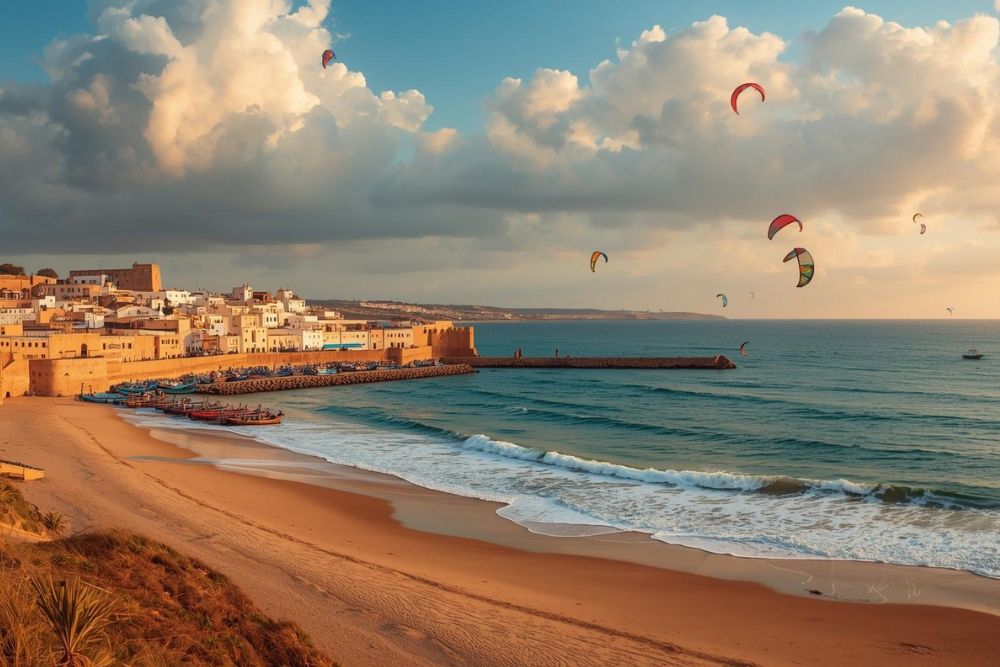
I’ve spent the last three weeks in Essaouira and I keep catching myself thinking “this feels like home.” Not Morocco-exotic-adventure home but actual California home. The same laid-back energy you find in Big Sur mixed with Venice Beach’s bohemian soul and Santa Cruz’s surf-first mentality. Even the light has that golden quality familiar to anyone who’s watched sunset from the PCH.The comparisons aren’t superficial. Essaouira sits on Morocco’s Atlantic coast where constant wind creates ideal conditions for kitesurfing and windsurfing much like how Malibu’s breaks draw surfers year-round. The medina’s blue and white buildings could pass for a Mediterranean-influenced California beach town if you squint. Artists and musicians have claimed this place the way they once claimed Topanga Canyon before rents exploded.The food scene mirrors what happened in Berkeley and San Francisco three decades ago when farm-to-table stopped being buzzword and became standard practice. Restaurants here source fish directly from boats that dock meters away, grow herbs in rooftop gardens, and feature seasonal menus that change based on what the ocean and farms provide. It’s the Alice Waters philosophy applied to Moroccan cuisine.But what really resonates for California wellness seekers is how Essaouira approaches health as lifestyle rather than prescription. There are no $300 sound baths or $150 yoga classes. Instead wellness emerges from daily rhythms: morning walks on empty beaches, fresh grilled sardines for lunch, mint tea taken slowly in the afternoon, sunset watched from ancient ramparts. It’s wellness as Californians once practiced it before Silicon Valley monetized mindfulness.And here’s the part that makes California expats weep with joy. Your monthly San Francisco rent pays for three months here. That $18 smoothie bowl costs $4. The sunset yoga session overlooking the Atlantic is free if you bring your own mat to the beach. Suddenly the wellness lifestyle that became financially inaccessible in California feels attainable again.
I arrived expecting exotic Morocco and found instead a coastal town that understands the same things Californians value: ocean therapy, organic food, creative community, sustainable living, and the belief that wellness shouldn’t require wealth. The difference is Essaouira hasn’t been Instagrammed into unaffordability yet. This guide reveals why Essaouira resonates so deeply with West Coast sensibilities and how to experience it like a local rather than a tourist.
Surf culture meets Moroccan tradition in Essaouira
If you’ve ever paddled out at Malibu or Santa Cruz you’ll recognize the vibe immediately when you hit Essaouira’s beach. Wetsuit-clad figures dot the horizon, boards tucked under arms, that universal surfer shuffle toward the water. The main difference is these waves roll in from the Atlantic and the post-surf meal involves tagine instead of fish tacos.Essaouira earned its nickname “Wind City of Africa” not because locals complain but because consistent trade winds create perfect conditions for kitesurfing and windsurfing from April through October. The main beach handles beginners while advanced riders head to Sidi Kaouki, a twenty-minute drive south that locals compare to Baja’s empty point breaks. Water temps hover around 64 to 68 degrees Fahrenheit year-round, similar to central California, so your 3/2 or 4/3 wetsuit from home works perfectly.The surf culture here mirrors what California had before crowds overtook breaks. Locals share waves willingly, visitors get welcomed rather than stink-eyed, and the vibe stays friendly because tourism hasn’t reached saturation. Several surf schools operate with English-speaking instructors who learned teaching methods in California and Australia. Explora Watersports and ION CLUB resemble Santa Cruz surf schools in their approach: safety-first but fun-focused.Kitesurfing dominates here more than California due to reliable wind. Watching dozens of colorful kites fill the sky while riders launch off waves creates the visual energy you get at Hood River but with Moroccan ramparts as backdrop. Kite schools offer week-long packages for $400 to $600 that include accommodation, equipment, and instruction, about half what similar programs cost in California.What California surfers appreciate most is the post-session food situation. Instead of $15 acai bowls you get fresh grilled sardines packed with omega-3s for $3. The fish came off boats that morning, got grilled over charcoal minutes ago, and delivers more performance nutrition than any supplement. Local surfers swear by sardine sandwiches in round Moroccan bread with tomatoes, onions, and harissa. It’s the fish taco of Essaouira and works perfectly as recovery food.Multiple spots offer surf-yoga packages that combine morning sessions on the water with afternoon yoga classes. Ocean Vagabond and Explora both run programs familiar to anyone who’s done similar retreats in Nosara or Sayulita. The difference is affordability with week-long surf-yoga packages running $600 to $800 all-inclusive compared to $1,500 to $2,500 in California or Central America.
The surf community here maintains that tight-knit feel California lost as surf towns got discovered. You’ll see the same faces at the beach each morning, trade beta on conditions, and make friends naturally through shared sessions. Several California surfers have relocated here semi-permanently, working remotely and surfing daily, living the dream that became financially impossible at home. For complete details on spots, schools, and the wave-to-wellness lifestyle, discover how Essaouira’s surf culture blends Atlantic swells with Moroccan hospitality.
Farm-to-table atlantic style: Organic dining Essaouira
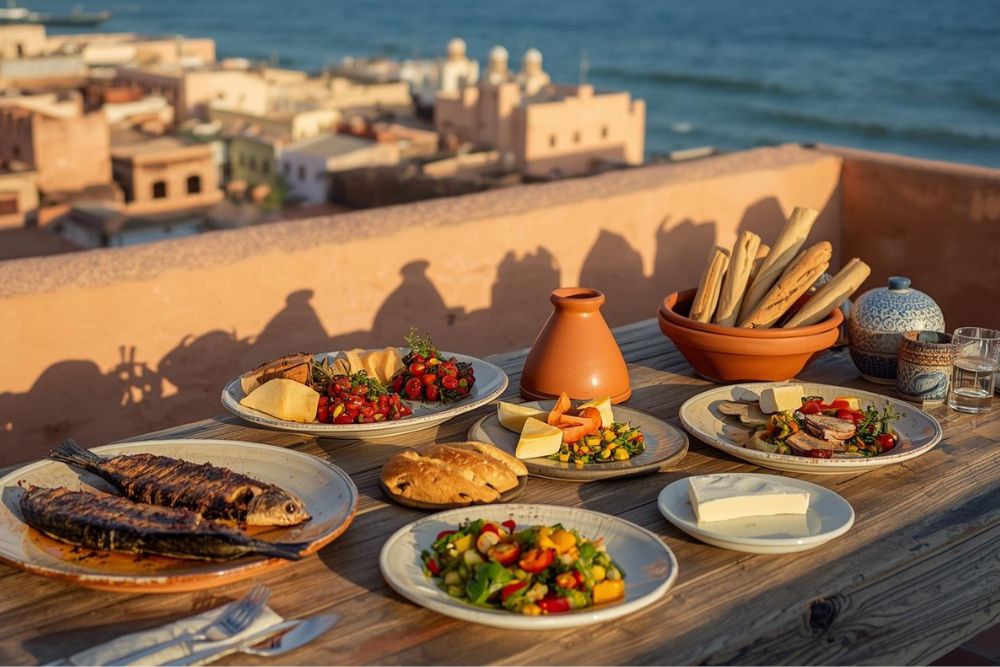
Walking into La Fromagerie or La Table by Madada feels eerily familiar to anyone who’s dined at Berkeley’s legendary Chez Panisse or San Francisco’s Farm:Table. The same philosophy governs: seasonal menus, local sourcing, minimal processing, ingredients that shine through simplicity rather than complexity. Alice Waters would approve completely.Essaouira developed its organic food scene organically rather than as marketing trend. Berber farmers in the surrounding countryside never used industrial pesticides because they couldn’t afford them. When European and American expats arrived seeking organic produce they found it already existed just unlabeled. Now several restaurants source exclusively from these traditional farms and proudly note origins on menus.
La Fromagerie specializes in local goat cheese comparable in quality to California artisan cheese paired with seasonal salads and fresh fish. Their rooftop terrace overlooks the medina and ocean creating the ambiance of Big Sur’s Nepenthe but with Moroccan architecture. Mains run $12 to $18, about thirty percent of what similar quality costs in California.Ocean Vagabond serves the kind of wellness bowls Instagram-famous in Los Angeles: quinoa, roasted vegetables, tahini dressing, fresh herbs, grilled fish or tofu. The owner is a California expat who missed healthy food and created the menu she couldn’t find. Everything sources locally except quinoa which comes from Peru, still more sustainable than most LA restaurants’ supply chains.La Table by Madada occupies a restored riad with indoor and courtyard seating. Chef Stéphane creates French-Moroccan fusion using market ingredients. His seasonal tasting menu costs $35 for five courses and mirrors what California chefs do: showcase ingredients through minimal intervention, let quality speak, celebrate seasons.Daily markets in Essaouira function like California farmers markets but happen every day. The fish market operates sunrise to noon with catches displayed on ice. Vegetable markets scatter through the medina selling produce picked that morning from farms five to fifteen kilometers away. No middlemen, no shipping, no cold storage for weeks. This directness resembles how farm-to-table originally worked before requiring certification.Restaurants take sustainability seriously without virtue signaling. Fish gets selected based on sustainable catches with chefs asking fishermen about population levels. Plastic straws don’t exist. Food waste gets composted or given to people who need it. It’s the Portlandia sketch about knowing the chicken’s name but applied genuinely rather than performatively.A farm-to-table dinner in Essaouira costs $15 to $25 per person. The equivalent meal in San Francisco or Los Angeles runs $60 to $90. The quality difference is negligible and freshness often favors Essaouira because supply chains measure meters not miles. For California foodies tired of paying premium prices for farm-to-table dining, Essaouira demonstrates how accessible this approach becomes when it’s cultural norm rather than upscale trend. Complete restaurant reviews and booking tips show how organic dining thrives at prices that make daily wellness eating actually sustainable.
Argan oil: Morocco’s answer to California superfoods
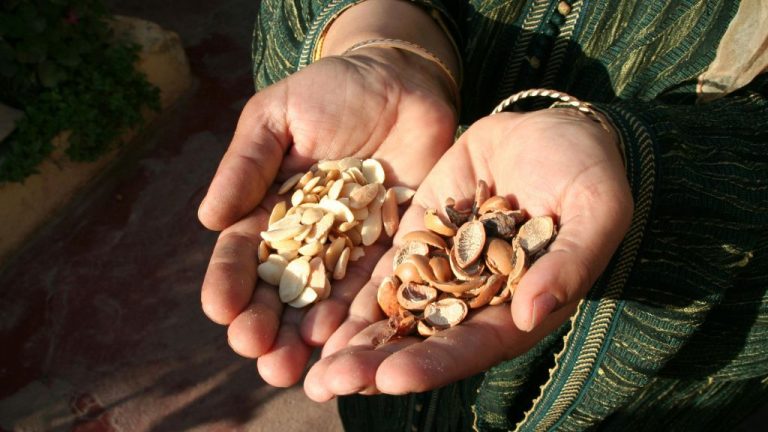
Thirty minutes outside Essaouira, Amazigh women sit in circles cracking argan nuts between stones worn concave from decades of use. The golden oil they produce drop by precious drop contains more vitamin E than olive oil and a fatty acid profile that rivals anything in your Erewhon cart. But visiting these cooperatives offers more than superfood shopping, it reveals how ancient wellness wisdom supports modern women’s economic independence.California embraced argan in beauty products years ago but the culinary applications and direct-from-source experience remain largely undiscovered by American travelers. Culinary argan oil tastes nutty and rich with complexity that develops from roasting the kernels before pressing. It finishes salads, drizzles over couscous, gets mixed with honey and almonds into amlou spread, and generally shows up wherever Moroccans want to add flavor and nutrition.Several women’s cooperatives operate within thirty minutes of Essaouira offering tours that reveal the labor-intensive process behind every bottle. Cooperative Marjana sits about twenty kilometers outside town where around forty women work processing argan nuts through every stage from initial cracking to final bottling. Tours last about an hour and cost roughly $5 per person with proceeds going directly to workers.
These cooperatives represent significant social change in rural Morocco. Traditionally women’s work happened within households generating no independent income. Argan processing cooperatives allow women to earn money, gain financial independence, and make decisions about their lives that weren’t previously possible. The cooperative structure means profits get shared among members rather than enriching outside owners.Research suggests argan’s fatty acid profile supports cardiovascular health by improving cholesterol ratios and reducing inflammation markers. The vitamin E content significantly surpasses most culinary oils with one tablespoon providing about thirty percent of daily recommended intake. Some research indicates argan may help regulate blood sugar levels though the mechanism isn’t fully understood. The anti-inflammatory properties show up in multiple studies with markers of systemic inflammation decreasing when people consume argan oil regularly.Most people who buy Argan oil never open the bottle because they don’t know what to do with it. The strong flavor intimidates and the high price makes them cautious about wasting it. Once you understand the applications argan becomes pantry staple. Amlou represents the classic preparation mixing argan oil with roasted almonds and honey into spreadable paste. Salad dressings benefit enormously from argan’s nutty complexity. Finishing couscous or grain bowls with argan right before serving adds flavor and nutrition without cooking which would damage the delicate compounds.The same oil works for cosmetic purposes with argan penetrating skin effectively delivering vitamin E and fatty acids that support moisture retention and elasticity. Hair treatments using argan reduce frizz and improve shine. The California beauty industry charges $30 to $60 for small bottles of cosmetic argan often cut with other ingredients. Buying pure culinary argan from cooperatives and using it for both cooking and beauty costs less and arguably works better.
TSA regulations allow oil in checked luggage so bringing bottles home presents no problems beyond weight considerations. A bottle costing $15 at a cooperative in Morocco sells for $35 to $45 in California stores. The savings compared to US retail prices justify the luggage space for anyone planning to use argan regularly. To learn more about visiting cooperatives and understanding argan’s health benefits, explore the complete guide to Morocco’s golden superfood and the women preserving its traditions.
Bohemian Essaouira: Morocco’s Venice beach culture
The first thing I noticed walking through Essaouira’s medina wasn’t the Portuguese architecture or the blue-painted doors but the murals. Street art covers walls in the mellah, portraits of Jimi Hendrix appear in unexpected corners, and colorful abstract pieces transform otherwise plain surfaces into outdoor galleries. This wasn’t traditional Morocco, this was bohemia transplanted to North Africa.
Whether Jimi Hendrix actually stayed in Essaouira in 1969 depends on who you ask but the legend captured something true about this town’s spirit. Essaouira attracted counterculture travelers in the late 1960s and early 1970s when Morocco became destination for hippies seeking alternatives to Western materialism. The coastal town’s laid-back vibe, cheap living costs, and tolerance for nonconformity made it natural gathering place. That energy never fully left.
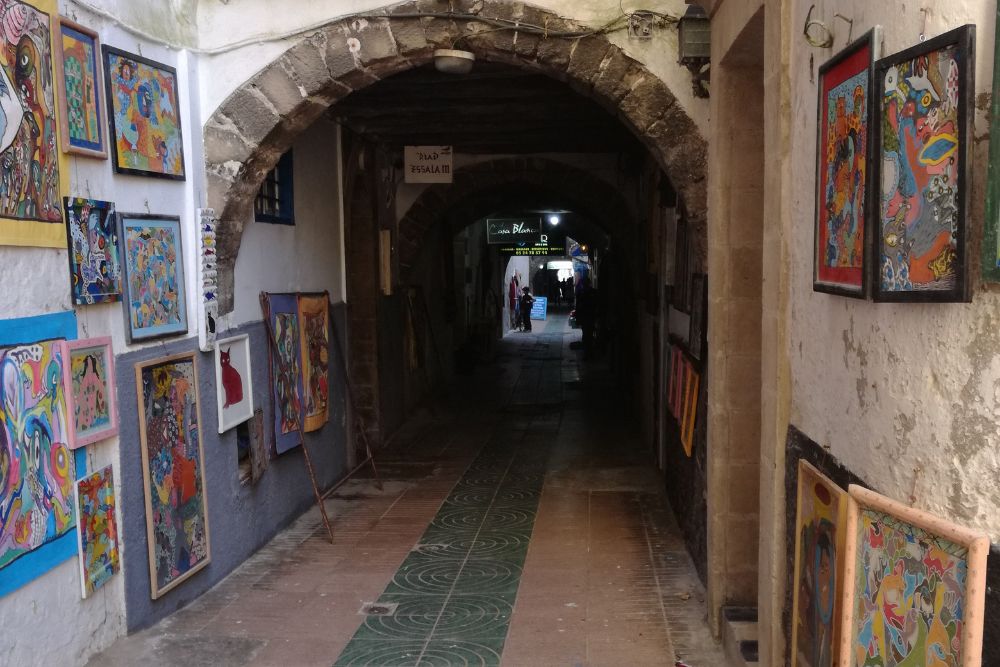
Dozens of working artist studios scatter through Essaouira’s medina streets. Unlike tourist-focused galleries selling mass-produced crafts these spaces function as actual studios where you can watch artists paint, sculpt, or work wood. The thuya wood craftsmen deserve particular attention with the rich reddish-brown wood carved here for centuries. Contemporary artisans create everything from traditional boxes to modern sculptures.
Gnaoua music forms Essaouira’s sonic foundation. This trance-inducing style traces back to sub-Saharan African spiritual traditions brought by descendants of former slaves. The Gnaoua World Music Festival happens every June transforming Essaouira into music capital for four days. International acts share stages with traditional Gnaoua masters creating fusion performances that demonstrate why this music matters beyond historical interest.Taros occupies a restored riad with a rooftop terrace that’s become unofficial gathering place for Essaouira’s creative community. During day it functions as cafe. Most evenings live music happens, sometimes Gnaoua, sometimes jazz fusion, occasionally visiting international acts. The space feels like what Cafe Wha in Greenwich Village must have been in the 1960s or what Hotel Cafe represented in early 2000s Los Angeles.Ocean Vagabond serves double duty as healthy cafe and coworking space. The California expat owner designed it specifically to provide what she missed: fast wifi, good coffee, comfortable seating, and food that supports productivity. Digital nomads claim tables for hours working between surf sessions while local artists use it as meeting place and informal office.The artist exodus from California to places like Essaouira reflects economic realities more than romantic notions about exotic locales. California simply became too expensive for anyone without tech money or trust fund to pursue creative work full-time. In Essaouira a small riad suitable as combined living and studio space rents for $400 to $600 monthly. You can live and work as artist for under $1,000 monthly meaning part-time remote work or modest art sales actually sustain you.Beyond economics the creative community here provides support and inspiration that became harder to find in California. Everyone struggles with the same challenges of making art in the modern world. That shared experience creates bonds and collaborative energy without the competitive atmosphere that defines California art scenes. For complete exploration of Essaouira’s artist studios, music venues, and why creatives are relocating from California, discover how this bohemian culture thrives without the price tags that made Venice Beach unaffordable.
Ocean meditation and coastal mindfulness practices
I rolled out my mat on Essaouira’s beach at sunrise and the practice felt simultaneously foreign and familiar. The Atlantic rolled in with different rhythm than the Pacific I know from California mornings but the fundamentals held: breath syncing with waves, body grounding into sand, mind releasing into horizon. What distinguishes Essaouira’s wellness scene from California’s isn’t quality but accessibility and authenticity.Beach yoga here happens organically rather than as branded classes. Several studios offer proper instruction for those wanting structure but the real gift is how coastal mindfulness weaves through daily life rather than existing as scheduled wellness activities. The beaches stretch for miles with almost nobody on them early morning. No joggers dodging your mat, no beach volleyball games starting up mid-practice, no lifeguard announcements interrupting savasana.Several yoga studios operate in Essaouira offering drop-in classes for travelers alongside regular schedules. Yoga Maroc operates from a riad in the medina with a rooftop space overlooking the ocean. They offer morning and evening classes daily with afternoon workshops several times weekly. Drop-in classes cost around $10 and monthly unlimited passes run $60 compared to $20 to $30 per class and $150 to $200 monthly passes in California.Ocean meditation provides focus point that indoor or mountain meditation lacks. The horizon line gives eyes somewhere to rest, the wave sounds create natural mantra, and the vastness puts personal concerns into perspective. A simple technique involves sitting comfortably and watching waves without trying to count or predict them. Just observe how each wave differs slightly from the last. Your mind will wander and when you notice it wandering you return attention to waves.The ramparts overlooking Essaouira’s harbor provide perfect sunset meditation spot. Locals and visitors gather here every evening not as organized event but as collective understanding that watching sunset matters. The gathering feels ceremonial without being religious, communal without requiring interaction. This daily ritual costs nothing, requires no special equipment, and welcomes everyone regardless of experience level.Several operations run yoga retreats combining asana practice with meditation, breathwork, healthy meals, and cultural experiences. Week-long retreats run $600 to $1,000 including accommodation, meals, all yoga instruction, and cultural activities. Equivalent retreats in California or Central America cost $1,500 to $3,000. The affordability makes retreats accessible to yoga teachers and others who value practice but don’t have unlimited disposable income.
What makes Essaouira valuable for yoga practitioners beyond just cheap classes is how the environment supports practice as lifestyle rather than scheduled activity. The slower pace, the daily rhythms tied to natural cycles, the acceptance of taking time for contemplation all create conditions where practice integrates into life seamlessly. Morning beach walks before breakfast become walking meditation without labeling them as such. The lessons learned here transfer back home about not needing perfect studios or expensive equipment. For detailed class schedules, retreat options, and meditation techniques enhanced by Atlantic energy, explore the complete guide to coastal wellness practices that make Essaouira feel like California’s spiritual sister.
Plant-based paradise: Vegan dining in Essaouira
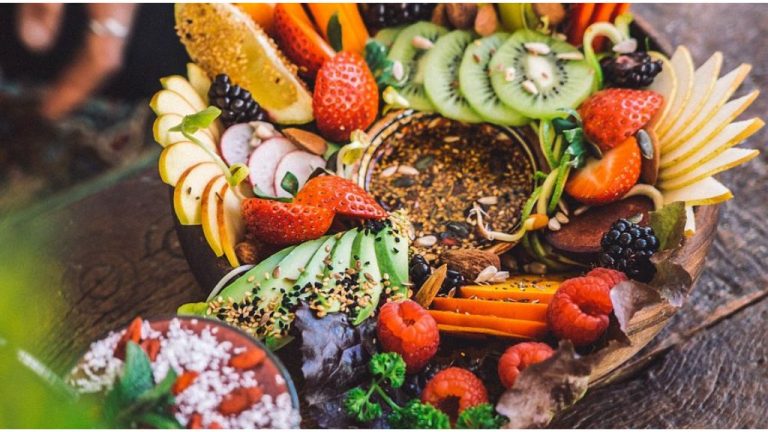
Finding truly satisfying vegan food in Morocco sounds challenging until you realize traditional cuisine already features vegetable tagines, lentil soups, chickpea-based dishes, and grain preparations that need zero modification. The foundation is plant-forward by nature because meat historically showed up in Moroccan cooking as accent rather than centerpiece. Essaouira builds on this foundation with restaurants specifically understanding plant-based eating as health choice.Traditional Moroccan meals start with multiple vegetable salads called mezze. Zaalouk combines roasted eggplant with tomatoes, garlic, and spices. Taktouka features peppers and tomatoes cooked until they meld together. These dishes aren’t side thoughts but central components receiving as much attention as any meat preparation. Vegetable tagines appear on every restaurant menu not as accommodation but as legitimate choice Moroccans actually order.
Ocean Vagabond opened specifically to serve the health-conscious crowd including significant vegan and vegetarian population among Essaouira’s expat and long-term traveler community. Their Buddha bowls feature quinoa or brown rice as base, roasted seasonal vegetables, leafy greens, pickled items, nuts or seeds, and house-made dressings like tahini-lemon or cashew-herb. Everything gets sourced from local farms when possible.
La Table by Madada features seasonal tasting menu that always includes several courses naturally vegan or easily adapted. The chef uses vegetables and plant proteins with same care and technique applied to fish or meat dishes. A recent menu included heirloom tomato carpaccio with preserved lemon, white bean and harissa soup, eggplant tagine with dates and almonds, and orange blossom sorbet.
Moroccan cuisine offers multiple plant protein sources beyond obvious beans and lentils. Chickpeas show up everywhere in various forms. Lentils in various colors provide different textures and flavors. Almonds feature prominently appearing in both savory and sweet preparations. Seeds including sesame, pumpkin, and sunflower get used for both nutrition and flavor.Vegan meal in Essaouira costs dramatically less than equivalent food in California. A substantial Buddha bowl at Ocean Vagabond runs $7 compared to $15 to $18 at similar California cafes. Traditional vegetable tagine with salads costs $5 to $8 versus $12 to $16 back home. The difference means you can eat out regularly without destroying your budget.Eating seasonally happens automatically because that’s what the markets sell. Spring brings peas, fava beans, artichokes, and early greens. Summer means tomatoes, peppers, eggplant, and zucchini. Fall delivers squash, root vegetables, pomegranates, and late figs. Winter focuses on citrus, root vegetables, and preserved foods. This seasonal rhythm connects you to agricultural cycles in ways supermarket abundance erases.
Plant-based diet combined with Essaouira’s lifestyle creates conditions supporting wellness goals California vegans pursue but often struggle to maintain consistently at home. The food is demonstrably less processed than typical American vegan products. Walking everywhere provides consistent movement. The slower pace reduces stress. The community aspect with shared meals supports both mental health and healthy relationship with food. For comprehensive vegan restaurant guides, menu adaptations, and plant-based shopping tips, discover how traditional Moroccan cuisine naturally aligns with California wellness values without requiring specialty products or premium pricing.

A moment of balance
Essaouira teaches wellness through subtraction rather than addition. There are no elaborate spa menus or structured detox programs but the ocean air cleanses your lungs with every breath, the fresh fish nourishes without inflammation, and the perpetual wind reminds you to release what no longer serves. The town’s relaxed tempo becomes your tempo if you let it.The fishing boats that wake you before dawn aren’t an inconvenience but an invitation to align with natural rhythms. The wind that tangles your hair isn’t a nuisance but a massage from the Atlantic itself. The simple grilled sardines that cost almost nothing deliver more omega-3s than expensive supplements ever could. The sunset watched from ramparts with strangers who become friends provides better therapy than any session costing hundreds of dollars.What makes Essaouira’s approach to wellness different from Marrakech’s structured retreats or California’s monetized mindfulness is its insistence on simplicity. Health here doesn’t require complicated recipes or exclusive ingredients. It flows from doing what coastal people have done for centuries: eating what the ocean provides, moving with the wind instead of against it, and letting the rhythm of waves pace your days.The artist women cracking argan nuts teach patience. The fishermen mending nets at sunset demonstrate sustainable living. The Gnaoua musicians channeling ancestral healing show that wellness encompasses more than physical health. The surfers sharing waves willingly remind you that community matters more than competition. Every element of life here contains lessons if you slow down enough to receive them.Your time in Essaouira might be measured in days or weeks but the practices you learn transfer home. The understanding that wellness doesn’t require expensive studios or exclusive programs, that healthy food becomes accessible when you buy directly from people who grow it, that creative expression feeds the soul as much as organic meals nourish the body. These aren’t exotic Moroccan concepts but human truths that California’s wellness industry obscured behind premium pricing and complicated programs.The parallel between Essaouira and California’s coastal towns isn’t coincidental. Both places developed around ocean relationship, both attracted people seeking alternatives to mainstream culture, both value creativity and individual freedom within community context. The difference is Essaouira hasn’t yet been discovered and commodified to the point where only wealthy people can afford to live its values.For California wellness seekers exhausted by paying premium prices for what should be basic human experiences, Essaouira offers more than just affordable vacation. It provides working model of how wellness culture might look when it stays rooted in community and tradition rather than becoming luxury product. The lessons here about integration, simplicity, and accessibility apply whether you stay a week or relocate permanently.The sardines won’t taste the same in your California kitchen and you can’t recreate the exact light that makes Essaouira’s sunsets so magical. But the principles remain. Fresh simple food eaten with gratitude. Movement woven naturally into daily life. Creative expression as essential practice not hobby. Community built through sharing rather than competing. These travel home with you if you pay attention.
To begin integrating these lessons immediately, start with the most transformative practice Essaouira offers. The surf culture demonstrates how ocean connection combined with proper nutrition and community support creates wellness that feels like play rather than work, exactly what brought many of us to California beaches in the first place before crowds and costs made it complicated.