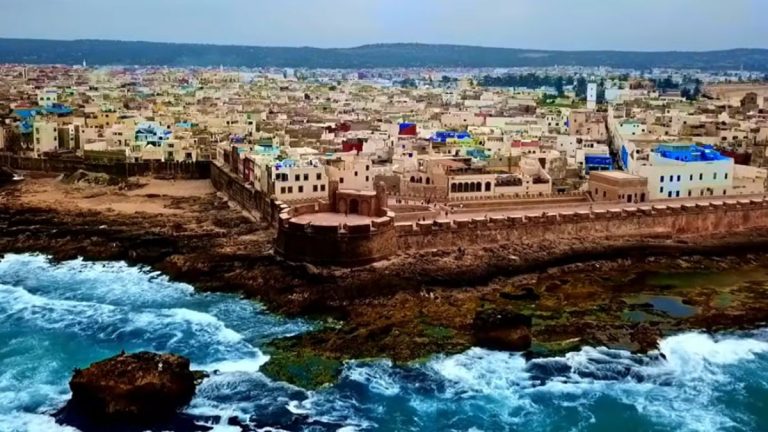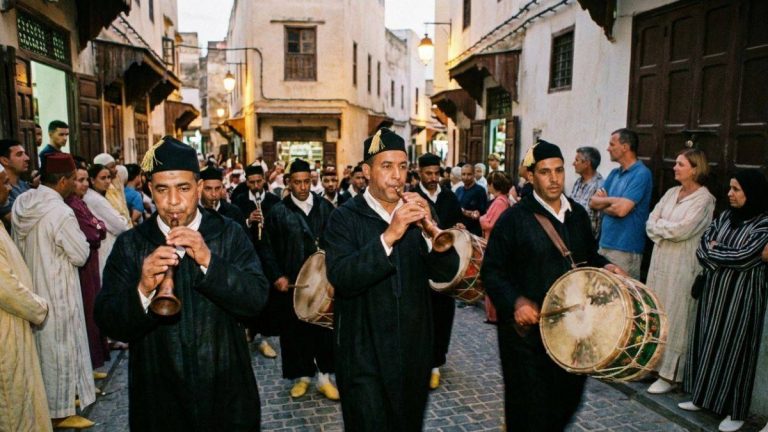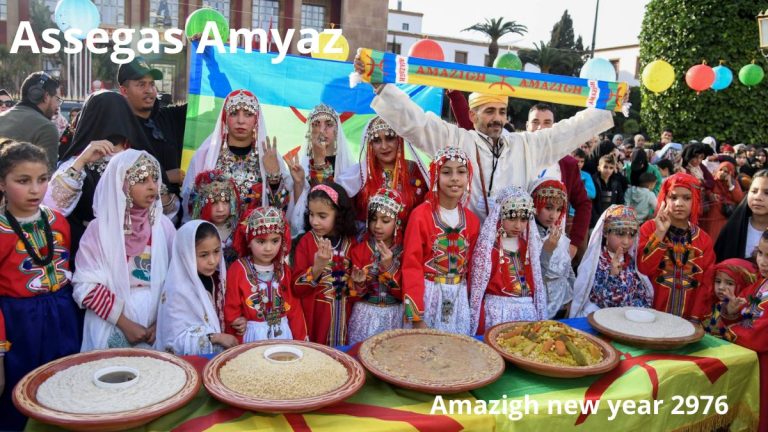

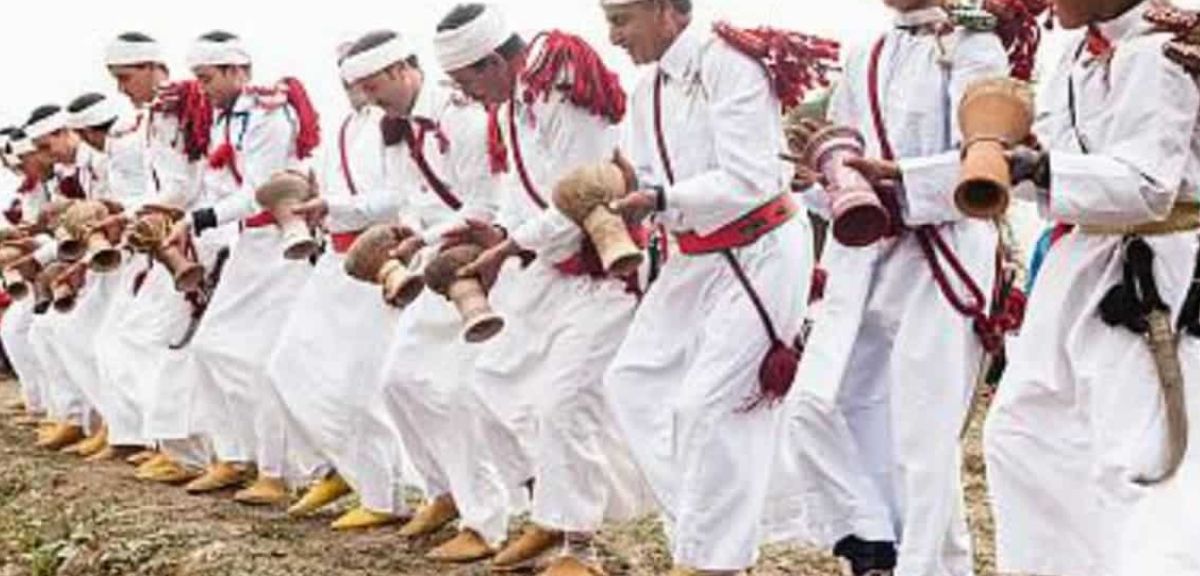
I didn’t come to Agadir looking for transformation. I came for quiet a stretch of Atlantic coast, a break from deadlines, maybe some good mint tea. But on my second evening, as I walked past the rebuilt kasbah at sunset, I heard drums. Not recorded beats from a beach bar, but live, resonant, slightly uneven rhythms rising from a courtyard below. I followed the sound and found a small gathering: elders clapping, children dancing barefoot, a woman singing in Tachelhit with her eyes closed. No audience. No stage. Just people, together, remembering who they are through rhythm.
That moment changed everything. Because what I discovered wasn’t just a festival, it was a way of being. In Agadir, cultural events aren’t performances. They’re invitations to participate in something older, deeper, and more human than tourism. And for travelers from the Delmarva Peninsula, where community lives in church suppers, boatyard conversations, and seasonal tides this resonance feels less like discovery and more like return.
Agadir is often reduced to its beaches or its post-earthquake modernity. But beneath the surface pulses a living Amazigh (Berber) soul, shaped by the Souss Valley, the Atlantic wind, and centuries of spiritual continuity. When festivals happen here, whether global gatherings like Timitar or intimate village moussems, they don’t just entertain. They heal, connect, and awaken. This guide is for those who sense that travel can be more than sightseeing. It’s for the ones ready to listen, to sit, to share bread, and to let a place change them, not through grand gestures, but through quiet presence.
The Rhythm of the Souss: Why Agadir’s Cultural Pulse Calls to the Seeker Within
Agadir’s true heartbeat doesn’t come from its port or promenade. It rises from the Souss Valley, the fertile corridor between the High Atlas and the Anti-Atlas where Amazigh language, music, and craft have thrived for millennia. This isn’t folklore preserved behind glass. It’s daily life: the pattern on a rug, the lilt of a market vendor’s greeting, the way tea is poured from a height to aerate the mint. And when festivals emerge here, they draw directly from that wellspring.
Unlike cities where culture is curated for export, Agadir’s events feel organic. A neighborhood moussem might begin with a prayer at dawn and end with shared lamb stew under string lights. No tickets. No barriers. Just an open circle. For American travelers used to scheduled experiences, this fluidity can feel disorienting at first. But lean into it. The magic lives in the unplanned pause, the hand on your shoulder inviting you to sit, the moment you realize you’ve stopped taking photos and started simply belonging.
What makes this region unique is its synthesis of resilience and openness. Rebuilt after the 1960 earthquake with modern infrastructure, Agadir never severed its roots. Instead, it wove them into its new skin. Today, that duality shows in its festivals: deeply local yet globally curious, spiritual yet celebratory, ancient yet alive. You don’t need to “understand” everything to feel it. Just show up with humility, and let the rhythm find you.
If you’re drawn to places where culture isn’t performed but lived, start by tuning into the foundational pulse of the Souss. For a closer look at how Agadir’s identity shapes its festivals, explore The Rhythm of the Souss: Agadir Cultural Festivals Unveiled
Timitar Festival: Where Global Sounds Meet Amazigh Roots
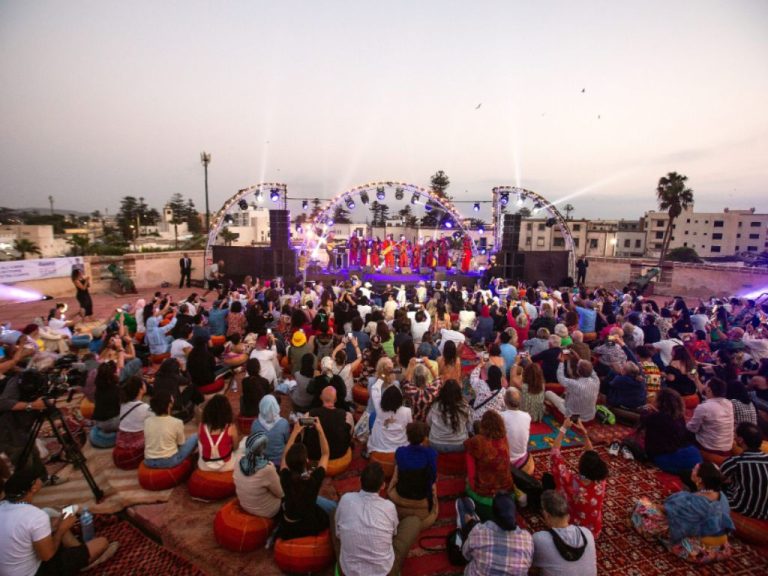
Every July, Agadir’s seafront transforms into a living crossroads. On one stage, a Tuareg guitarist bends notes like desert wind. On another, a female Amazigh poet recites verses that speak of land, language, and resistance. In between, crowds flow, not as spectators, but as participants, sipping mint tea, swaying in clusters, sometimes joining impromptu drum circles on the sand. This is Timitar, a festival whose name means “roots” in Tachelhit, and it’s unlike any music event you’ve attended.
Founded in 2004 to amplify Amazigh voices, Timitar has grown into one of North Africa’s most respected world music gatherings. But its soul remains local. Organizers don’t chase headliners for buzz. They curate conversations between Gnawa trance and Senegalese mbalax, between Berber lullabies and Scandinavian folk. The result isn’t fusion for novelty’s sake, but dialogue rooted in mutual respect.
I remember standing near the main amphitheater during a late-night set when a Malian kora player began a duet with an elder from the Souss Valley. No translation was offered. None was needed. The music carried its own grammar, one of longing resilience, and shared humanity. Around me, strangers sat shoulder to shoulder, eyes closed, not clapping on the beat but moving within it. That’s the essence of Timitar: it doesn’t demand your attention. It invites your presence.
Beyond the concerts, the festival spills into workshops, film screenings, and artisan markets where women’s cooperatives sell handwoven rugs dyed with saffron and pomegranate. You might learn the basics of the bendir drum from a master healer or share msemen pancakes with musicians at dawn. These margins are where transformation happens, not in the spotlight, but in the quiet exchange.
For travelers from the Delmarva Peninsula, where summer means bluegrass jams and beach bonfires, Timitar feels both foreign and familiar. It honors place while welcoming the world, a balance many coastal communities understand deeply. And because it’s held along the Corniche, the ocean is always there, breathing beneath every note.
If you’re planning to attend, come with open ears and an open schedule. Let the music guide you off-program. And if you’d like to know exactly when Timitar takes place, what to expect offstage, and how to move through it with intention, dive into Timitar Festival Agadir Dates and Soulful World Music Guide
Sacred Celebrations: Experiencing Spiritual Festivals in and Around Agadir
Not all festivals in Agadir have stages, sound systems, or ticket booths. Some unfold in silence, in the flicker of oil lamps inside a whitewashed shrine, in the hushed chant of elders gathered before dawn, in the shared weight of a communal meal offered without expectation. These are the spiritual festivals, known locally as moussems, and they form the quiet backbone of cultural life in the Souss region.
Rooted in Sufi Islam and Amazigh ancestral tradition, moussems honor local saints, often marabouts believed to carry baraka (blessing), and mark seasonal transitions like harvests or rains. They’re not religious tourism. They’re acts of community devotion, open to outsiders who approach with humility. I once attended one near Aourir where fishermen gathered at sunrise to pray for safe voyages. There were no speeches, just a low murmur of voices rising with the tide, followed by a simple breakfast of bread, olives, and tea passed hand to hand.
What distinguishes these gatherings is their intimacy. You won’t find them advertised online. Dates shift yearly, often tied to the lunar calendar or agricultural cycles. Locals learn through word of mouth, a nod from a neighbor, an invitation over mint tea. As a visitor, your access depends not on payment but on presence. Dress modestly. Speak softly. Accept what’s offered. And never assume you’re entitled to witness everything. Some rituals remain private, and that boundary is part of the respect.
The sensory texture of these events lingers long after you leave. The scent of benjoin resin burning in clay censers. The rough weave of prayer mats beneath your knees. The taste of dates pressed into your palm by a woman whose name you may never know. These aren’t performances. They’re transmissions of faith, memory, and belonging.
For American travelers accustomed to structured itineraries, this unpredictability can feel unsettling. But lean into it. Let go of the need to “see everything.” In these spaces, depth matters more than breadth. One hour spent in silent companionship can recalibrate your inner compass more than a week of sightseeing.
If your journey seeks meaning beyond music and markets, if you’re drawn to the sacred undercurrents that shape daily life in Morocco, these celebrations offer a rare doorway. To understand how to find them, when they occur, and how to participate with grace, visit Spiritual festivals near Agadir: Sacred celebrations revealed
Beyond the Stage: Immersive Cultural Encounters During Agadir’s Event Season
The most transformative moments in Agadir rarely happen under spotlights. They occur in sunlit courtyards where hands shape clay into bowls, in kitchens where grandmothers teach visitors to roll msemen dough, or on quiet beaches where musicians unpack their instruments after midnight just to play for the ocean and anyone willing to listen. When festivals like Timitar or local moussems fill the city with energy, they also unlock these intimate spaces, turning celebration into shared life.
Cultural immersion here isn’t packaged. It’s offered. A weaver might invite you to sit beside her loom and try your hand at a Berber symbol. A fisherman could gesture for you to join his family’s evening meal after a moussem prayer. These aren’t transactions. They’re acts of trust, small bridges built across language and geography. And they thrive during event season, when the usual boundaries between “local” and “visitor” soften.
I remember spending an afternoon in Anza during Timitar, not at a concert, but in a courtyard where women from a cooperative were demonstrating argan oil extraction. The rhythmic grinding of roasted kernels filled the air, releasing a nutty, warm scent that clung to my clothes for days. No one spoke much English, but smiles and gestures carried the conversation. By the end, I wasn’t just watching, I was pressing kernels myself, laughing at my clumsy technique, sharing bread dipped in fresh oil. That cup of oil now sits on my shelf in Maryland, not as a souvenir, but as a reminder: culture is lived, not observed.
These encounters deepen your understanding in ways no museum can. You learn the weight of a handwoven rug by feeling its texture. You grasp the rhythm of Amazigh poetry by hearing it sung, not read. And you understand hospitality not as service, but as worldview, where offering tea is an act of kinship.
To find these moments, slow down. Skip one scheduled event to wander the medina. Ask your guesthouse owner what’s happening “in the neighborhood.” Say you’d love to “meet people” or “learn how things are made.” Curiosity, expressed gently, opens doors. And always bring patience. Plans shift. Invitations arrive last minute. The best experiences often begin with a detour.
If you’re ready to move from audience to participant, to touch, taste, and truly connect, these immersive pathways await. For practical guidance on weaving them into your journey, explore Cultural Immersion Agadir Events: Go Beyond the Festival Stage.
Planning Your Soul-Aligned Trip: When to Visit Agadir for Meaningful Events
Timing your visit to Agadir isn’t just about weather or crowds. It’s about alignment with the cultural calendar, with your own need for depth, and with the rhythms of a place that measures time in harvests, tides, and shared song. For travelers from the Delmarva Peninsula where seasons dictate everything from crabbing to church suppers this intuitive approach to timing will feel familiar.
The richest window for cultural and spiritual events runs from April through October, with two distinct peaks. Late spring (April–June) brings village moussems tied to planting and blessing rituals. These gatherings are modest but profound: families walking miles to shrines, communal meals under almond trees, quiet prayers at whitewashed tombs. The air carries the scent of wild thyme and slow-roasted lamb. Temperatures are mild, and the pace is unhurried ideal for travelers seeking authenticity over spectacle.
Then comes July, when Agadir’s energy shifts. The Timitar Festival fills the Corniche with global music rooted in Amazigh identity. Evenings pulse with concerts, but days belong to workshops, artisan markets, and spontaneous encounters. The ocean offers constant relief from the summer warmth, and the city feels vibrantly connected. Book accommodations early guesthouses in Talborjt and Anza fill fast, but know that the real magic happens off-program, in late-night conversations and beachside jam sessions.
Early autumn (September–October) offers a quieter return to spiritual rhythm. Summer crowds fade, temperatures soften, and smaller moussems reappear. I once spent a September afternoon in a zaouia outside Agadir during a Sufi gathering where the only sound for nearly an hour was the collective breath of men in dhikr meditation. The light was honey-gold, slanting through arched windows onto worn prayer rugs. Moments like this aren’t listed on tourism sites. They’re found through presence and well-timed curiosity.
Avoid November through March if your focus is festivals. While Agadir remains pleasant, most cultural programming pauses. That said, winter offers solitude perfect for kasbah walks, coastal hikes, and hammam rituals, but not the communal energy of event season.
Build margin into your schedule. Don’t pack every hour. Let one morning unfold over mint tea and bread. Say yes to detours. Some of my deepest moments in Agadir happened when I missed a planned event but stumbled into a neighborhood celebration instead, the kind with no name, no website, just open arms.
If you’re ready to let timing become part of your journey, not just logistics, but intention start by choosing your season with care. For a month-by-month guide to planning a trip that resonates with both heart and calendar, see Best time for festivals in Agadir: Plan your soul aligned trip
Agadir complette travel guide
Agadir reveals its soul not in postcard views, but in the spaces between events in the shared silence after a chant, the warmth of bread passed hand to hand, the rhythm of drums that echo long after you’ve left the coast. This guide is for those who come not to consume culture, but to meet it halfway. It’s built for travelers from the Delmarva Peninsula who value depth over distraction, connection over convenience, and wellness as a way of being not just a spa treatment.
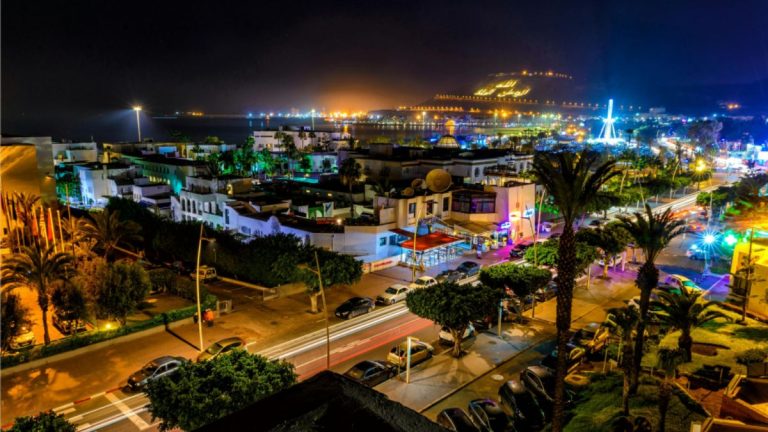
At its core, Agadir is a city of resilience and roots. Rebuilt after the 1960 earthquake with modern infrastructure, it never lost its Amazigh heart. Today, that duality shapes its event scene: globally curious yet locally grounded, celebratory yet spiritual, accessible yet deeply authentic. Whether you’re here for three days or three weeks, your experience will deepen when you align it with the city’s living calendar.
The anchor is Timitar Festival (mid-July), where world music meets Amazigh identity on stages along the Atlantic. But don’t stop there. Equally transformative are the spiritual moussems, local saint festivals held in spring and autumn that offer quiet access to Sufi dhikr, communal feasts, and ancestral remembrance. These aren’t performances. They’re invitations to witness and sometimes join a continuity older than nations.
Wellness here flows through cultural practice. A traditional hammam isn’t just cleansing; it’s weekly ritual. Argan oil isn’t just skincare; it’s women’s cooperative heritage. Even walking the kasbah at dawn becomes meditation when you let the ocean’s breath set your pace.
For itineraries, start simple. A 3-day visit might include one Timitar concert, a morning market walk, and a hammam session followed by tea with a local artisan. A 5-day journey adds a village moussem (ask your guesthouse for current dates) and a weaving workshop. With 7+ days, consider a retreat-style stay in Taghazout for yoga and reflection, then return to Agadir for Timitar’s closing night a candlelit tribute to unity that often leaves visitors in tears.
Practical wisdom matters. Stay in family-run guesthouses in Talborjt or Anza for authenticity. Pack light cottons, a scarf (for sun and modesty), and an open schedule. Learn “shukran” (thank you) and “bismillah”, small phrases that carry big respect. And always ask before photographing people, especially during rituals.
Frequently asked questions arise often:
Can I attend a private moussem? Only if invited, never show up unannounced.
Is photography allowed during ceremonies? Generally no; keep your phone away. Do I need to speak Arabic? No, but presence speaks louder than fluency.
This isn’t a checklist. It’s a compass. And if you’re ready to navigate Agadir with both curiosity and care, begin with the full vision of this living destination in the Agadir Festival Travel Guide: Events, Culture and Wellness.
Travel changes us not through monuments, but through moments, when a stranger’s hand guides yours over clay, when a chant rises in a language you don’t know but your body understands, when silence becomes conversation. In Agadir, those moments aren’t rare exceptions. They’re the rhythm of daily life, especially during its festivals and spiritual gatherings. For travelers from the Delmarva Peninsula, where community is built through shared tides, harvests, and front-porch talks, this resonance feels less like discovery and more like homecoming.
You don’t need to speak Tachelhit to belong here. You only need to listen. To slow down. To accept tea when offered, sit when invited, and let go of the need to “see everything.” The deepest journeys happen in the margins: after the concert, before dawn, around a shared table with no menu. That’s where culture lives, not as performance, but as presence.
If you’re ready to step into that space, not as a tourist, but as a guest, start with the foundation. Let the pulse of the Souss guide your first steps. For a clear, compassionate entry point into Agadir’s living traditions, begin with The Rhythm of the Souss: Agadir Cultural Festivals Unveiled