
Marrakech enchants travelers with its vibrant red walls rising against the dramatic backdrop of the Atlas Mountains. From exploring the bustling Jemaa el-Fnaa square to relaxing in traditional riads this imperial city promises unforgettable adventures. Wander through the colorful souks of the medina marvel at the towering Koutoubia Mosque or find tranquility in the stunning Majorelle Garden. Experience the magic of storytellers and snake charmers as evening falls over the main square. Whether you seek historical palaces like Bahia Palace cultural immersion authentic hammam experiences or desert excursions to the Sahara this complete guide to Morocco’s red jewel helps you discover the experiences that make Marrakech truly magical.
Explore the medina and Koutoubia Mosque
The Koutoubia Mosque dominates Marrakech’s skyline with its iconic 77-meter minaret visible from across the city. Walking through the medina feels like stepping into a living museum where centuries-old traditions continue unchanged. Red clay buildings line narrow alleys and local residents navigate the maze with practiced ease.
The mosque itself cannot be entered by non-Muslims but the surrounding gardens provide peaceful respite and excellent photo opportunities. The minaret’s proportions influenced Islamic architecture across North Africa and Spain. Evening prayers echo across the medina creating an atmospheric soundtrack.
The medina walls stretch for 19 kilometers around the old city creating the largest car-free urban area in Morocco. Budget at least half a day to properly explore the main arteries. Get lost in the side passages away from tourist routes. You’ll discover neighborhood bakeries, small mosques and residential quarters that showcase authentic Marrakech life.
Relax at Jemaa el-Fnaa Square
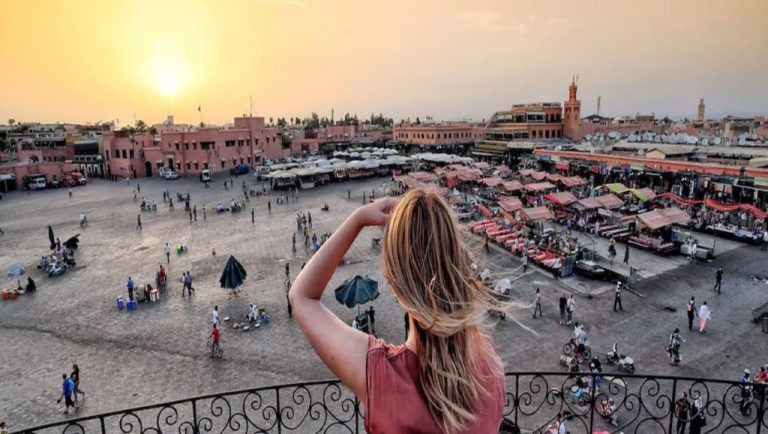
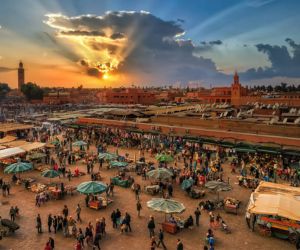
Jemaa el-Fnaa might be Morocco’s most famous public space. This vast square transforms throughout the day from a relatively quiet morning gathering place to an evening spectacle of food stalls, musicians and storytellers. UNESCO recognized it as a Masterpiece of Oral and Intangible Heritage.
Arrive in late afternoon to watch the transformation begin. Snake charmers, henna artists and orange juice vendors set up their spots as the temperature cools. By evening the square fills with smoke from grilled meat stalls and the sounds of traditional Gnawa music.
Find a rooftop cafe overlooking the square for the best perspective. The elevated view reveals the organized chaos below while providing escape from the intense ground-level activity. Sunset draws the largest crowds but early morning visits offer solitude and equally magical light.
Shop in the Traditional Souks
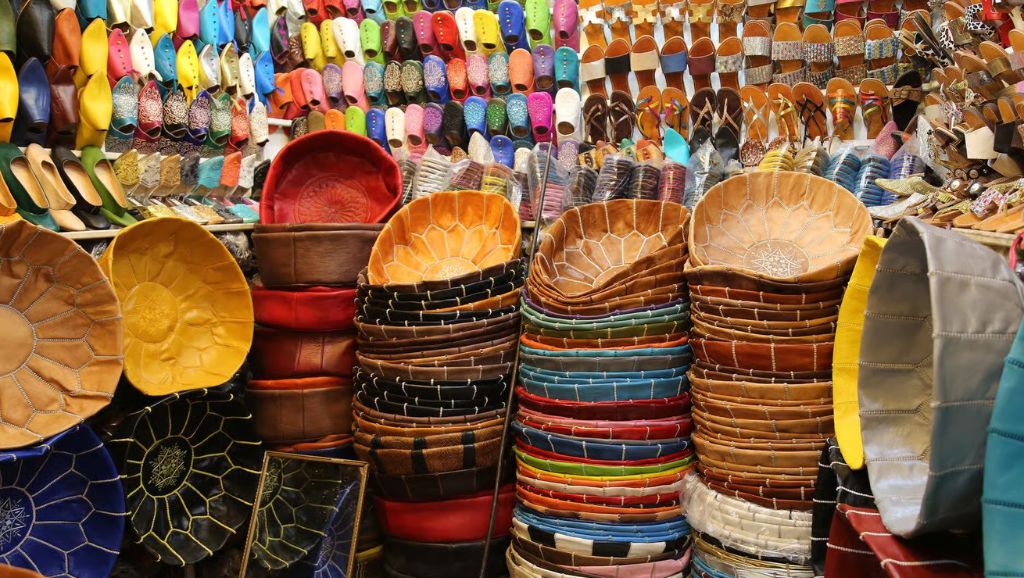
The souks north of Jemaa el-Fnaa create a labyrinth of specialized markets covering 600 acres. Each souk focuses on specific crafts from leather goods to metalwork to spices. The sensory overload of colors, sounds and smells can feel overwhelming but represents Marrakech’s commercial heart.
The leather souk specializes in bags, shoes and jackets with quality varying dramatically. Prices start inflated so expect to negotiate down to 40-50 percent of initial quotes. Don’t buy unless genuinely interested because persistent sales tactics can make browsing uncomfortable.
Spice vendors create colorful displays of saffron, ras el hanout, preserved lemons and mysterious blends. These make excellent lightweight gifts. Ask vendors to explain traditional uses in Moroccan cooking. The textile souk offers carpets, scarves and traditional clothing with some pieces representing months of handwork.
Visit the Saadian Tombs
Hidden for centuries until their rediscovery in 1917 the Saadian Tombs contain the elaborate mausoleums of 16th-century sultans and their families. The intricate plasterwork, marble columns and cedar ceilings rival anything in Granada’s Alhambra.
The main mausoleum houses 66 members of the Saadian dynasty in chambers decorated with Italian Carrara marble and intricate geometric patterns. The Hall of Twelve Columns represents the finest example of Moroccan decorative arts. Photography is allowed but flash is prohibited to preserve the delicate materials.
Admission costs 70 dirhams and supports ongoing conservation efforts. Plan 45 minutes to properly explore the three main chambers. Early morning visits avoid crowds and provide better lighting for appreciating the architectural details.
Discover Bahia Palace
Bahia Palace showcases 19th-century Moroccan palace architecture at its finest. Built for Grand Vizier Ahmed ibn Moussa the palace name means “brilliance” and reflects the opulent lifestyle of Morocco’s ruling elite. Rooms open onto courtyards filled with orange trees and fountains.
The palace covers eight hectares with 160 rooms though only a portion is open to visitors. Painted cedar ceilings, zellige tilework and marble fountains demonstrate the craftsmanship possible with unlimited budgets. Each room showcases different decorative themes and techniques.
French colonial authorities used the palace as their headquarters adding European elements that create interesting cultural contrasts. Guided tours provide historical context but the palace is easily explored independently. Budget 1-2 hours for a thorough visit.
Experience Majorelle Garden
Created by French artist Jacques Majorelle in the 1920s and later owned by Yves Saint Laurent this 12-acre garden provides an oasis of calm away from medina chaos. The electric blue buildings contrast dramatically with desert plants and create one of Marrakech’s most photographed locations.
Over 300 plant species from five continents thrive here including massive cacti, bamboo forests and colorful bougainvillea. The Islamic Art Museum houses Saint Laurent’s personal collection of North African artifacts. The designer’s ashes are scattered in the rose garden creating a pilgrimage site for fashion lovers.
Admission costs 150 dirhams with an additional fee for the museum. Early morning visits avoid crowds and provide ideal lighting. The adjacent Yves Saint Laurent Museum showcases the designer’s work and relationship with Morocco.
Explore El Badi Palace
El Badi Palace ruins hint at the grandeur that once rivaled European royal residences. Built by Sultan Ahmad al-Mansur in the late 16th century using gold from Sudan and marble from Italy the palace took 25 years to complete. Contemporary accounts described it as a wonder of the world.
Today only walls and foundations remain but the scale is impressive. Underground passages, enormous courtyards and remnants of decorative pools give a sense of the original magnificence. Storks nest on the remaining walls adding life to the archaeological site.
The palace museum displays artifacts found during excavations and provides historical context. Climb the ramparts for panoramic views over the medina and Atlas Mountains. Sunset lighting transforms the red clay ruins into a photographer’s paradise.
Wander the gueliz district
Gueliz represents modern Marrakech with wide boulevards, contemporary architecture and international businesses. Built during the French protectorate this district provides a stark contrast to the medina’s medieval atmosphere. Avenue Mohammed V serves as the main artery connecting old and new Marrakech.
Modern cafes, restaurants and shops cater to locals and expatriates seeking familiar comforts. The architecture mixes Art Deco influences with Moroccan elements creating a unique colonial style. Tree-lined streets provide shade and a more relaxed pace than the intense medina.
Evening strolls through Gueliz offer glimpse into contemporary Moroccan life. Young locals gather in cafes and the atmosphere feels distinctly urban and modern. This district works well for meals or shopping when medina intensity becomes overwhelming.
Day trip to Atlas Mountains
The Atlas Mountains rise dramatically south of Marrakech offering escape to Berber villages, waterfalls and snow-capped peaks. Day trips to Ourika Valley or Imlil village showcase traditional mountain life and stunning scenery just two hours from the city.
Ourika Valley follows a river through terraced hillsides to Setti Fatma waterfalls. The journey passes traditional Berber villages where locals maintain centuries-old agricultural practices. Spring brings wildflowers and rushing water while winter offers snow-capped mountain views.
Imlil serves as base camp for Mount Toubkal, North Africa’s highest peak. Even without serious hiking the village offers spectacular mountain panoramas and traditional Berber hospitality. Shared taxis connect Marrakech to both destinations regularly.
Watch sunset from Menara gardens
The Menara Gardens offer peaceful escape with olive groves, a large reflecting pool and mountain views. Created in the 12th century as royal gardens the site provides classic Marrakech photography with the Atlas Mountains backdrop. The pavilion reflects perfectly in the central basin creating iconic images.
Late afternoon brings golden light that illuminates the surrounding olive trees and distant peaks. Local families picnic here especially on weekends creating a relaxed social atmosphere. The gardens represent traditional Islamic garden design with geometric layout and water features.
Entry is free making this one of Marrakech’s best values. Vendors sell fresh orange juice and snacks near the entrance. The 10-minute walk from the medina provides gentle exercise and anticipation for the mountain views.
Experience a traditional hammam
Traditional hammams provide quintessential Moroccan relaxation through steam baths, black soap scrubs and vigorous exfoliation. These communal bathing spaces follow specific rituals involving different temperature rooms and treatments that leave skin incredibly soft.
Local hammams charge 30-50 dirhams and cater primarily to neighborhood residents. The experience can feel intimidating for first-timers but hammams are deeply social spaces where locals relax and gossip. Bring towels, soap and change of Rituals & spiritual life of marrakech: unseen pathways of devotion .
Luxury hotel hammams offer more privacy and English-speaking attendants for higher prices. These work better for modest bathers uncomfortable with communal situations. Either option provides authentic Moroccan wellness traditions dating back centuries.
Visit Ben Youssef Madrasa
This 16th-century Islamic college ranks among Morocco’s architectural masterpieces with intricate stucco work, carved cedar and colorful zellige tiles. Once housing 900 theology students the madrasa demonstrates Islamic educational traditions and decorative arts.
The central courtyard features a marble fountain surrounded by prayer halls and student dormitories. Each surface displays geometric patterns or Arabic calligraphy creating a overwhelming visual experience. The craftsmanship rivals anything in Granada or Istanbul.
Individual student cells line upper galleries showing the austere living conditions. Despite tiny spaces the decorative attention to detail continues even in private quarters. Photography is permitted and the natural lighting creates stunning images throughout the day.
Try street food at Jemaa el-Fnaa
Evening transforms Jemaa el-Fnaa into Morocco’s largest outdoor restaurant with numbered food stalls serving grilled meats, tagines and traditional sweets. Each stall specializes in specific dishes and competes for customers through theatrical presentations and aggressive marketing.
Stall 31 and 1 earn reputation for quality grilled meats while others focus on snail soup, sheep’s head or fresh orange juice. Point to what looks good and stall attendants will plate your choices family-style. Most meals cost 40-80 dirhams including bread and salads.
The atmosphere is chaotic but authentic with smoke from grills mixing with calls from competing vendors. Eat where locals eat and trust your instincts about food safety. The experience represents Marrakech’s social dining traditions in their most authentic form.
Visit the tanneries
The traditional leather tanneries provide insight into ancient crafts that continue unchanged for centuries. Workers treat animal hides using methods passed down through generations creating the leather goods sold throughout Morocco’s souks.
The sight and smell can be overwhelming as workers stand waist-deep in dye vats containing pigeon droppings, lime and various chemicals. Viewing terraces overlook the circular stone vats creating dramatic photographic opportunities. Vendors provide mint leaves to mask the strong odors.
Visit in the morning when activity peaks and lighting is optimal. Guides offer tours but viewing independently is possible. Some tanneries charge small fees for terrace access. The process hasn’t changed substantially since medieval times making this a living museum of traditional crafts.
Take a calèche ride
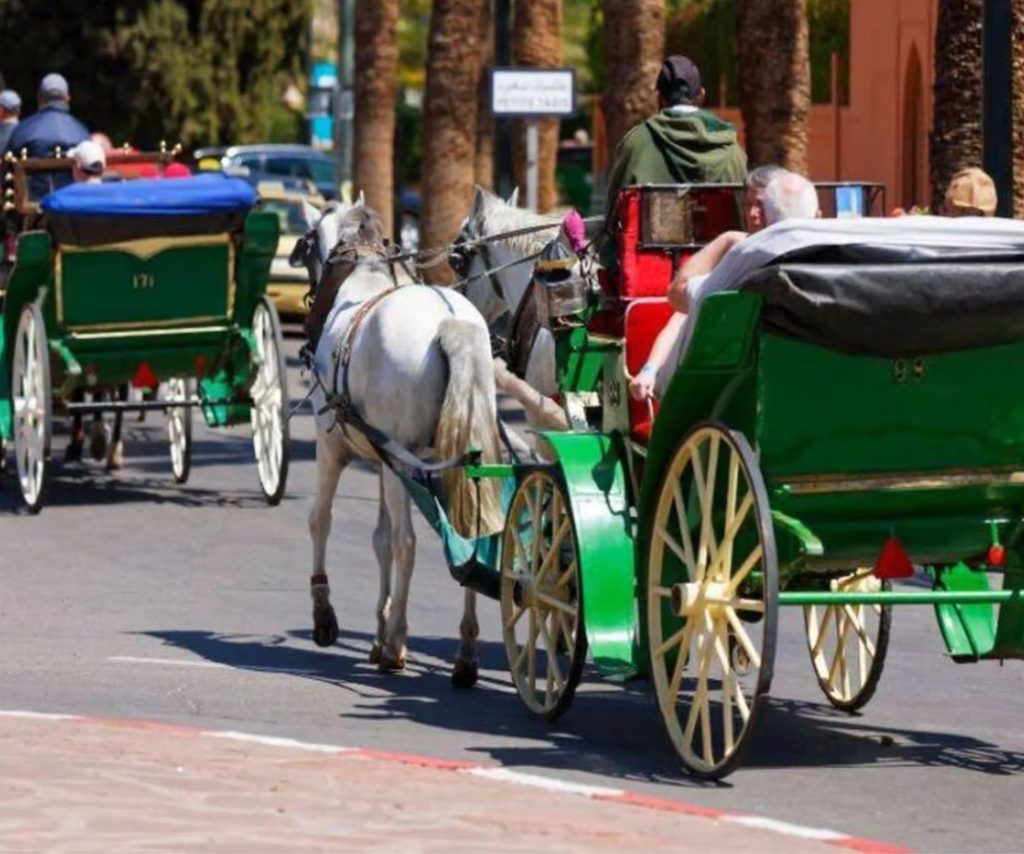
Horse-drawn carriages called calèches offer romantic tours around Marrakech’s main sights. Drivers wait near Jemaa el-Fnaa and major hotels offering routes that cover the city walls, Menara Gardens and modern districts. Negotiate prices and routes before departing.
These rides work well for orientation before deeper exploration on foot. The elevated perspective shows neighborhoods from different angles while the slow pace allows for photography. Evening rides offer cooler temperatures and magical lighting especially around the city walls.
Expect to pay 150-250 dirhams for 45-60 minute tours depending on route and negotiation skills. Some drivers speak multiple languages and provide informal commentary. The experience connects visitors to traditional transportation still used by locals for special occasions.
Planning Your days
Marrakech rewards slow exploration over rushed sightseeing. The city reveals layers of history and culture through wandering and spontaneous discoveries. Hit major sights like Jemaa el-Fnaa and Majorelle Garden but leave time for getting lost in souk alleys and following curiosity.
Three days allows comfortable coverage of main attractions with time for rest and relaxation. The intensity can be overwhelming so balance medina exploration with peaceful garden visits and modern district strolls. Evening brings cooler temperatures and magical lighting perfect for final explorations.
Now that you know what to see you’ll want to know where to eat all the incredible Moroccan food. My restaurant and food guide covers everything from street food basics to upscale dining so you can taste your way through Marrakech like a local.