
I used to think “sea air” was just a phrase realtors used to sell coastal condos in Malibu.
But in Essaouira, the ocean doesn’t just border your life it breathes with you. From the moment I arrived, I noticed it: a lightness in my chest, a clearing in my thoughts, a sense that my nervous system had finally found a rhythm it didn’t have to fight. Back home in California, I chased calm with supplements, sound baths, and ninety-dollar yoga classes. Here, it came for free with salt on my lips and wind in my hair.
Locals don’t call it “wellness.” They don’t need to. They simply live by the tide, bathe in seawater year-round, dry their clothes in the Atlantic breeze, and speak of the ocean not as a view, but as a companion. And over time, I began to understand: what the West packages as “thalassotherapy” has been Essaouira’s daily medicine for centuries not as a spa trend, but as a way of being.
The Atlantic as Healer: More Than a Backdrop
In wellness tourism, the ocean is often reduced to a luxury amenity a blue vista from your infinity pool, a photo op at sunset. But in Essaouira, the Atlantic is active, alive, and deeply relational. Fishermen don’t just sail on it; they read its moods like a close friend. Children don’t just play near it; they learn to swim in its currents before they can write their names. And elders don’t just sit by it; they whisper to it, as if it remembers their stories.
This relationship isn’t poetic it’s practical. The cold, mineral-rich waters off Morocco’s west coast are unusually high in iodine, magnesium, and potassium elements that support thyroid function, reduce inflammation, and calm the nervous system. But no one in Essaouira talks about “iodine levels.” They just say, “The sea washes more than your skin. It washes your worries.”
My host, Leila, put it simply on my third morning: “Go in. The cold wakes up your blood.” I hesitated. It was February, and the water looked like liquid steel. But I walked in past the shock, past the gaspand floated on my back. Within minutes, my mind went quiet. Not because I “meditated,” but because the cold demanded my full attention. My body dropped its guard. And for the first time in years, I wasn’t thinking about the future or replaying the past. I was just there.
Thalassotherapy as Daily Ritual Not a Treatment
True thalassotherapy in Essaouira isn’t something you book. It’s something you do like fetching water or buying bread.
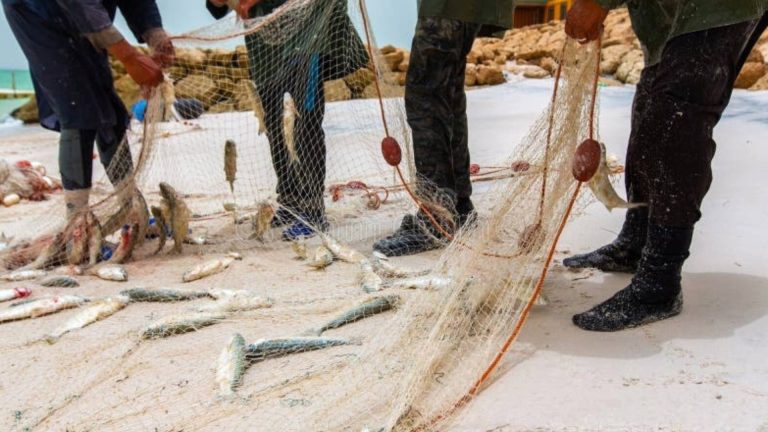
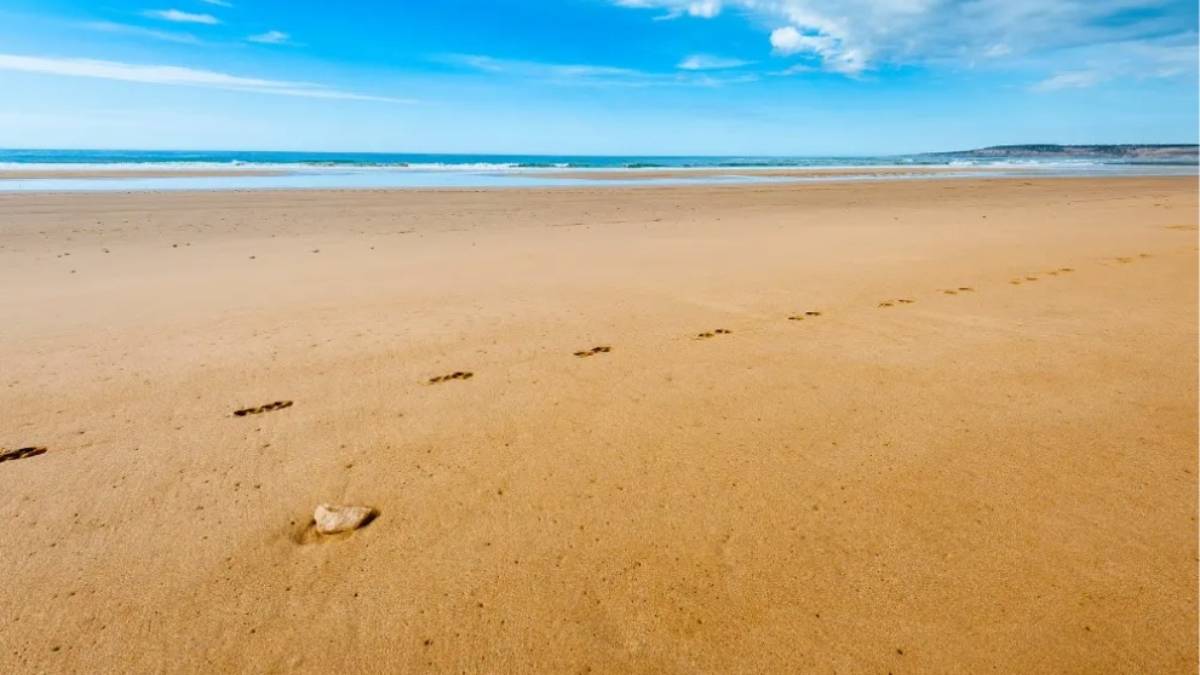
Women gather seaweed at low tide near Diabat, not for “detox wraps,” but because their grandmothers taught them it soothes joint pain. Fishermen rinse their hands in seawater after hauling nets, not for “exfoliation,” but because salt prevents infection. Families walk the long beach south of the port every evening, not for “cardio,” but because the rhythm of the waves calms restless children and tired grandparents alike.
Even the air is part of the cure. Essaouira sits at the meeting point of the Atlantic and the trade winds, creating a constant, gentle flow of negative ions molecules proven to boost serotonin and reduce stress hormones. Scientists measure it. Locals feel it. They open their windows wide, even in winter. “The air here doesn’t just fill your lungs,” Leila told me. “It resets your spirit.”
This is the quiet genius of ocean-based healing here: it’s woven into ordinary life. No appointments. No robes. No premium pricing. Just presence and permission to let the sea do its work.
Seawater as Medicine: The Wisdom of Salt and Cold
In Essaouira, seawater isn’t just for swimming it’s a household remedy.
I watched Leila mix a small cup of filtered seawater with fresh lemon and honey for her niece who’d been feeling sluggish. “It cleans the inside,” she said, handing the girl the glass without ceremony. At first, I was skeptical drinking seawater? But I learned that when diluted (usually one part seawater to three parts fresh water), it becomes a natural electrolyte tonic, rich in trace minerals that support digestion, hydration, and cellular function.
Older generations here have long used seawater for cuts, colds, and fatigue. Fishermen gargle with it to soothe sore throats after hours of shouting over wind and waves. Mothers bathe infants in slightly warmed seawater to strengthen their skin’s resilience. There’s no clinical trial behind it just centuries of observation and trust.
And then there’s the cold. Essaouirans swim year-round, even in January, when the Atlantic hovers around sixteen degrees Celsius (sixty degrees Fahrenheit). “The cold doesn’t harm you,” Yusef told me one morning as we walked toward the beach. “It reminds you you’re alive.” Modern science now confirms what intuition has long known: cold water immersion reduces inflammation, boosts circulation, and triggers the release of endorphins and dopamine. But here, no one calls it “biohacking.” They just call it Tuesday.
From Seaweed to Skin: Earth Meets Ocean
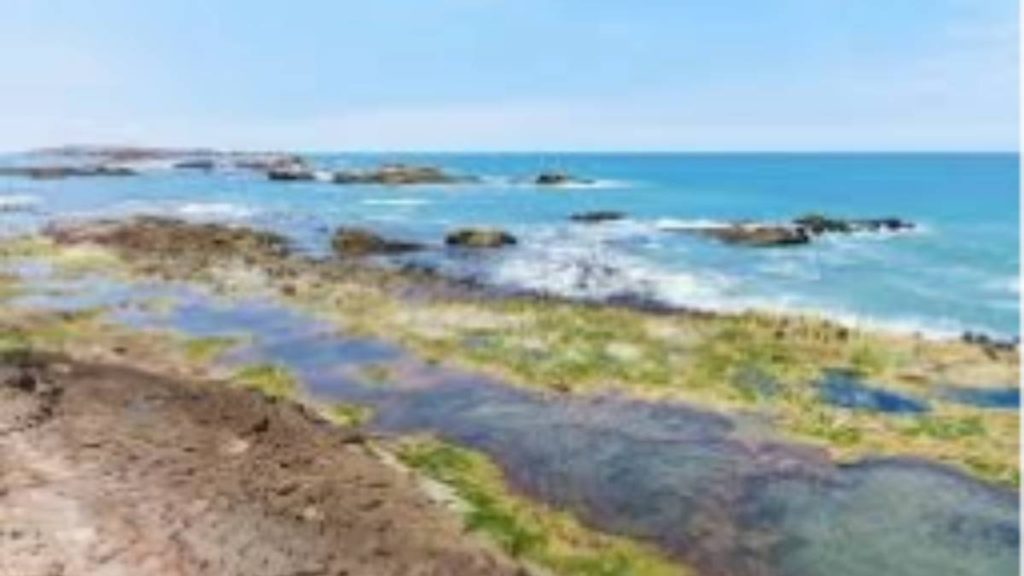
One afternoon, Leila took me to a quiet cove near Diabat, where women from the village gather wild seaweed after low tide. They don’t harvest it for export or spa products. They bring it home, rinse it in fresh water, and blend it with argan oil and a pinch of sea salt to make a paste for sore muscles or dry skin.
“This isn’t a mask,” Fatima, one of the women, told me, rubbing a bit into my forearm. “It’s a conversation between the ocean and your body.” The seaweed rich in alginates, fucoidan, and marine polyphenols draws out impurities while delivering minerals deep into the skin. But again, locals don’t speak in biochemical terms. They speak in results: “My joints don’t ache as much in winter,” or “My skin doesn’t crack in the wind.”
This synergy between land and sea is central to Essaouira’s healing ecology. Argan oil nourishes from within and without; seaweed purifies; ocean air clears the mind; cold water resets the nervous system. Together, they form a holistic practice that needs no rebranding only continuity.
If you’ve sensed how deeply wellness is rooted in place here if you’ve felt the way the Atlantic’s breath, the medina’s silence, and the rhythm of the tide all seem to whisper the same truth then Wellness and Cultural Travel in Essaouira: The Ocean, The Body, and The Quiet Mind reveals the full tapestry of this gentle, enduring approach to living well.
Beyond the Spa: Honoring What’s Already Holy
Today, luxury resorts in Essaouira offer “Moroccan thalassotherapy packages” one hundred eighty dollars for a seaweed wrap, salt scrub, and ocean-view massage. And while these services may use local ingredients, they often remove them from their context. The ritual becomes a product. The relationship becomes a transaction.
But the real healing doesn’t happen in a treatment room with soft music and chilled towels. It happens on the beach at dawn, when an elder wades in alone, closes his eyes, and lets the waves hold him. It happens in a courtyard where a mother mixes seawater with mint for her child’s fever. It happens in the daily choice to walk barefoot on wet sand, not for “grounding,” but because it feels like coming home.
The danger of wellness tourism isn’t just commodification it’s amnesia. When we extract practices from their cultural roots and repackage them as self-care hacks, we forget that their power comes from belonging: to a place, to a community, to a rhythm larger than the self.
How to Receive Not Just Consume Ocean Medicine
If you come to Essaouira seeking ocean-based healing, ask yourself: Am I here to take or to receive?
Taking looks like booking a “detox seaweed bath” without knowing where the seaweed came from.
Receiving looks like walking the shore at low tide, asking a local how to identify safe seaweed, and listening when they say, “Only take what you need.”
Taking asks, “How can this fix me?”
Receiving asks, “How can I align with what’s already whole?”
You don’t need a therapist to guide you into the sea here. You just need humility and a willingness to stand at the water’s edge without an agenda. Let the wind blow through your coat. Let the salt sting your lips. Let your feet sink into the cold sand. And when you finally step into the water, don’t think of it as a therapy session. Think of it as a conversation one your body has been waiting to have for a very long time.
The Gift of Marine Simplicity
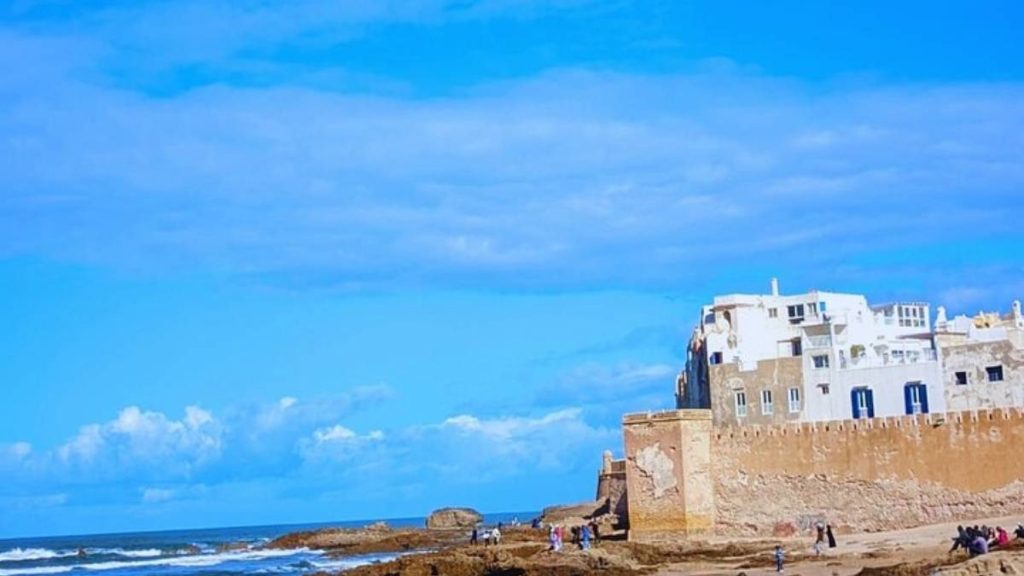
Leaving Essaouira, I didn’t bring back vials of seawater or jars of dried kelp.
I didn’t need to. Because what the ocean gave me wasn’t a product it was a perspective.
Now, back in California, when stress tightens my jaw or my thoughts spiral, I don’t reach for a supplement or a meditation app. I drive to the coast. I walk to the water’s edge. I close my eyes and breathe deeply not to “optimize” my nervous system, but to remember that I’m part of something vast, ancient, and kind. The salt still stings. The wind still bites. And in that raw, unfiltered contact, I find the same quiet I discovered in Essaouira: not because the ocean changed, but because I finally stopped fighting it.
That’s the deepest lesson of ocean-based healing here: wellness isn’t about control. It’s about surrender. It’s about letting the tide pull you where you need to go, even if it’s just a few steps into the cold, clear water and trusting that your body already knows how to heal, if only you give it the space, the salt, and the silence.
Carrying the Sea Inward Without Taking It Home
I no longer romanticize the ocean as escape.
I see it as a mirror.
In Essaouira, the sea doesn’t promise transformation. It reflects truth. When you stand before it, you can’t hide your haste, your noise, your need to perform. It simply waits steady, patient, unimpressed by your résumé or your wellness routine. And in that presence, you remember: you don’t have to earn rest. You don’t have to earn peace. You just have to show up, as you are, and let the waves meet you.
This is thalassotherapy not as treatment, but as return. Not as luxury, but as lineage. Not as something you do to yourself, but something you allow yourself to receive from the Atlantic, from the ancestors, from the quiet wisdom of a city that never needed a spa to know how to heal.
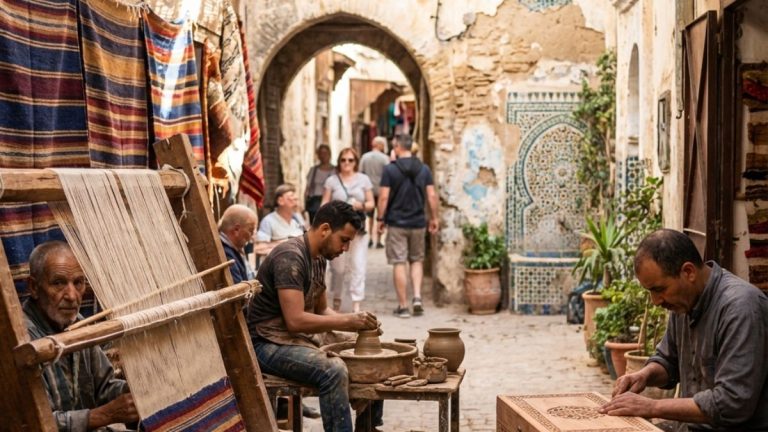
If this call of salt and stillness resonates with you if you sense that true presence might begin not with changing your mind, but with walking slowly through a world alive with color, craft, and care then Mindful Medina Walks: Crafts, Colors, and Inner Presence will guide you through Essaouira’s labyrinthine alleys, where every doorway, hammer strike, and painted tile offers a chance to come back to yourself, one quiet step at a time.